



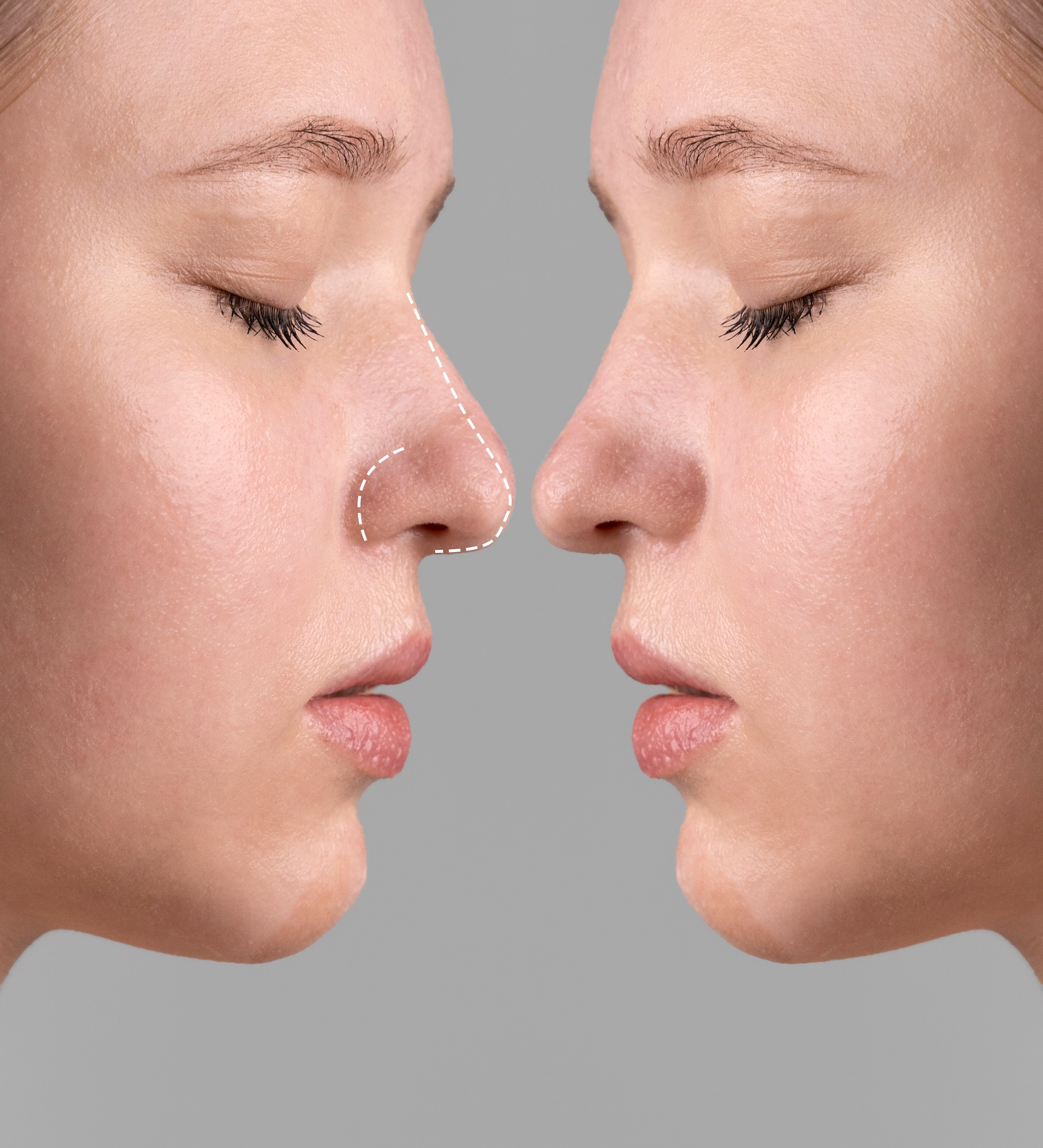




Rhinoplasty is a surgical procedure often performed to enhance the shape of the nose and make it more harmonious with the face. However, for many people, rhinoplasty is not just a cosmetic intervention — it is also an operation that can improve breathing functions.
So, can rhinoplasty really help with breathing? The answer to this question depends on the type of operation, the patient’s nasal structure, and the surgeon’s approach. In this article, we will explore the aesthetic and functional effects of rhinoplasty in detail.

Rhinoplasty and Its Functional Benefits
The nose is not only an important aesthetic feature of the face — it is also a vital part of our respiratory system. During a rhinoplasty procedure, while improving the external appearance of the nose, functional issues affecting breathing can also be addressed if present.
Situations where rhinoplasty can help improve breathing include:
-
Deviated Septum (Septal Deviation): A crooked nasal septum can block the airways and make breathing difficult. Rhinoplasty can correct this deviation and provide healthier airflow.
-
Turbinate Hypertrophy (Enlarged Nasal Turbinates): The turbinates inside the nose regulate airflow. In some individuals, they can become enlarged and obstruct breathing. Surgical reduction of the turbinates can help open the airway.
-
Nasal Valve Collapse: Weak or narrow nasal valves can restrict airflow. Supportive surgical techniques during rhinoplasty can widen the nasal valves and improve breathing.
-
Trauma or Congenital Nasal Issues: Accidents or congenital deformities can affect the structure of the nose. Rhinoplasty can restore both the appearance and function of the nose in such cases.
Differences Between Aesthetic and Functional Rhinoplasty
Nasal surgeries are generally performed for two main purposes: aesthetic and functional.
-
Aesthetic Rhinoplasty aims to improve the external appearance of the nose, focusing on the shape, size, and symmetry to create a nose that better complements the face.
-
Functional Rhinoplasty is performed to correct breathing problems. It involves modifying the internal structures of the nose to open the airways. This is suitable for patients experiencing issues like septal deviation, turbinate hypertrophy, or nasal valve collapse.
Some patients may require a combination of both. In such cases, both the appearance and functionality of the nose are addressed, allowing patients to breathe better while achieving a more aesthetically pleasing look.

How Does Rhinoplasty Affect Breathing?
After rhinoplasty, patients often experience swelling and congestion in the nose for the first few weeks. However, once the healing process is complete, those who had functional corrections usually notice significant improvements in their breathing.
The positive effects on breathing may include:
-
Widened nasal airways for easier airflow
-
Reduced snoring and sleep apnea symptoms
-
Improved breathing during physical activities
-
Decreased need for mouth breathing, which helps reduce dry mouth and throat infections
Post-Operative Care for Better Breathing
To fully restore breathing function after surgery, attention should be given to the following:
-
Swelling and Edema: Initial swelling may make breathing difficult. Using doctor-recommended nasal sprays and saline solutions can help ease this process.
-
Avoid Smoking and Alcohol: These can negatively impact the healing process and should be avoided after surgery.
-
Sleeping Position: For the first few weeks, sleeping on your back with your head elevated can help reduce nasal swelling.
-
Avoiding Trauma: Full recovery may take several months, so it’s important to avoid any trauma to the nose during this time.

A Nose That Looks Good and Breathes Well Is Possible!
Rhinoplasty is not only a procedure to enhance facial aesthetics — it can also be a surgical intervention to improve breathing. When performed by an experienced surgeon, this operation can provide both aesthetic and functional benefits, offering patients a more beautiful nose and a healthier breathing experience.
If you are unhappy with the shape of your nose and also have difficulty breathing, consider consulting a specialist to explore the most suitable rhinoplasty option for you.