

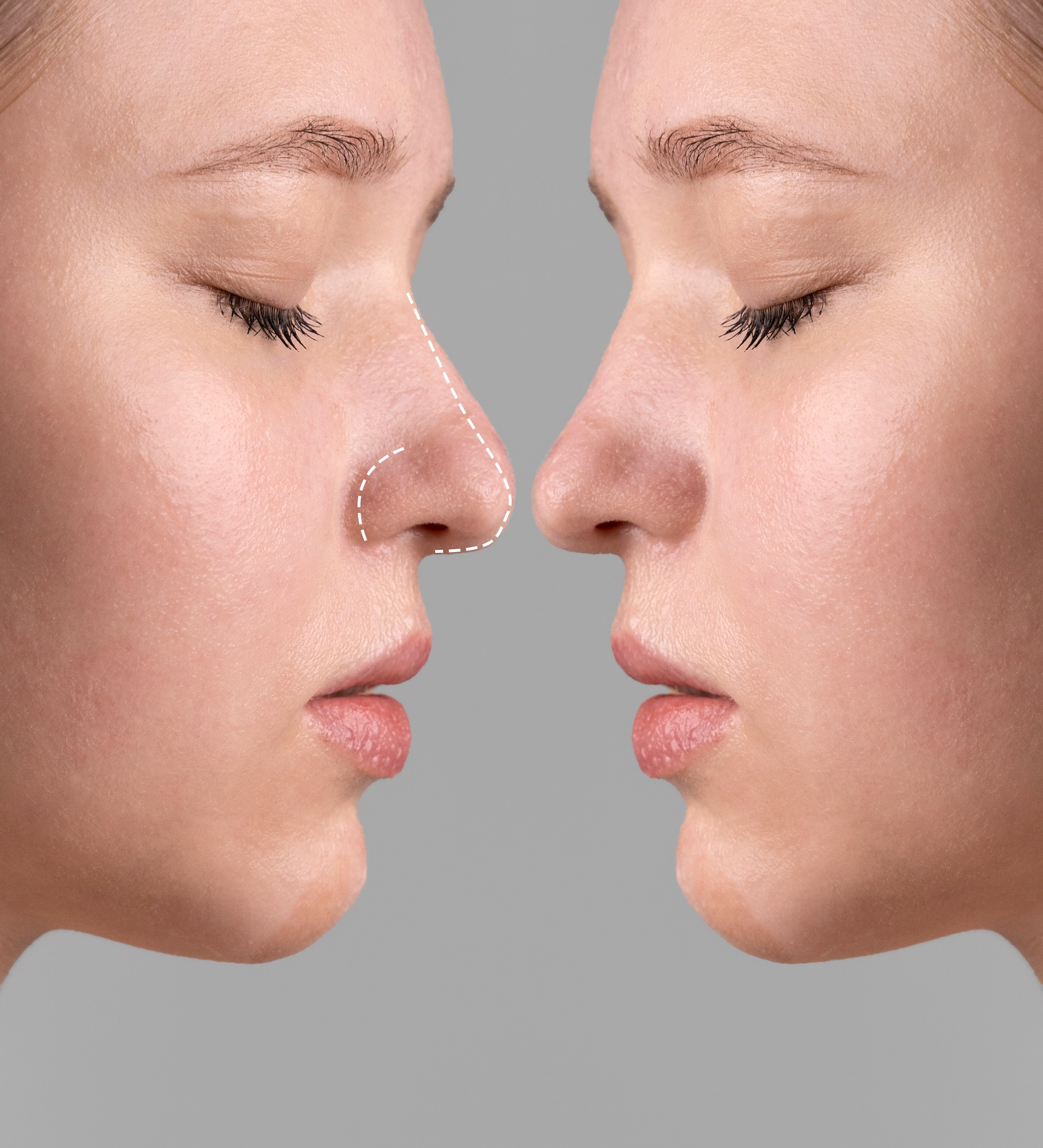






Chin Tip Aesthetics
Ideal Chin, Perfect Image: Renew Yourself with Chin Tip Aesthetics!
WHAT IS MENTOPLASTY?
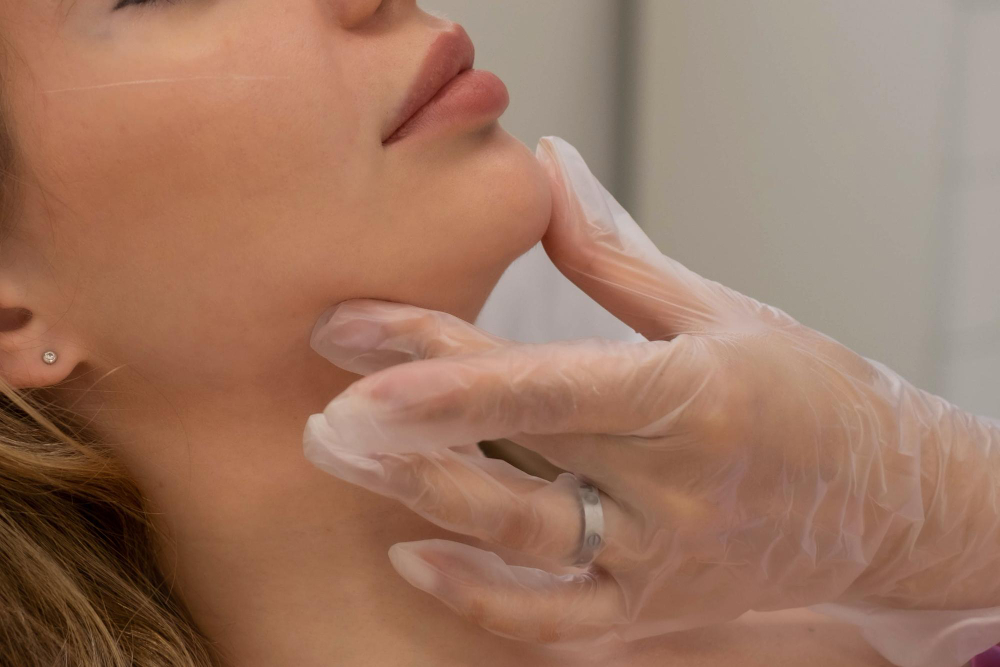
Chin tip aesthetics is a surgical procedure performed to correct aesthetic irregularities in the chin area. The primary goal is to make the chin more prominent and harmonious with the face. This procedure is not only for aesthetic enhancement but also for improving the functionality of the chin. A more defined chin contributes to a more balanced and proportional facial structure.
This aesthetic intervention can be performed by modifying the chin bone to change its size or by adding volume to the chin tip through fillers, implants, or surgical procedures.
TO WHOM CAN IT BE PERFORMED?
Chin tip aesthetics is a procedure suitable for both men and women. It is ideal for individuals with chin structure issues due to genetic factors or trauma. Below are some common candidate profiles for this procedure:
Individuals with Genetic Chin Irregularities:
- A chin that is too recessed or too prominent
- A chin structure that is not in harmony with facial features
Individuals with Trauma-Related Chin Deformities:
- Deformities caused by fractures, displacement, or damage to the chin
- Congenital chin deformities
Individuals Experiencing Age-Related Chin Changes:
- Deformation of the chin structure with aging (e.g., sagging chin tip or loss of jawline definition)
Individuals with Facial Asymmetry:
- A chin that does not align with the rest of the facial features, such as an overly large forehead or a narrow chin
This procedure is also an excellent option for individuals looking to enhance their overall facial structure in combination with chin aesthetics.

BEFORE MENTOPLASTY SURGERY
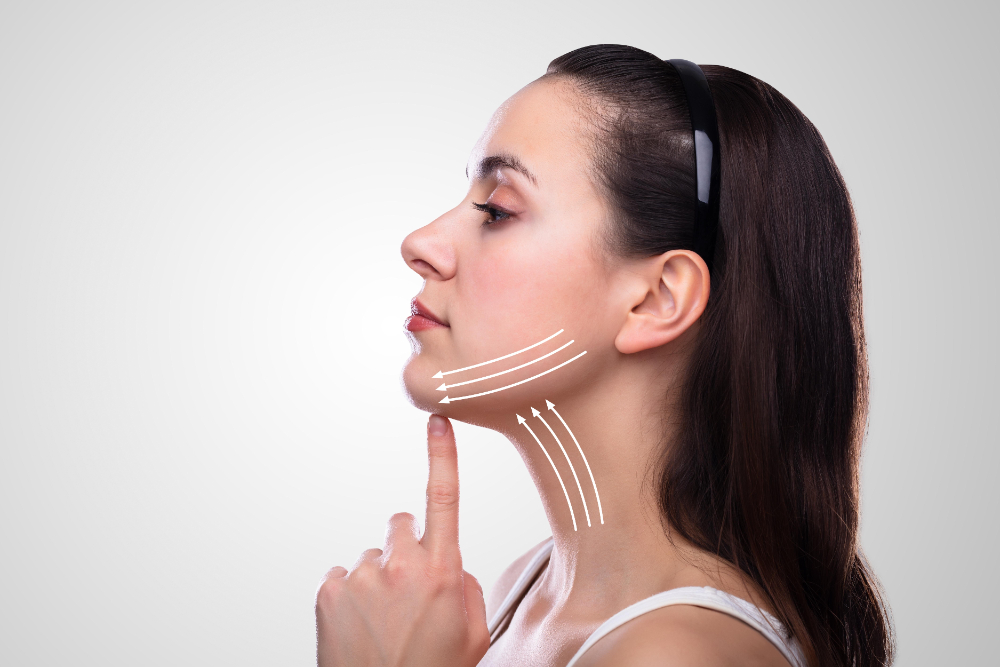
Several essential preparation steps must be taken before undergoing chin tip aesthetics. These are crucial for a successful procedure and a smooth recovery.
Medical Evaluation:
- The surgeon will assess the patient’s overall health status before the operation. Any conditions such as high blood pressure, diabetes, or allergies should be discussed with the doctor in advance.
- A detailed examination of the face and chin structure will be conducted, and if necessary, X-rays or MRI scans may be requested.
Discontinuing Smoking and Alcohol Consumption:
- Smoking and alcohol consumption can negatively affect the healing process. It is recommended to stop these habits at least two weeks before the surgery.
Medication and Diet Adjustments:
- Blood-thinning medications (such as aspirin) should be discontinued under a doctor’s supervision before surgery.
- Patients should arrive at the hospital on an empty stomach on the day of the surgery to ensure safe anesthesia administration.
Psychological Preparation:
- Patients should have realistic expectations regarding the outcome. While chin tip aesthetics significantly enhances both aesthetic and functional aspects, perfection is not guaranteed. Having a clear and reasonable understanding of potential results is essential.

MENTOPLASTY SURGERY
Chin tip aesthetics is a surgical procedure usually performed under local anesthesia. During the operation, the shape of the chin tip is modified, volume is added, or adjustments are made to achieve a more harmonious facial appearance.
Methods:
- Bone Surgery: The chin bone is surgically reshaped, and if necessary, moved forward or backward. The incision is usually made inside the mouth, leaving no visible scars on the skin.
- Implant Placement: Silicone or similar materials are implanted into the chin tip to achieve a more defined and permanent result. This method is ideal for those looking for a long-term enhancement.
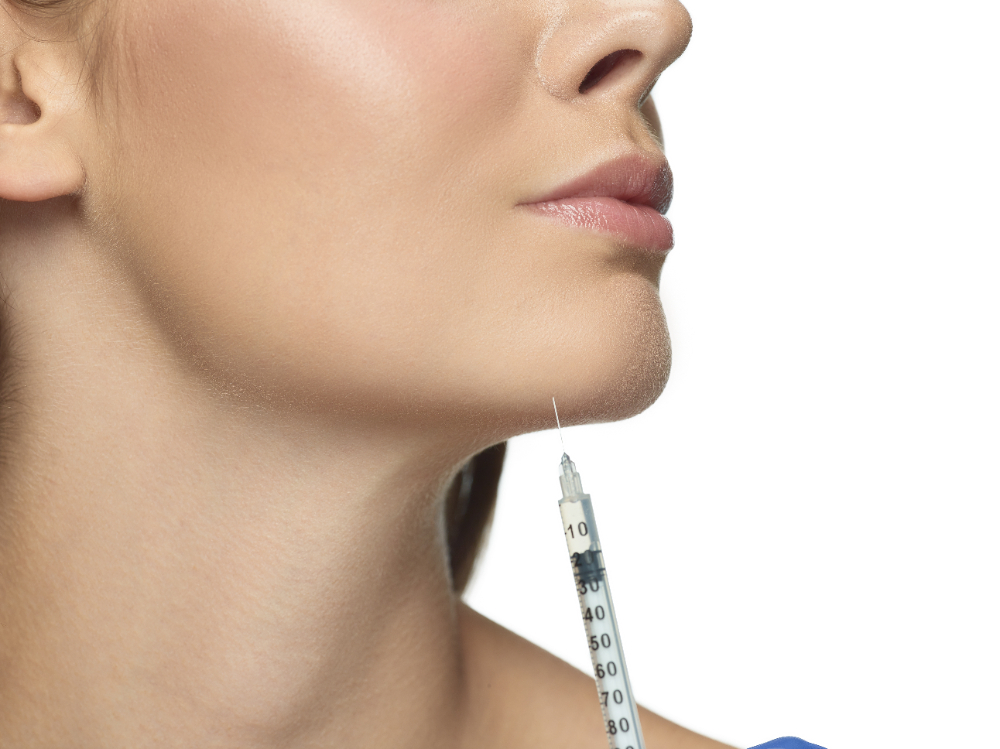
- Filler Application: Hyaluronic acid or similar fillers are used to add volume to the chin tip. This non-surgical method provides a temporary but quick solution.
Duration:
- The surgical procedure takes approximately 1-2 hours. If only filler application is performed, the process is significantly shorter.
AFTER SURGERY
The recovery period after chin tip aesthetics is generally quick, but following certain guidelines is essential for optimal healing.
First 48 Hours:
- Swelling and bruising may occur. Applying cold compresses can help reduce swelling.
- Painkillers prescribed by the doctor can be used, and antibiotics or other medications should be taken as directed.
First 2 Weeks:
- Sensitivity in the facial area may persist, but most patients can return to their daily activities within this period.
- Direct pressure on the chin should be avoided, especially while eating.
- Stitches are usually removed within one week.
Complete Recovery:
- The final shape of the chin and complete tissue healing may take 3 to 6 months.
- Patients should attend regular follow-up appointments to monitor the healing process.
By following these guidelines, patients can achieve a well-defined and aesthetically balanced chin while ensuring a smooth recovery process.