





Breast Augmentation
Shape, Balance, Elegance: Discover Yourself with Breast Augmentation!

WHAT IS BREAST AUGMENTATION?
Breast augmentation is a surgical procedure performed to increase breast volume and improve aesthetic appearance using silicone implants or certain filler materials. Alternatively, fat injection techniques can also be used. However, the most preferred and long-lasting method worldwide is breast augmentation with silicone implants.
Breast augmentation surgery is not only performed for aesthetic concerns but also for patients who have lost breast volume due to childbirth, breastfeeding, weight loss, or aging. Additionally, it is commonly used for reconstructive purposes in patients who have experienced breast loss due to cancer or trauma.
Who is a Candidate for Breast Augmentation Surgery?
Breast augmentation is suitable for individuals who are dissatisfied with their breast size or shape or have a medical need for the procedure. The surgery is recommended in the following cases:
- Individuals with genetically small or asymmetrical breasts
- Women who have lost breast volume after childbirth and breastfeeding
- Those who have experienced breast volume loss due to weight loss
- Individuals experiencing sagging and volume loss due to aging
- Patients who have lost a breast due to cancer or trauma (for reconstruction purposes)
Ideal candidates for breast augmentation are individuals in good general health, non-smokers (or those willing to quit before surgery), and with realistic expectations. Additionally, candidates must be at least 18 years old and have fully developed body structure.

Preoperative Process for Breast Augmentation Surgery
Preparation Before Surgery:
- The patient’s expectations are thoroughly evaluated by the surgeon, and the most suitable implant is selected.
- Imaging techniques such as breast ultrasound or mammography may be required.
- Smoking and blood-thinning medications should be stopped at least two weeks before surgery.
- The patient should inform the doctor about any regularly used medications.
Breast Augmentation Surgery
- The procedure is performed under general anesthesia and lasts approximately 1.5 – 2 hours.
- Incisions are made in the breast crease, around the areola, or in the armpit to insert the implants.
- Drains may be placed to accelerate the healing process and reduce swelling.
Postoperative Process
- Patients may stay in the hospital for one day and be discharged the next day.
- A feeling of fullness and pressure is normal in the first few days and usually subsides within 3-4 days.
- Heavy lifting and extensive arm movements should be avoided for the first six weeks.
- The final breast shape usually settles within 6-8 weeks.
SILICONE IMPLANT SELECTION: ANATOMIC AND ROUND IMPLANTS
One of the most critical decisions in breast augmentation surgery is the choice of implant. The shape, volume, and placement of the implant are determined based on the patient’s anatomy and expectations.
1. Selection Based on Implant Shape
Round Implants:
- Enhance upper breast fullness and create a more pronounced cleavage.
- Suitable for patients with natural breast tissue.
- Do not cause shape deformities if they shift.
Anatomic (Teardrop) Implants:
- Provide a natural breast form with a thinner upper part and a fuller lower part.
- Offer a more natural look for patients with minimal breast tissue.
- Require careful placement due to the risk of rotation.
2. Selection Based on Implant Content
Silicone Gel Implants:
- Offer the closest feel to natural breast tissue.
- Have a low risk of gel leakage in case of rupture.
- Can be easily examined using ultrasound and MRI.
Saline (Saltwater) Implants:
- Contain biocompatible saltwater, which the body absorbs if leakage occurs.
- May feel less natural compared to silicone implants.
3. Placement of the Implant: Submuscular or Subglandular
Submuscular (Under the Muscle):
- Provides a more natural look, especially for patients with minimal breast tissue.
- Reduces the risk of visible implant edges.
Subglandular (Above the Muscle):
- Suitable for patients with sufficient breast tissue.
- Has a faster recovery process but may be more visible.
The choice of implant should be made collaboratively between the surgeon and patient, considering the patient’s chest structure, existing breast tissue, and desired aesthetic results.
BREAST AUGMENTATION SURGERY IN TURKEY
Breast augmentation surgery in Turkey is performed under general anesthesia. It takes 2 hours on average. The appropriate incision site is determined according to the patient’s condition and the decision to be made together with the physician. Silicone prostheses can be placed by making an incision in the lower cavity of the breast, the lower line of the nipple or armpit. These incision lines are usually 3-4 cm. Since the incisions are placed within the natural lines of the body, the surgical scar is minimal.
The prosthesis can be placed under the breast tissue or under the pectoral muscle. Although the patient’s wishes are also taken into account in this decision, breast tissue thickness is the main determining factor.
After the incision is made, a pouch is created in the determined plan and the silicone prosthesis is placed in this pouch. Silicone tubes can be placed in the same pocket to drain the blood that may accumulate after surgery. If placed, these silicone tubes are removed the day after surgery.
AFTER BREAST AUGMENTATION SURGERY
The patient is discharged the day after surgery. There may be some feeling of fullness and pressure in the breasts. This condition declines gradually and ends after the days 2-3. In this process, supportive bras or bands can be used to stabilize the prostheses and reduce the feeling of pressure.
The patient can take a bath after the 2nd day and can return to work after 5-7th days. It is necessary to avoid movements that force the arms for 4-6 weeks. The breasts which are relatively hard in the beginning will soften and return to normal in 6-8 weeks.

BREASTFEEDING, MAMMOGRAPHY, AND PREGNANCY WITH SILICONE IMPLANTS
Breastfeeding: Breast implants are placed in a way that does not damage milk glands and ducts, allowing the breastfeeding function to remain intact. Implants placed under the muscle do not put pressure on milk ducts or affect milk production.
Incisions made around the areola (periareolar incisions) have a small risk of damaging milk ducts, but in most cases, they do not prevent breastfeeding. Scientific studies confirm that silicone implants do not mix with breast milk and pose no risk to the baby.
Mammography and Breast Imaging: Silicone implants do not interfere with breast examinations such as mammography, ultrasound, and MRI. However, special mammographic techniques (Eklund method) may be required to visualize breast tissue clearly.
It is essential to inform the radiology technician about breast implants before undergoing mammography. If needed, MRI imaging can be recommended to assess both breast health and implant integrity.
Pregnancy: Silicone implants are safe during pregnancy and do not harm the baby. During pregnancy, hormonal changes may cause breast enlargement, but implants adapt to these changes.
After pregnancy and breastfeeding, breast sagging may occur. In such cases, a breast lift procedure can be performed while preserving the implants to restore breast shape.
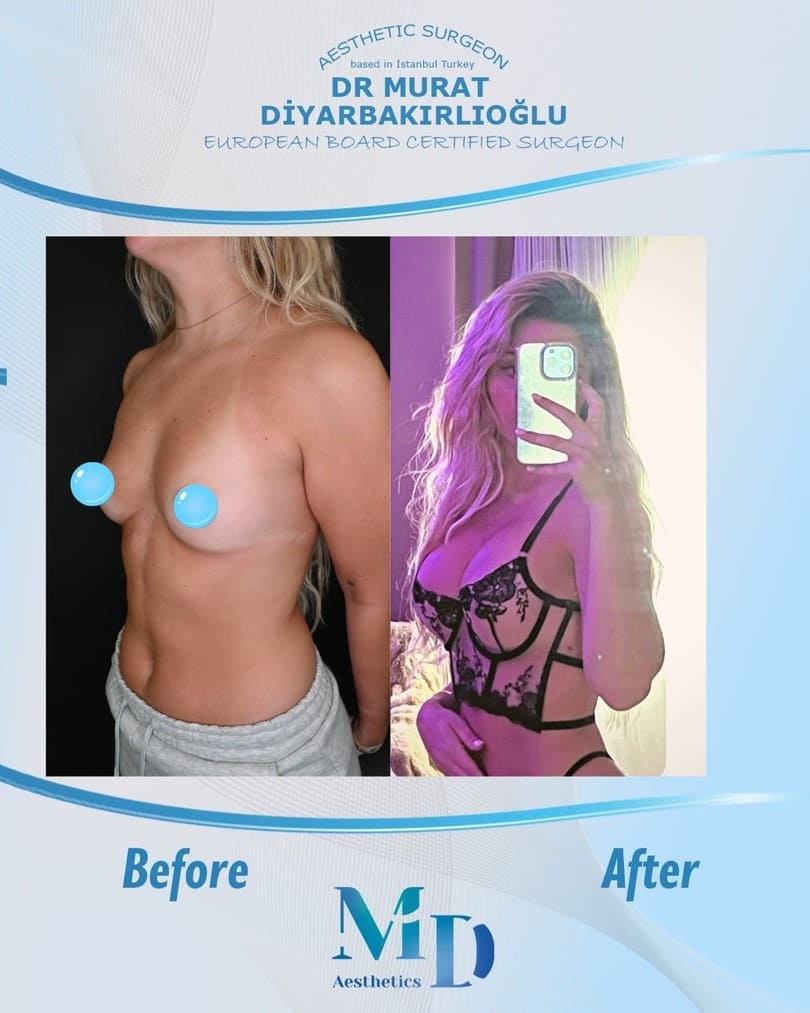
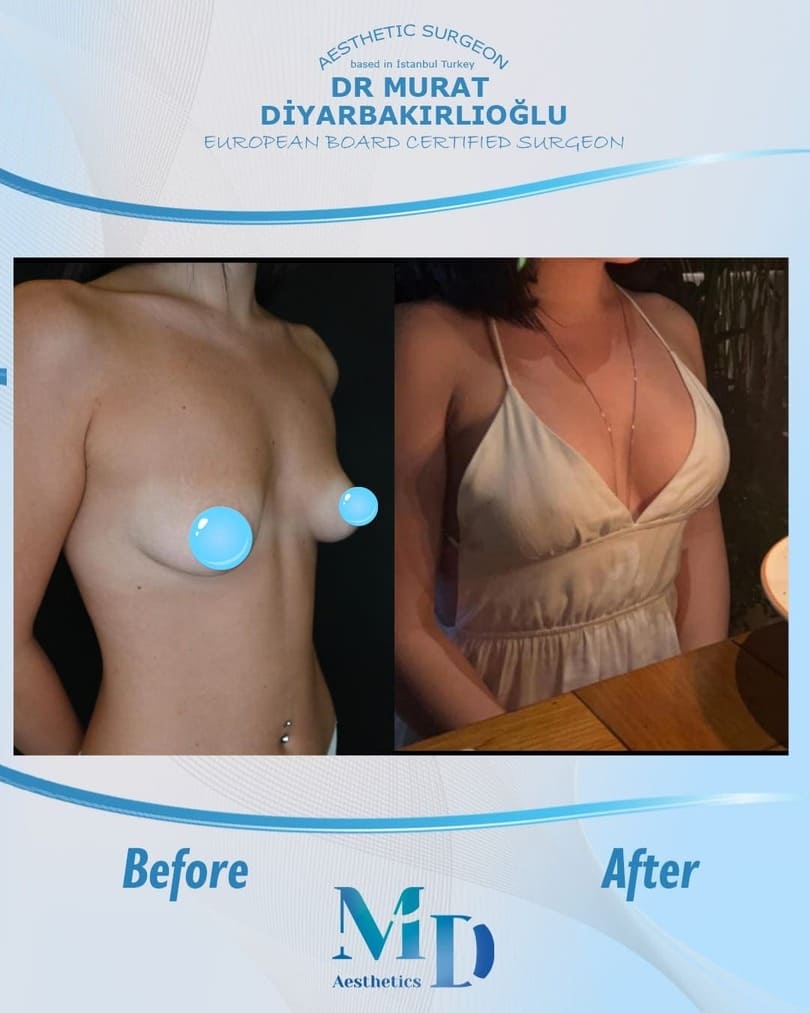
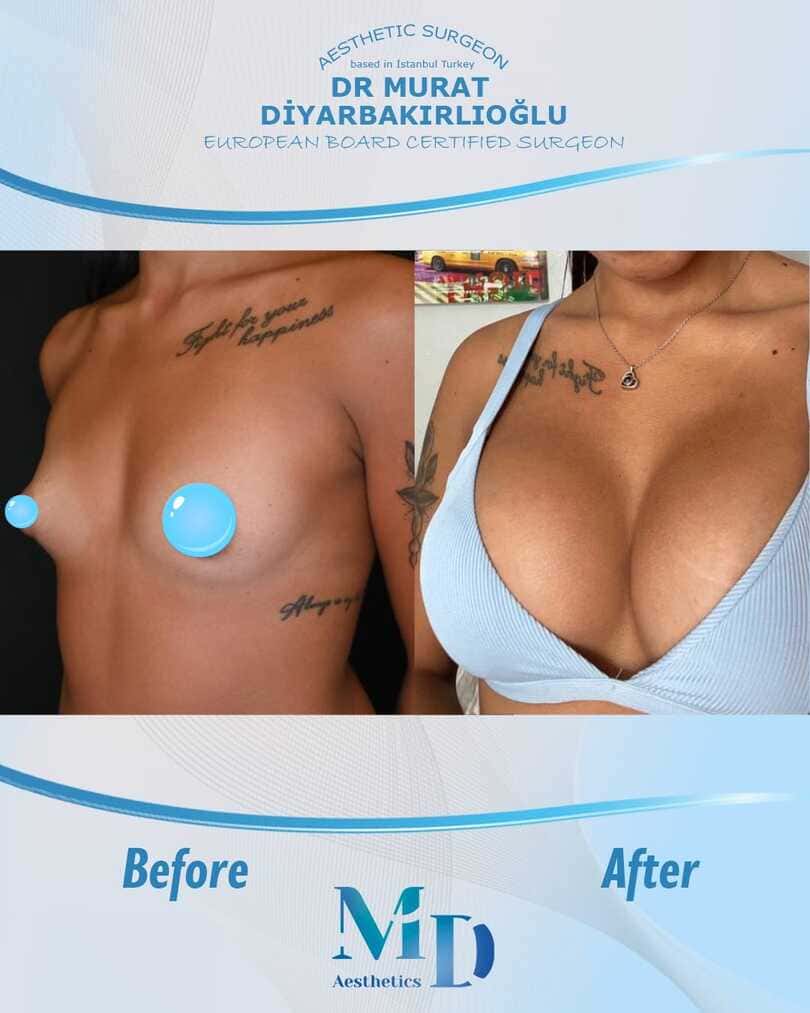
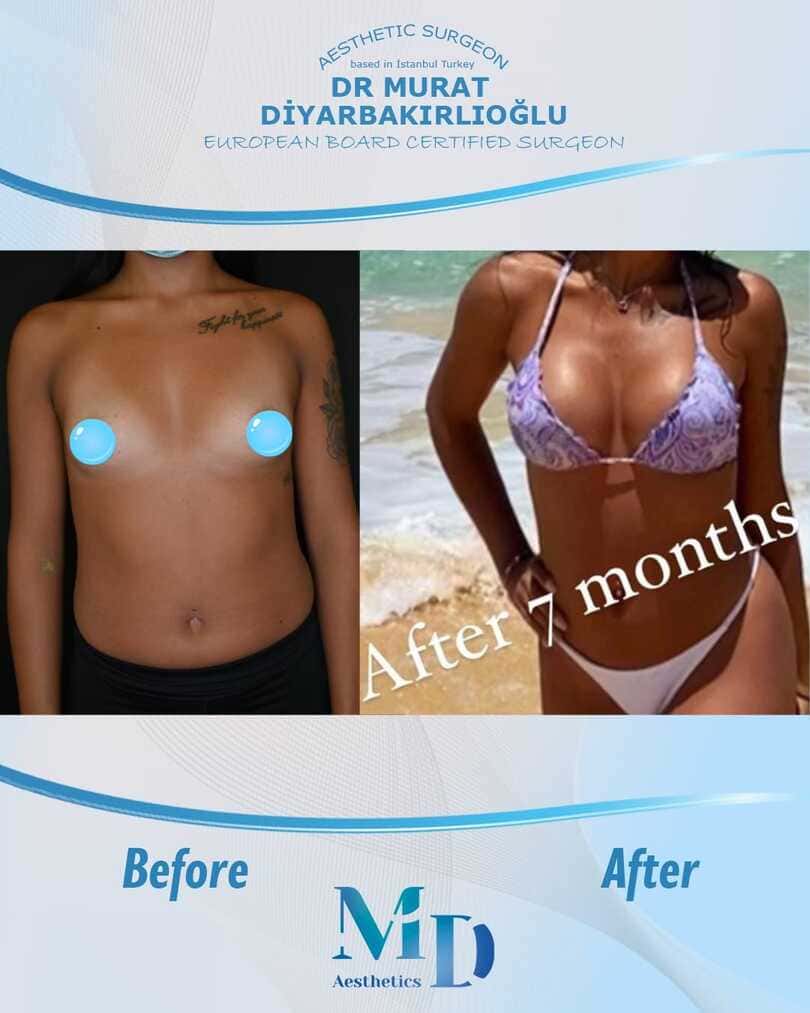
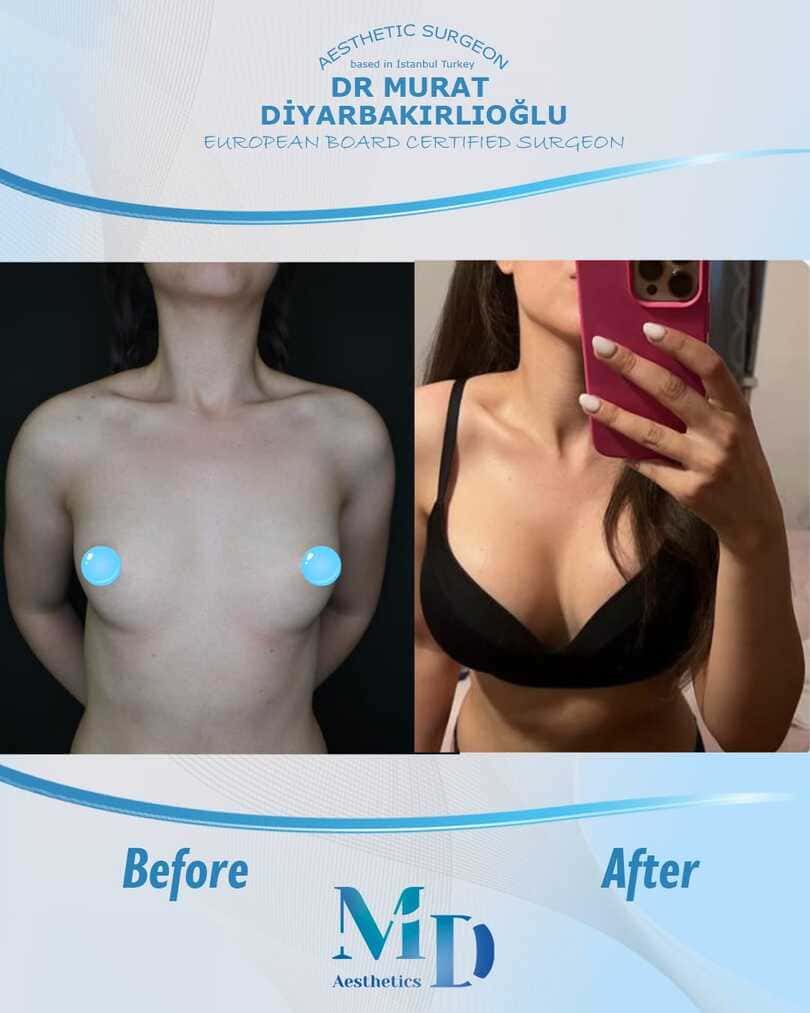
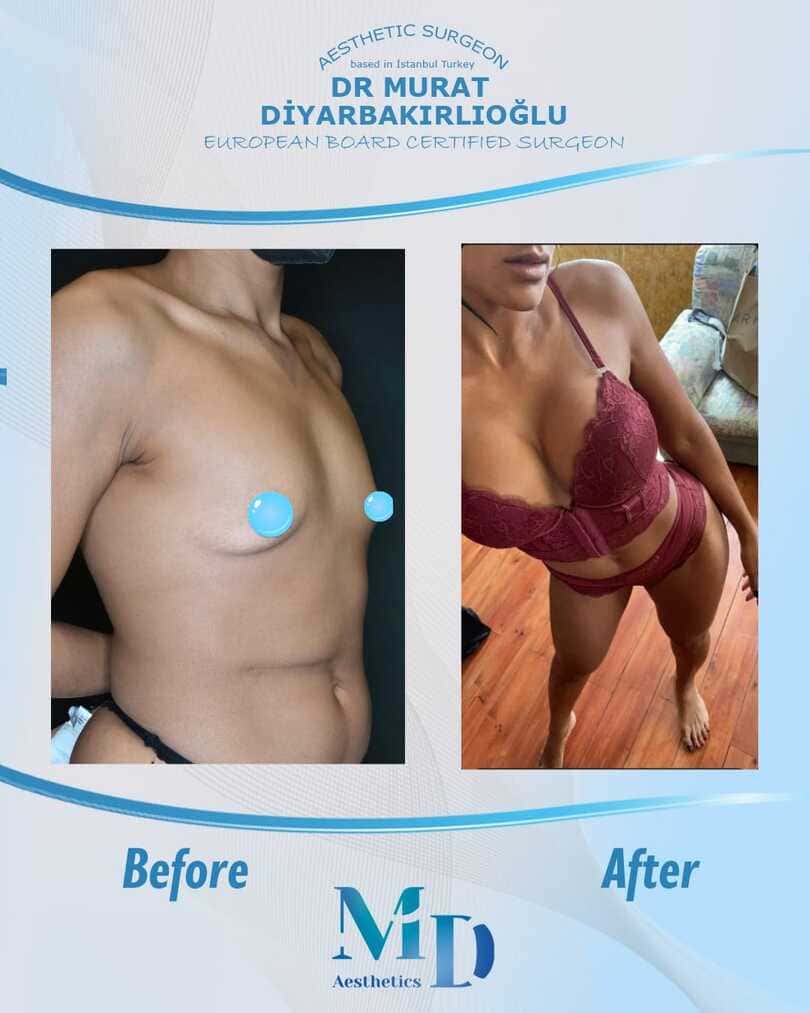
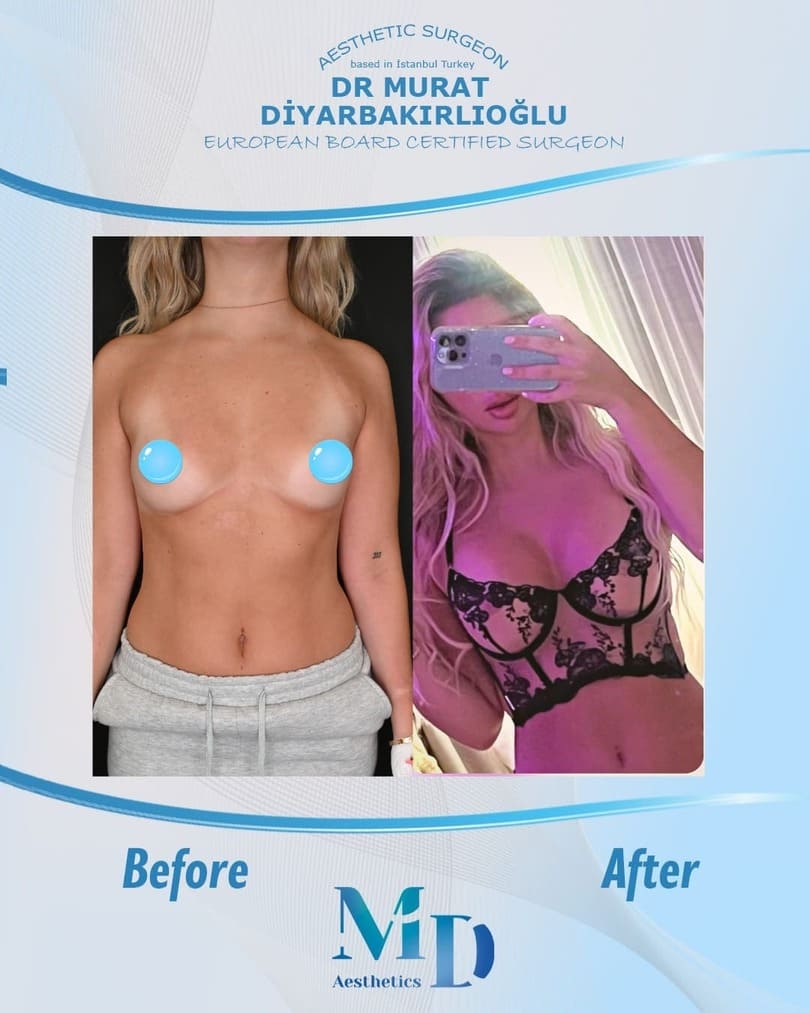
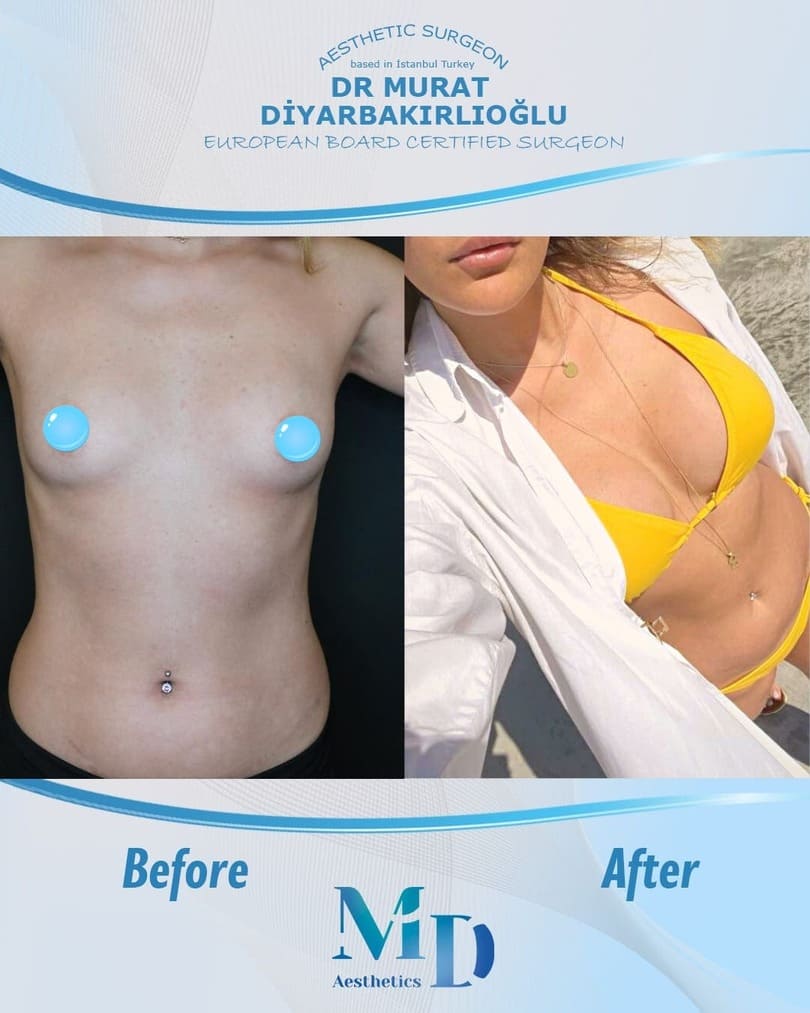
Photo Gallery
You Imagine, Let Innovation Come to Life in Your Body!