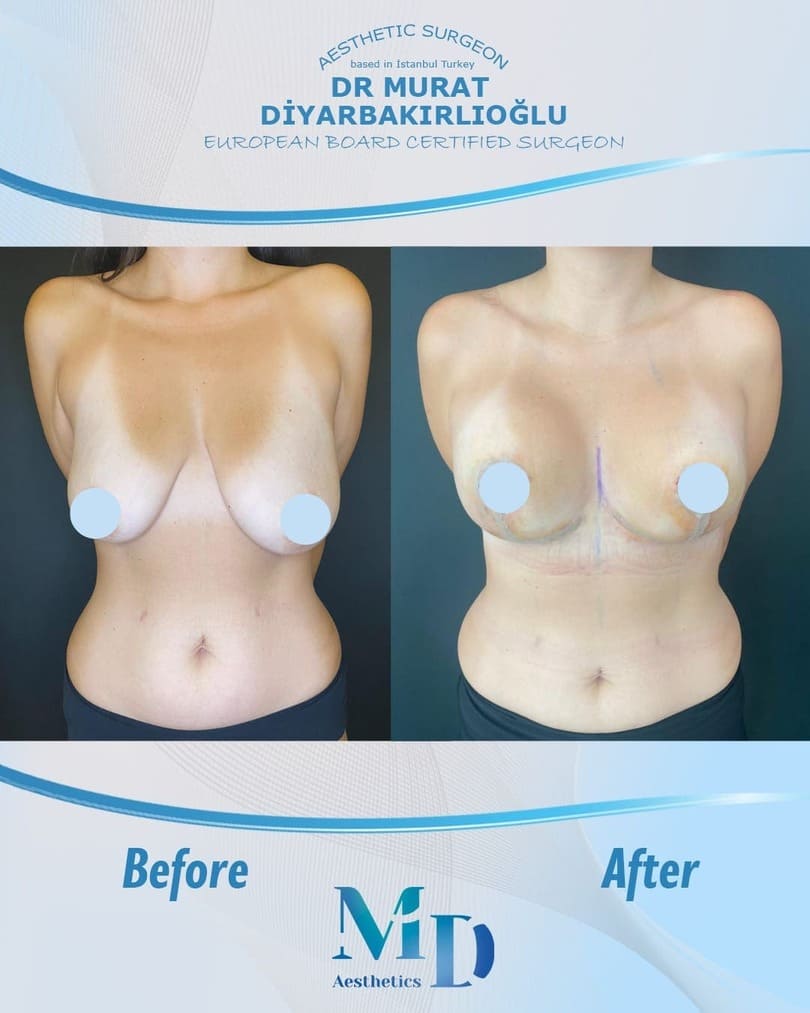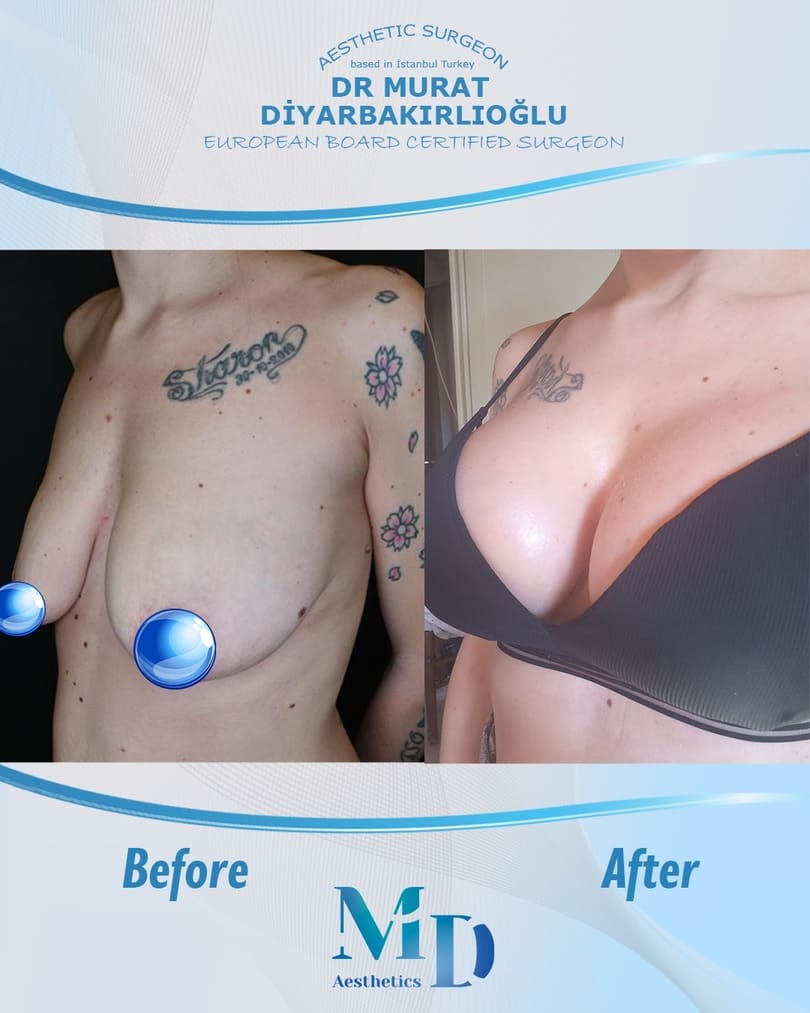







Breast Reduction
Natural Proportions, Reshaped You: Become Free with Breast Reduction!

What Is Breast Reduction Surgery?
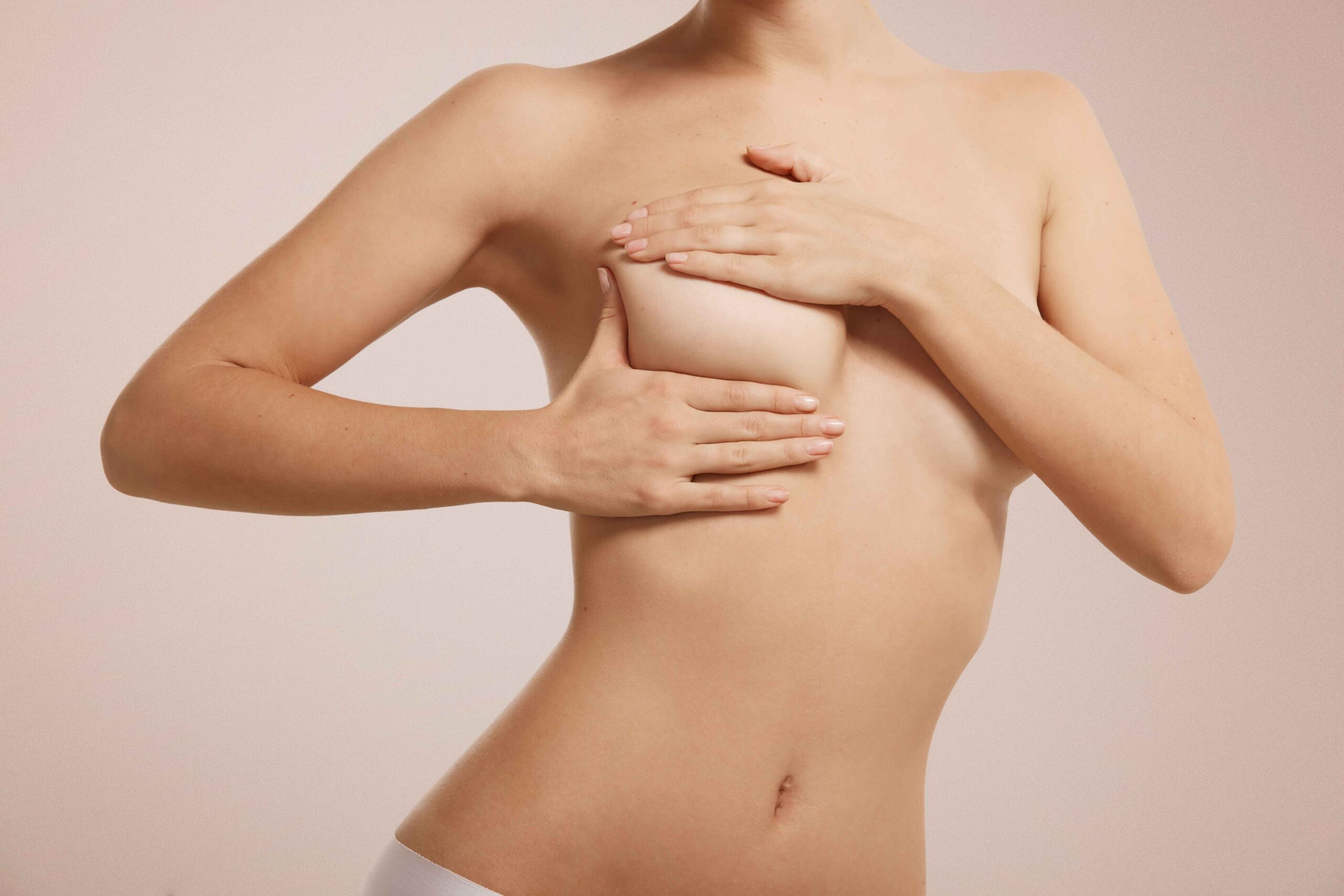
Breast reduction surgery is a procedure aimed at reducing the size of excessively large breasts and lifting them for a more proportionate appearance. Oversized breasts can cause back, neck, and shoulder pain. Bra straps may leave permanent marks on the shoulders, and excessive sweating under the breasts can lead to skin problems. Additionally, large breasts can cause difficulty in clothing choices and a loss of self-confidence. Breast reduction surgery helps eliminate these physical and psychological discomforts, offering both aesthetic and functional benefits.
Health Effects of Large Breasts
Large breasts can cause a variety of health issues in a woman’s daily life. These include:
-
Neck, back, and shoulder pain
-
Postural problems
-
Grooves and marks from bra straps
-
Skin irritation, rashes, and infections under the breasts
-
Difficulty in physical activities
-
Challenges in clothing selection


Who Can Have Breast Reduction Surgery?
-
Individuals over 18: Those who have completed physical development and are unhappy with breast size.
-
People experiencing physical discomfort: Such as back, neck, and shoulder pain.
-
Those dealing with aesthetic and psychological concerns: Like trouble choosing clothes or lack of confidence.
-
People struggling with physical activity: Experiencing pain or discomfort during exercise.
-
Young individuals with juvenile breast hypertrophy: Teenagers negatively affected by abnormally large breasts at a young age.
Before Breast Reduction Surgery
Important preoperative steps include:
-
Evaluating the patient’s overall health
-
Informing the doctor about any medications being used
-
Smokers should quit at least 2 weeks before surgery
-
Blood-thinning medications may need to be stopped
-
Tests like mammography or breast ultrasound may be required
Note: If you smoke, it’s important to quit at least 2 weeks before surgery to avoid affecting the healing process.


Techniques Used in Breast Reduction Surgery
The techniques used in breast reduction vary depending on the size and sagging of the breasts. Common techniques include:
-
Lollipop Technique (Vertical Scar Technique): A circular incision around the areola and a vertical incision down to the breast crease. Suitable for moderately large breasts.
-
Anchor or Inverted-T Technique: Involves an incision around the areola, a vertical incision, and a horizontal incision along the breast crease. Ideal for very large and sagging breasts.
-
Liposuction-only Reduction: Involves only removing fatty tissue. Used for mildly enlarged breasts in patients with good skin elasticity.
AFTER BREAST REDUCTION SURGERY
Patients usually stay in the hospital for 1 day after surgery. The day after the operation, silicone tubes are removed and the patients are discharged. It is recommended to use a supportive sports bra for about 4 weeks. The patient can take a bath after day 2. It is recommended to avoid coercive activities for about 6 weeks. The patient will feel relief and relaxed immediately after surgery. In the first days, there may be swelling and bruising in the breasts, especially on the sides. As these swellings gradually recovered, the breasts gain a more natural and smaller appearance in about 1.5-2 months.
-
Most patients stay in the hospital for 1 day
-
Drains are removed and the patient is discharged
-
A supportive sports bra should be worn for 4 weeks
-
Swelling and bruising subside within a few weeks
-
Full recovery usually takes about 1.5 to 2 months
Bathing is allowed after the second day. Strenuous activities should be avoided for approximately 6 weeks.


FREQUENTLY ASKED QUESTIONS AFTER BREAST REDUCTION SURGERY
Will it affect breastfeeding?
With proper surgical technique, this is rare. However, in cases where a large amount of tissue is removed, some milk ducts may be affected.
Will there be scars?
Yes, breast reduction surgery does leave scars. During the first 2-3 months, the scars appear redder and more noticeable. They begin to fade and soften after 6 months to a year. Although scars never disappear completely, they often become barely noticeable after 1 year.
Can the breasts grow back?
Generally, breasts do not grow back after surgery. However, pregnancy or significant weight gain can cause some enlargement or shape changes.
What is the recovery process like?
While recovery varies per person, rest is typically needed for the first week. Most people can return to daily life within 7–10 days. Heavy exercise should be avoided for 6 weeks. It may take 6 months to 1 year for breasts to settle into their final shape.
Is there pain after surgery?
Mild to moderate pain can be expected in the first few days. These can usually be managed with prescribed painkillers.
When can I return to work?
This depends on the type of job. Office workers can usually return within a week, while those with physically demanding jobs may need more time off.
Photo Gallery
Shape and Comfort Together: Rejuvenate Yourself with Breast Reduction!