



Lipedema
Lipedema is far more than a cosmetic concern; it is a progressive, chronic condition that demands specialized medical expertise. If your legs or arms remain disproportionately enlarged despite strict diets and regular exercise, you are not alone. At MD Aesthetics, we combine advanced surgical techniques with personalized care to reduce painful tissue, restore your natural body proportions, and help you live a lighter, pain-free life.


Lipedema is a chronic condition causing disproportionate, symmetrical fat accumulation in the legs and arms. Unlike standard weight gain, it is often accompanied by pain, tenderness, and easy bruising. If your limbs remain enlarged despite strict diet and exercise, it is not your fault—lipedema is a distinct medical condition that requires a specialized diagnostic and treatment approach.


European Board of Plastic Reconstructive Aesthetic Surgeons

International Society of Aesthetic Plastic Surgery

Turkish Society of Plastic, Reconstructive and Aesthetic Surgery

Aesthetic Plastic Surgery Association
Lipedema is a chronic condition characterized by a disproportionate and often symmetrical accumulation of fat tissue. It most commonly affects the legs and, in some cases, the arms. Unlike ordinary weight gain, lipedema may be associated with symptoms such as pain, tenderness, easy bruising, heaviness, and progressive limitations in mobility.
The condition usually affects women and often becomes more noticeable during periods of hormonal change, such as puberty, pregnancy, or menopause. Although lipedema can coexist with obesity and other circulatory or lymphatic disorders, it is considered a distinct medical condition that requires its own diagnostic and treatment approach.
While the exact cause of lipedema remains unclear, researchers believe that genetic and hormonal factors may play an important role in its development.
Treatment is tailored to the individual patient and may include compression therapy, exercise, lifestyle modifications, and manual lymphatic drainage. In selected patients, surgical treatment may also be considered as part of a broader management plan.
For many patients, treatment is not solely about body contour. It also aims to improve comfort, mobility, daily function, and overall quality of life. Since symptoms, disease progression, and treatment needs vary from person to person, a thorough medical evaluation is important when developing an individualized treatment strategy.
How Is Lipedema Different From Obesity?
Lipedema and obesity can sometimes appear similar because both may involve an increase in body size and fat tissue. However, they are considered separate conditions and often present with different characteristics.
Obesity is generally associated with an overall increase in body fat that can affect many areas of the body. Lipedema, on the other hand, typically causes a symmetrical accumulation of fat tissue in specific regions, most commonly the legs, hips, thighs, and arms. The hands and feet are often less affected, creating a noticeable difference in body proportions, which helps with diagnosis.
Another distinction is that lipedema may be accompanied by tenderness, pain, easy bruising, a feeling of heaviness in the limbs, and discomfort during prolonged standing or walking, which would not typically be the case with obesity.
Weight management remains important for overall health. However, many individuals with both obesity and lipedema notice that the affected areas respond differently to diet and exercise compared with other parts of the body. As a result, disproportionate enlargement of the legs or arms may still be seen even after significant weight loss.
Could My Symptoms Be Related to Lipedema?
If you have noticed that your legs or arms remain disproportionately enlarged despite diet and exercise, or if you experience symptoms such as heaviness, tenderness, easy bruising, or discomfort, it may be worth seeking a professional evaluation.
While these symptoms do not automatically mean you have lipedema, an accurate diagnosis can help guide appropriate treatment and management options.
Understanding the Stages of Lipedema
Lipedema is often described in stages based on changes in tissue texture, body contour, and symptom progression. Not every patient follows the same pattern, and progression can vary significantly between individuals.
Stage 1 Lipedema
The skin surface typically appears smooth while an increased layer of fatty tissue develops beneath the skin. Symptoms such as tenderness, heaviness, and easy bruising may begin to appear.
Stage 2 Lipedema
The skin may become uneven as the underlying tissue develops a more nodular texture. Small lumps and irregularities beneath the skin often become more noticeable, and symptoms may increase in severity.
Stage 3 Lipedema
Larger deposits of fatty tissue create more significant changes in body contour. Excess tissue may form folds around the thighs, knees, or other affected areas, potentially contributing to mobility limitations and physical discomfort.
Stage 4 Lipedema
Stage 4, sometimes referred to as lipo-lymphedema, occurs when lipedema is accompanied by clinically significant lymphatic impairment. In addition to excess fatty tissue, fluid accumulation may contribute to swelling and further enlargement of the limbs.
Can Lipedema Progress Over Time?
Yes, lipedema can progress over time, but the course of the condition varies significantly from person to person. Some individuals remain relatively stable for many years, while others notice gradual changes in the size and appearance of the affected areas.
Progression is not always predictable, and not every patient will advance through all stages of the condition. Factors such as genetics, hormonal influences, body weight, and overall health may affect how lipedema develops over time.
How Is Lipedema Diagnosed?
Unfortunately, there is currently no single test that can definitively diagnose lipedema. Diagnosis is typically based on a combination of medical history review, symptom assessment, and physical examination.
Healthcare professionals evaluate factors such as fat distribution patterns, tenderness, easy bruising, symptom onset, mobility limitations, and family history. Particular attention is given to the characteristic distribution of tissue and the presence of symptoms that distinguish lipedema from other conditions.
An important part of the diagnostic process involves differentiating lipedema from obesity, lymphedema, venous disorders, and other causes of limb enlargement. Additional investigations may be recommended when further clarification is needed.
Non Surgical Management of Lipedema
Conservative treatment plays an important role in the management of lipedema and may help reduce discomfort, support mobility, and improve daily function. Common non surgical approaches include:
- Compression Garments – May help manage swelling, provide support, and improve comfort during daily activities.
- Regular Physical Activity – Low impact activities such as walking, swimming, or cycling may help support mobility and overall wellbeing.
- Weight Management – Maintaining a stable weight can support overall health, although lipedema tissue may respond differently than ordinary body fat.
- Manual Lymphatic Drainage (MLD) – A specialized massage technique that may help improve lymphatic flow and reduce feelings of heaviness in some patients.
- Lifestyle Modifications – Healthy habits, regular movement, and symptom management strategies may help support long term wellbeing.
While these measures may help manage symptoms, they do not typically remove lipedema tissue itself. As a result, some patients continue to experience persistent limb enlargement, heaviness, discomfort, or limitations in physical activity despite ongoing conservative care.
For patients whose symptoms significantly affect daily life, surgical treatment may be considered as part of a comprehensive management plan.
When Is Liposuction Considered for Lipedema?
Liposuction may be considered when non surgical options are no longer enough. While measures such as compression therapy, exercise, and lifestyle modifications may help manage symptoms, some patients continue to experience persistent discomfort, heaviness, or disproportionate enlargement of the affected areas.
The decision to pursue surgery is individualized and should be based on a comprehensive medical evaluation, symptom severity, and treatment goals.
How Does Liposuction Help Treat Lipedema?
Unlike conservative treatments, which primarily focus on symptom management, liposuction aims to reduce the volume of lipedema tissue itself. By removing affected fat tissue, the procedure may help improve body proportions and reduce the physical burden associated with the condition.
Although liposuction can significantly reduce lipedema tissue, it is not considered an ultimate cure. Long term outcomes may continue to be influenced by factors such as genetics, hormonal changes, body weight, and lifestyle habits.
Our Approach to Lipedema Treatment
At MD Aesthetics, every lipedema treatment plan is tailored to the individual patient. Before recommending surgery, Dr. Murat performs a comprehensive evaluation to assess symptom severity, tissue distribution, overall health, and treatment goals.
For patients who are suitable candidates for surgical treatment, Dr. Murat commonly utilizes VASER liposuction technology. VASER (Ultrasound Assisted Liposuction) uses ultrasonic energy to help target and break down fatty tissue before removal. This approach allows for precise tissue removal while supporting the surrounding structures.
MicroAire-assisted liposuction is also one of the primary techniques we utilize in the surgical treatment of lipedema. This advanced power-assisted technology uses a specialized vibrating cannula that helps surgeons remove diseased fat tissue with greater precision while minimizing trauma to surrounding structures such as blood vessels, nerves, and lymphatic channels. By allowing for a more controlled and efficient fat removal process, MicroAire can help improve body contour, reduce lipedema-related symptoms, and support a smoother recovery compared to more traditional liposuction techniques.
Because lipedema affects every patient differently, there is no one size fits all treatment plan. The areas treated, the extent of surgery, and the overall treatment strategy are carefully planned according to each patient’s anatomy and individual needs.
The goal of treatment is not simply to reduce volume, but to help improve body proportions, physical comfort, mobility, and overall quality of life through a personalized and comprehensive approach.
How Is Lipedema Liposuction Performed?
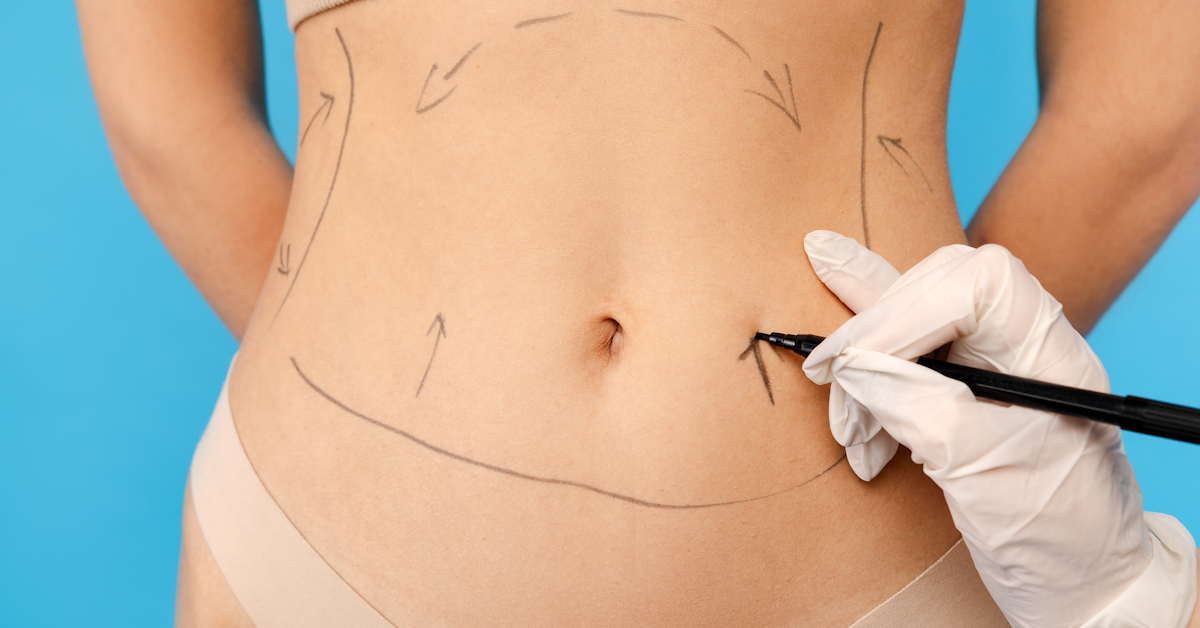
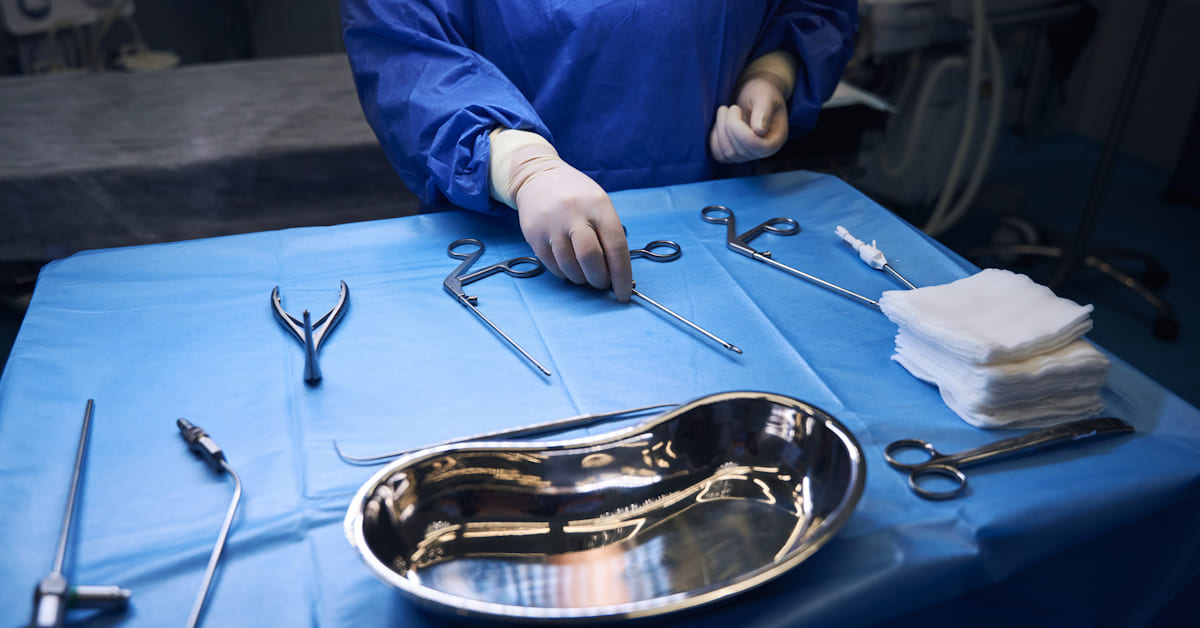
Liposuction for lipedema is performed using specialized techniques designed to remove affected fat tissue while preserving surrounding structures. The exact surgical approach varies depending on the areas being treated and the extent of the condition.
The procedure is typically performed under general anesthesia. Small incisions are placed in carefully selected locations, allowing thin surgical cannulas to remove lipedema tissue in a controlled manner. Depending on the treatment plan, surgery may be completed in a single session or divided into multiple stages.
After the procedure, patients should receive detailed instructions regarding recovery, compression garment use, activity restrictions, and follow up care.
Recovery After Lipedema Liposuction
Recovery varies depending on the extent of treatment and each patient’s individual healing response. Swelling, bruising, tenderness, and temporary discomfort are common during the early stages of recovery and generally improve with time.
Patients are usually encouraged to begin light walking soon after surgery, while strenuous exercise and heavy lifting should be avoided during the initial healing period. Compression garments are typically worn to support the tissues and help manage swelling.
Many patients return to routine daily activities and office based work within one to two weeks, although recovery timelines vary. Swelling may continue to improve for several months, and final results should be assessed only after the healing process is complete.
Results and Long Term Management After Lipedema Treatment
Many patients notice improvements in body proportions as swelling subsides and healing progresses. Since lipedema is a chronic condition, long term management remains important even after surgery. Maintaining a stable weight, staying physically active, attending follow up appointments, and following medical recommendations may help support long term outcomes.
Risks and Considerations of Lipedema Liposuction
As with any surgical procedure, lipedema liposuction involves potential risks that should be discussed during the consultation process.
Common temporary effects include swelling, bruising, discomfort, numbness, firmness of the tissues, and temporary changes in sensation. These effects are generally expected during recovery and improve gradually over time.
Less common risks may include infection, bleeding, fluid accumulation, contour irregularities, delayed healing, asymmetry, or the need for additional procedures. Risks associated with anesthesia should also be considered.
Careful patient selection, thorough preoperative evaluation, and adherence to postoperative instructions play important roles in supporting patient safety and recovery.
Lipedema Treatment Cost
The cost of lipedema treatment varies depending on the extent of the condition, the number of areas being treated, the complexity of the procedure, and whether treatment is performed in a single stage or multiple sessions.
Hospital fees, anesthesia services, postoperative care, compression garments, and follow up appointments may also influence the overall cost.
Because every patient’s treatment plan is unique, an accurate cost estimate can only be provided following a comprehensive consultation and personalized assessment.





I am 6 days post op from a mummy makeover, which included an extended tummy tuck with Mons lift, 360 lipo to stomach, back and flanks including J-plasma skin tightening and a breast lift with reduction. I honestly can’t thank Dr Murat enough for my unbelievable results already. From my very first consultation, he made me feel completely confident and comfortable trusting him with my body. Everything is healing so well and I cannot wait to share my final results once the swelling has fully subsided. The coordination team were amazing, the nurses were fantastic and the hospital is spotless and immaculately clean. We stayed at the Wanda vista hotel which was beautiful and included breakfast, all covered within the total cost of my treatment, along with airport and hospital transfers. The entire experience was fantastic. If I ever decide to have future cosmetic surgery, I will absolutely be returning and I will be recommending MD aesthetics to everyone. Thank you to the whole team🩷

Je recommande le docteur Mûrat ainsi que toute son équipe qui est très professionnelle à l’écoute et surtout bienveillant. Le docteur à su être à l’écoute et comprendre directement ce que je voulais. Un énorme + d’avoir été accompagné tout au long du séjour par le traducteur Firat qui est vraiment au top ! il a étais présent du début à la fin m’a même épaulé juste avant l’opération car j’étais très stressée vraiment il m’a étais d’une grande aide personnellement et à fait en sorte que tout ce passe pour le mieux. Le docteur Murât à une bel équipe et cela aide psychologiquement surtout quand on viens de l’étranger et qu’il y a la barrière de la langue.
I recently had a breast lift and liposuction with Dr. Murat, and I couldn’t be happier with my experience. Initially, I wanted to do a tummy tuck at the same time, but due to my anemia, Dr. Murat prioritized my safety and advised against doing everything at once. I truly appreciated his honesty and professionalism— he clearly puts his patients’ well-being first rather than taking unnecessary risks. The results are absolutely amazing—I love them! Everything looks natural and exactly what I hoped for. I also want to highlight the incredible support from the entire team. The patient coordinator Rita was so helpful and responsive throughout the process. Nurse Sena and Alana were both kind, attentive, and made me feel comfortable at every step. The BHT hospital nurses were also wonderful and took great care of me during my stay. Overall, I had a very positive experience from start to finish. Highly recommend Dr. Murat and his team!
Ameliyat öncesinde çok stresli ve kaygılıydım Ama Murat Hoca o kadar anlayışlı ve ilgiliydi ki bana kendimi hazır hissetmeden ameliyata girmemem gerektiğini bile söyledi. Bu yaklaşımı benim için çok değerliydi çünkü gerçekten maddi veya farklı bir kaygıdan çok hasta psikolojisini önemseyen biri olduğunu hissettirdi Süreç boyunca her konuda içimi rahatlattı ve şu an iyi ki yaptırmışım diyorum🌸. Sonuçtan çok memnunum ayrıca tüm ekibi en çok da Murat hocanın asistanı Ceylan hanım ameliyat öncesinde ve sonrasında çok ilgili nazik sabırlı ve destekleyiciydi Herşey için teşekkür ederim 2.seans ameliyatımda da size gönül rahatlığıyla geleceğim💙
I am 8 weeks post-op from a 360 body lift, liposuction with fat transfer, and a breast lift with Dr Murat. As a cosmetic nurse from Australia, travelling overseas for surgery was a huge decision for me. My results have been lifechanging (around 10kg was removed) my waist has been beautifully reshaped, and the scarring is incredibly neat (even my Australian doctor commented on how tidy it is). I did experience a complication with reduced blood flow to my nipples. Dr Murat spent over two hours trying to restore circulation before making the safe clinical decision to stop. Patient safety was clearly his priority. The team organised additional hyperbaric oxygen treatments and followed up closely once I returned home. The care from the entire team was exceptional. Travelling overseas for surgery isn’t something I’d recommend lightly but I would personally travel anywhere to be under Dr Murats care again. I would suggest travelling with someone and returning with business class for comfort. His team take care of the rest for you!
J’ai fais mon bbl et ma lipo chez dr Murat j’avais un corp masculin et je voulais le féminiser au maximum et le résultats et juste wow ! Au dessus de mes espérance. Le chirurgien as étais très à l’écoute de mes attentes Firat le traducteurs a étais très présent , et très à l’écoute a transmis chacune de mes demande dans le temp , je recommande a 100%
Sou mãe de uma paciente que foi operada pelo Dr. Murat. Quero agradecer ao doutor e à equipa médica, pelo profissionalismo. Recomendo a 100% desde a higiene do hospital ao acolhimento. Senti-me em casa. Todo o processo foi 100% confiável. Quero agradecer ao senhor Firat que é uma pessoa 5 estrelas. Sou portuguesa e desde o processo de tradução, ao acompanhamento do processo todo e carinho. É uma pessoa 5 estrelas, não há palavras para definir o quanto prestável é como pessoa. A minha filha está recuperar muito bem, futuramente se tiver que fazer uma cirurgia será convosco. Aconselho vivamente. Muito obrigada e estão no meu coraçãoSou mãe de uma paciente que foi operada pelo Dr. Murat. Quero agradecer ao doutor e à equipa médica, pelo profissionalismo. Recomendo a 100% desde a higiene do hospital ao acolhimento. Senti-me em casa. Todo o processo foi 100% confiável. Quero agradecer ao senhor Firat que é uma pessoa 5 estrelas. Sou portuguesa e desde o processo de tradução, ao acompanhamento do processo todo e carinho. É uma pessoa 5 estrelas, não há palavras para definir o quanto prestável é como pessoa. A minha filha está recuperar muito bem, futuramente se tiver que fazer uma cirurgia será convosco. Aconselho vivamente. Muito obrigada e estão no meu coraçãoSou mãe de uma paciente que foi operada pelo Dr. Murat. Quero agradecer ao doutor e à equipa médica, pelo profissionalismo. Recomendo a 100% desde a higiene do hospital ao acolhimento. Senti-me em casa. Todo o processo foi 100% confiável. Quero agradecer ao senhor Firat que é uma pessoa 5 estrelas. Sou portuguesa e desde o processo de tradução, ao acompanhamento do processo todo e carinho. É uma pessoa 5 estrelas, não há palavras para definir o quanto prestável é como pessoa. A minha filha está recuperar muito bem, futuramente se tiver que fazer uma cirurgia será convosco. Aconselho vivamente. Muito obrigada e estão no meu coração🌺
J'ai fait un lifting brésilien des fesses à istanbul Je vous recommande vraiment le dr Murat. Il est très professionnel . Mr firat comme traducteur Très respectueux et sympa . Avec un très bon suivi après l'opération
Cheguei sem expectativas e fui extremamente bem recebido pelo Firat, (muito atencioso, profissional, cuidadoso, ele foi realmente fantástico e ajudou muito para que tudo corresse bem). As 4 operações programadas correram muito bem, também devido ao excelente desempenho profissional do Dr. Murat. Estou muito satisfeita com o resultado! Muito obrigado por tudo!
Bellissima esperienza! Non potevo fare scelta migliore! Grazie al Dott.Murat❤️
Hocam merhaba🌸 Ameliyat sürecimin en başından itibaren gösterdiğiniz ilgi, güven ve emeğiniz için size ne kadar teşekkür etsem az kalır. Sayenizde korkularım yerini huzura ve güvene bıraktı. Sadece başarılı bir doktor değil, aynı zamanda hastasına değer veren çok özel bir insansınız Ayrıca sevgili Ceylan Hanım’a da ayrı teşekkür etmek istiyorum. O kadar nazik, ilgili ve içten davrandı ki her an kendimi çok rahat hissettim. Güzel enerjisi, sabrı ve güler yüzü bu süreci benim için çok daha kolay hale getirdi Böyle güzel insanlarla karşılaşmak gerçekten büyük şans. İyi ki yollarımız kesişmiş. Emekleriniz, güzel kalbiniz ve verdiğiniz güven için sonsuz teşekkür ederim🤍
I am extremely happy with my entire experience, from being picked up at the airport to being dropped off nine days later. Everything was handled with great care and professionalism, and I felt safe and supported throughout the whole process. I had a tummy tuck with liposuction, liposuction on my thighs, and a breast lift, and I am very pleased with the results. Dr. Murat Diyarbakirlioglu is an incredibly skilled and kind surgeon, and I am so glad I chose him. The communication before and after surgery with my consultant Gökhan was excellent and made me feel confident and well informed. A special thank you to Sena, the nurse who took care of me during my hotel stay and made my recovery feel safe and comfortable. I highly recommend this clinic and team to anyone considering surgery.
Ich möchte eine aufrichtige und herzliche Bewertung über die MD Clinic und DR.Murat hinterlassen, bei dem ich das große Glück hatte, operiert zu werden. Zunächst möchte ich die perfekte Organisation des gesamten Ablaufs hervorheben. Alles war bis ins kleinste Detail durchdacht und verlief ohne jegliche Verzögerungen: der Transfer vom Flughafen sowie die Fahrten zur Klinik – alles auf höchstem Niveau. Das vermittelte mir von Anfang an ein Gefühl von Ruhe und Sicherheit. Was Dr.Murat selbst betrifft, so ist er für mich nicht einfach nur ein Mediziner oder Chirurg. Er ist ein wahrer Bildhauer, der nicht einfach operiert, sondern eine elegante und harmonische Figur erschafft. Dabei nahm er sich stets viel Zeit, hörte ruhig und aufmerksam all meine Fragen an und beantwortete sie ausführlich – ganz ohne Eile. Das war für mich besonders wichtig. Ganz besonders möchte ich Sena erwähnen – sie ist eine wahre Zauberin mit goldenen Händen. Mit viel Liebe und Fürsorge kümmerte sie sich um mich im Hotel und führte wunderbare Lymphdrainagen durch. Ihre Unterstützung war ein unschätzbarer Teil meines Heilungsprozesses. Auch die Betreuung in der Klinik und im Krankenhaus war auf höchstem Niveau. Ich hatte nicht mit so viel Aufmerksamkeit und Fürsorge gerechnet – alles war äußerst professionell und angenehm. Ich bin sehr zufrieden damit, wie die Operation verlaufen ist, und sehe bereits jetzt Ergebnisse, obwohl ich mich noch in einer frühen Phase der Genesung befinde und weiß, dass sich noch vieles verändern wird. Von ganzem Herzen empfehle ich Dr.Murat und sein Tam weiter. Es ist ein seltener Fall, in dem Professionalität, Ästhetik und menschliche Wärme so perfekt miteinander verbunden sind.
Vom ersten Kontakt bis zum letzten Kontrolltermin einfach erstklassig. Op. Dr. Murat Diyarbakırlıoğlu arbeitet extrem professionell, ruhig und präzise de man fühlt sich sofort in sicheren Händen. Das Ergebnis meiner Operation hat meine Erwartungen nicht nur erfüllt, sondern übertroffen. Natürlich, harmonisch und genau so, wie es sein soll. Ein ganz besonderer Dank geht an Ceylan, die Assistentin. Sie war mein Fels in der Brandung: immer erreichbar, einfühlsam, organisiert und mit einer Ruhe, die einem jede Nervosität nimmt. Service, Betreuung und Menschlichkeit auf Premium-Level. Hier trifft medizinische Exzellenz auf echte Fürsorge. Absolute Empfehlung
İki hafta önce Murat hocaya karın germe ameliyatı ve basen lipo oldum. sonuç şimdiden mükemmel iyiki Murat hocayı tercih etmişim. hemşiler hepsi çok ilgili ve güler yüzlüydü asistanı ceylan hanım sürecin başından beri benimle çok ilgilendi bütün sorularıma çok güzel cvplar verdi sürekli iletişim halindeydik Dr murat diyarbakırlıogluna ve bütün ekibine çok teşekkür ediyorum tekrar operasyon düşünsem gözü kapalı tercih ederim💛
Dr. Murat Diyarbakırlıoğlu ile 3. büyük kombine ameliyatımı geride bıraktım. Şunu gönül rahatlığıyla söyleyebilirim ki; her operasyon hayat kaliteme ve sağlığıma inanılmaz olumlu katkılar sağladı. Obezite geçmişim, lipödem nedeniyle vücut yapım ve deri kalitem oldukça zorlayıcı ve komplike olmasına rağmen, Murat Bey’in uzmanlığı sayesinde şu an kendimi çok mutlu ve özgüvenli hissediyorum. Kendisi her zaman taleplerime kulak veren ve iletişime açık bir hekim oldu. Mesleki profesyonelliğinin yanı sıra 'iyi bir insan' olması en belirgin özelliği. Sadece kendisi değil, tüm ekibi de aynı şekilde güven veren ve profesyonel kişilerden oluşuyor. Yanlarında kendinizi en güvenilir ellerde, adeta evinizde hissettiriyorlar. Başta Dr. Murat Diyarbakirlioglu olmak üzere; ameliyat sürecindeki desteği için güzel Büşra Hanım’a, titiz pansumanlarıyla şifa veren güzel Yağmur Hanım’a ve asistanına sonsuz teşekkürlerimi sunuyorum.
I had an amazing experience at this clinic. I accompanied my friend who underwent surgery, and during her procedure and recovery I took the opportunity to take care of myself. I had Botox and Paris Light mesotherapy with multiple micro-needles to deeply hydrate the skin, improve texture, enhance radiance, and soften fine lines. The results are beautiful — my skin feels refreshed, plump, and has a healthy glow and shine. I can already see a noticeable difference after just a few days. All staff members were absolutely wonderful, and the level of service was truly outstanding. We felt supported and cared for throughout the entire process. A special thank you to consultant Ceylan hanım, who was extremely helpful and always available, and to nurse Sena hanım, who took such great care of my friend during her post-operative recovery at the hotel — truly luxurious service and arrangements. A heartfelt thank you to Dr.Murat Diyarbakirlioglu for his professionalism, skill, and beautiful results. Everything was perfectly organized, and I was able to complete my follow-up before traveling home. I am truly grateful for the care, attention, and experience. Highly recommended — especially for anyone accompanying a friend. A perfect opportunity to treat yourself.
Замечательное место, отличный и отзывчивый персонал. В момент операции, при подготовке к ней- не думаешь ни о каких сложностях, организация великолепная. После операции в данной клинике прошел почти год, результат радует меня каждый день советую!
J'ai fait un lifting brésilien des fesses à istanbul Je vous recommande vraiment le dr Murat. Il est très professionnel . Mr firat comme traducteur Très respectueux et sympa . Avec un très bon suivi après l'opération
Vor einen Monaten habe ich mir von Dr. Murat Diyarbakirlioglu, die Fettabsaugen machen lassen. Sie wurden gestrafft und gesaugt. Meine Oberkörper sehen sehr natürlich aus und ich bin mit dem Ergebnis mehr als zufrieden. Die Beratung war unglaublich sehr gut. Von Anfang an, habe ich mich gut aufgehoben gefühlt, es ist alles sehr persönlich dort. Die OP und auch die super Nachsorge haben mir stets ein gutes Gefühl vermittelt. Ich war überhaupt nicht aufgeregt und habe mich stets sicher und gut aufgehoben gefühlt. Das gesamte Team ist unglaublich freundlich und sehr familiär. JEDERZEIT würde ich mich wieder dort behandeln lassen.
Merci d’avoir changé ma vie !!! Tout a été parfait, docteur Murat est incroyablement gentil, professionnel et a l’écoute. Pour rien au monde je ne referai cette opération chez quelqu’un d’autre. Grand MERCI à Firat également car je n’aurai pas réussi sans lui. Merci de m’avoir accompagné tout le long de ce voyage. Il est exceptionnel et si professionnel lui aussi. Merci à toute l’équipe d’avoir changé ma vie à jamais. Merci aux infirmières, au chaffeur et aux masseuses chaque détail était parfait ! Je recommande à 100%!!!!!!
Lipedema FAQs
Lipedema is a chronic condition that causes a symmetrical buildup of fat tissue, most commonly in the legs and sometimes the arms. It may also be associated with pain, tenderness, heaviness, and easy bruising.
Not usually. While weight management is important for overall health, lipedema tissue often responds differently than ordinary body fat and may persist despite weight loss.
Liposuction may be considered when symptoms such as discomfort, heaviness, mobility limitations, or disproportionate limb enlargement continue despite conservative management.
Most patients return to light daily activities within one to two weeks. Swelling gradually improves over the following weeks and months as healing progresses.
The removed fat cells do not return in the same way. However, long term results may still be influenced by factors such as weight changes, hormones, genetics, and lifestyle habits.