






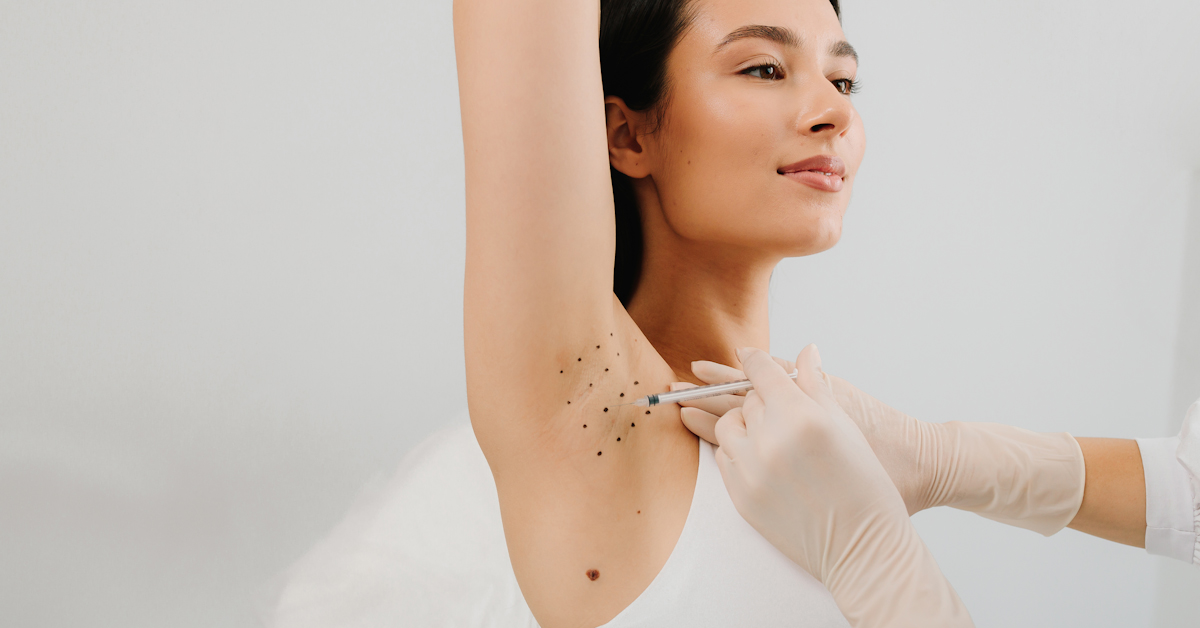
What Is Excessive Sweating (Hyperhidrosis)?
Sweating is a normal physiological process that plays an important role in maintaining the body’s temperature. Increased sweating during hot weather, exercise, stress, or excitement is expected. With hyperhidrosis, however, sweating may be excessive and disproportionate to the surrounding temperature or level of physical activity.
Excessive sweating most commonly affects:
- Underarms
- Palms
- Soles of the feet
- Face and scalp
Hyperhidrosis is generally classified as either primary or secondary. Primary hyperhidrosis usually occurs without another identifiable medical condition and may be associated with a family history in some individuals. Secondary hyperhidrosis, on the other hand, may develop as a result of another medical condition, hormonal or metabolic changes, or certain medications.
For this reason, when excessive sweating develops unexpectedly, occurs predominantly at night, or affects large areas of the body, it is important to investigate the possible underlying cause. Not every case of excessive sweating should be approached solely as a cosmetic concern.
What Causes Excessive Sweating?
Excessive sweating does not always have a single identifiable cause. Some individuals may have primary hyperhidrosis, while genetic predisposition, hormonal changes, metabolic factors, certain medical conditions, or medications may contribute to increased sweating in others.
Certain medications can also affect sweating. For this reason, a patient’s general health and current medications should be taken into consideration during the evaluation.
When excessive sweating develops later in adulthood, occurs at night, or affects most of the body, identifying the underlying cause becomes particularly important. When planning hyperhidrosis treatment, it is important to consider not only how much a person sweats but also why the sweating occurs and how it affects their overall health.
What Is Botox Treatment for Sweating?
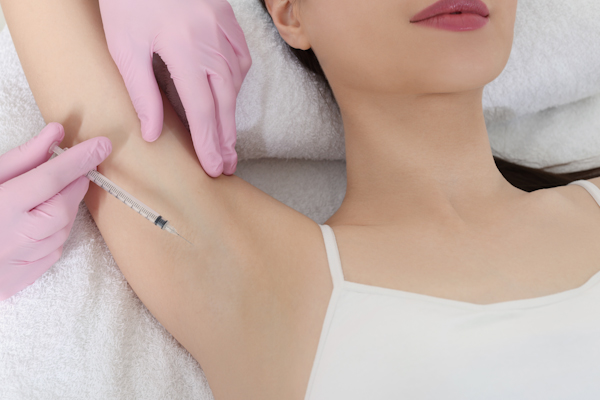
Botulinum toxin is a substance used in various medical and aesthetic applications. When used for hyperhidrosis, its primary purpose is to temporarily reduce the nerve signals that stimulate the sweat glands.
This means that botox treatment for hyperhidrosis has a different purpose from Botox used for wrinkle treatment. In aesthetic Botox, the main goal is to reduce the movement of specific muscles. In hyperhidrosis treatment, the aim is to temporarily reduce the nerve signals responsible for stimulating sweat glands in the treated area.
The treatment does not surgically remove the sweat glands and does not eliminate the body’s overall ability to sweat. Its effects are temporary and may gradually decrease over time.
How Is Botox for Excessive Sweating Performed?
Before botox for excessive sweating is performed, the patient is evaluated by a physician. The areas where sweating is most prominent, the impact of the symptoms on daily life, previous treatments, and the patient’s general health are considered.
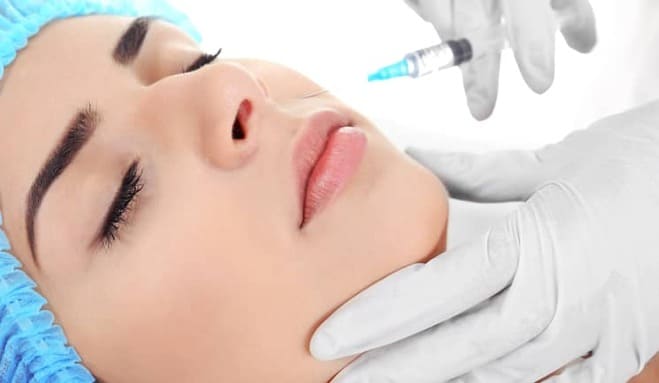
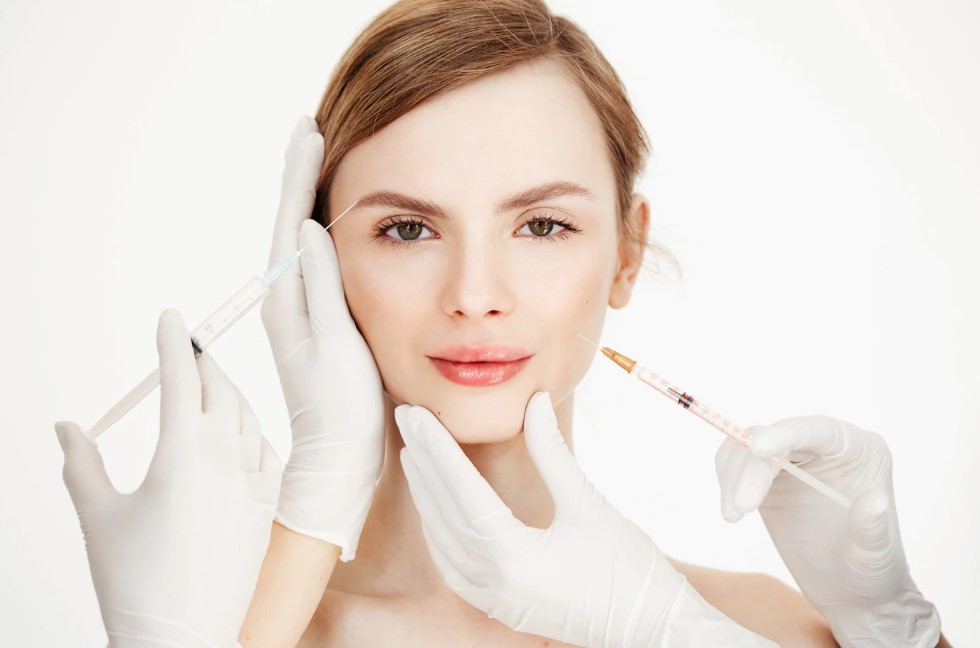
Once the patient is considered suitable for treatment, the areas to be treated are identified and prepared. Botulinum toxin is then administered through a series of small injections into the selected area.
The dosage and number of injection points are determined according to the treatment area and the individual patient’s needs. There is therefore no single fixed dose or number of injections that applies to every patient.
After the procedure, the patient is followed according to the physician’s recommendations. The purpose of the treatment is to reduce excessive sweating in the treated area, and the response is assessed based on the individual patient’s results.
Where Can Sweating Botox Be Performed?
Botulinum toxin can be considered for different areas affected by hyperhidrosis. The most commonly evaluated areas include the underarms, palms, and soles of the feet. In some patients, other treatment options may also be considered for excessive sweating affecting the face and scalp.
Underarm Botox for Excessive Sweating
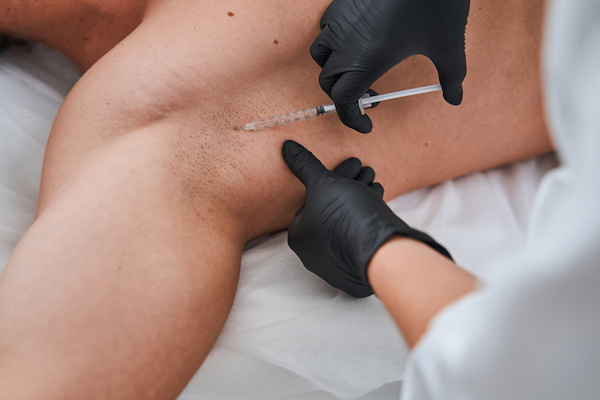
Underarm Botox, also referred to as Botox for underarm sweating, is one of the most commonly evaluated treatment options for localized hyperhidrosis. Excessive underarm sweating can cause visible wetness on clothing and may make a person feel uncomfortable in social or professional environments.
When botulinum toxin is injected into the underarm area, it can temporarily reduce the nerve signals reaching the sweat glands. This may help control excessive sweating in the treated underarm area.
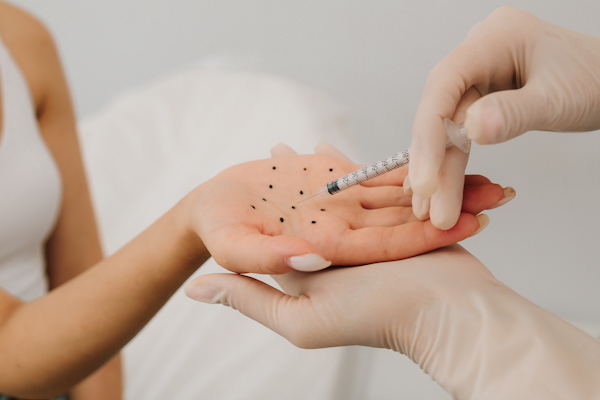
Botox for Sweaty Hands
Excessive sweating of the palms can be particularly disruptive to everyday activities. Handshakes, using a phone or computer, writing, and certain professional activities may become more difficult when the hands are constantly sweaty.
Botox for sweaty hands can be considered for appropriate patients with palmar hyperhidrosis. However, because of the anatomy of the hands and the importance of preserving hand function, the treatment should be carefully evaluated and planned.
Temporary muscle weakness is one of the possible area-specific effects that should be considered when treating the palms. For this reason, the decision to proceed and the treatment approach should be individualized.
Botox for Excessive Sweating of the Feet
Excessive sweating of the soles can also affect everyday comfort. Constantly damp feet may cause discomfort when wearing socks and shoes.
Botulinum toxin may be considered for some patients with plantar hyperhidrosis. However, the characteristics of the treatment area and the patient’s individual symptoms should be taken into account when planning treatment.
Who Is a Suitable Candidate for Sweating Botox?
The answer to who can get sweating Botox should not be based solely on the amount of sweating. The underlying cause, affected area, and the patient’s general health should first be evaluated.
People with localized hyperhidrosis that significantly affects their daily lives may be candidates for treatment if a physician determines that botulinum toxin is appropriate.
During the evaluation, factors such as the location and severity of sweating, the underlying cause of hyperhidrosis, previous treatments, current medications, and general health may all be considered.
Who Should Not Have Sweating Botox?
Not every patient is suitable for botulinum toxin treatment. Pregnancy and breastfeeding, an active infection at the treatment site, known hypersensitivity to botulinum toxin products, and certain neuromuscular conditions may require special consideration or may make treatment unsuitable.
There is no single definitive list that applies to every patient. A decision should be made after considering the individual’s medical history, medications, treatment area, and overall health.
When Does Botox for Sweating Start Working?
Sweating is not expected to stop completely immediately after botulinum toxin treatment. The effect develops gradually and may vary from person to person.
Does Botox stop sweating? It can help reduce excessive sweating in the treated area in suitable patients, but the degree and timing of the response can vary depending on the treatment area and individual response.
For this reason, following the physician’s recommended follow-up process is important when assessing the effectiveness of the treatment.
How Long Does Botox for Sweating Last?
How long does Botox for sweating last? is one of the most common questions patients have before treatment. Botulinum toxin is not a permanent treatment for hyperhidrosis. Its effects gradually decrease over time, and sweating may eventually return.
The duration of the effect can vary depending on individual factors, the area treated, and the patient’s response to treatment. If the effect decreases, another treatment may be considered for suitable patients.
Sweating Botox should therefore be viewed as a temporary treatment designed to reduce localized excessive sweating for a period of time rather than as a permanent way to eliminate sweating.
What Should You Do After Botox for Sweating?
Post-treatment recommendations may vary depending on the treatment area and the individual patient’s circumstances. The physician’s specific instructions should therefore take priority.
In general, it is important to avoid unnecessarily irritating the treated area and to follow the recommended aftercare instructions. If an unexpected or significant reaction occurs, the patient should contact a healthcare professional.
Rather than applying strict time limits or identical restrictions to every patient, aftercare should be tailored to the treatment area and the individual’s circumstances.
What Are the Side Effects and Risks of Sweating Botox?
Botulinum toxin injections are a medical treatment and, like other medical procedures, may involve certain side effects and risks. The nature and likelihood of these effects can vary depending on the treatment area.
Temporary pain, tenderness, redness, or bruising may occur at the injection sites. Depending on the area treated, other localized functional effects may also occur.
In particular, temporary muscle weakness is a potential area-specific consideration when botulinum toxin is used in the hands. In rare cases, systemic reactions may occur.
For this reason, appropriate patient selection, proper injection technique, and evaluation of the patient’s health before treatment are important parts of the treatment process.
Does Sweating Botox Completely Stop Sweating?
The purpose of sweating Botox is not to eliminate the body’s entire sweating mechanism. It is a localized treatment intended to reduce excessive sweating in the selected treatment area.
Sweating plays an important role in regulating body temperature. The goal of botox for sweating is therefore not to completely stop the body’s natural temperature-regulation mechanism, but to reduce localized excessive sweating that negatively affects the patient’s quality of life.
Sweating Botox or Other Hyperhidrosis Treatments?
There is no single treatment that is suitable for every person with hyperhidrosis. Hyperhidrosis treatment should be selected according to the cause, severity, affected area, and previous treatments.
Depending on the individual case, options may include:
- Topical products
- Iontophoresis
- Certain medical treatments
- Botulinum toxin
- Surgical procedures in selected cases
Botulinum toxin is one option, particularly for localized excessive sweating. The appropriate treatment should be determined based on the individual patient’s needs and the characteristics of their hyperhidrosis rather than assuming that one approach is suitable for everyone.
Is Botox for Excessive Sweating a Cosmetic Treatment?
Although botulinum toxin is widely used in aesthetic medicine to reduce the appearance of wrinkles, its use is not limited to cosmetic applications. It can also be used as a medical treatment for conditions such as hyperhidrosis.
Botox for excessive sweating should therefore not be considered solely a cosmetic procedure. Understanding the anatomy of the treatment area, selecting appropriate patients, and assessing potential risks and complications all require a medical approach.
At the practice of Dr. Murat Diyarbakıroğlu, patient evaluation, understanding individual needs, and developing an appropriate treatment plan are important parts of the treatment process. For patients experiencing excessive sweating, the first step is to understand the nature of the problem and determine which treatment option may be appropriate.