








What Causes a Double Chin?
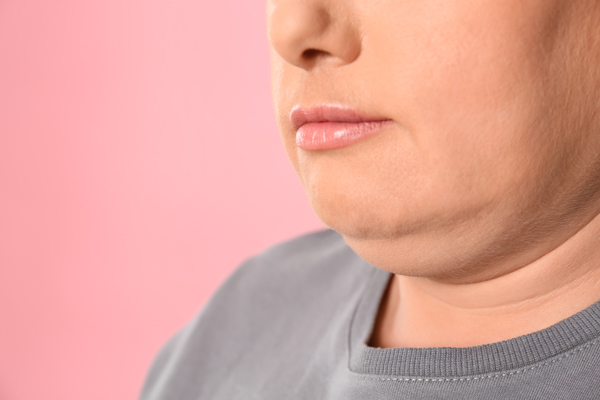
A double chin refers to fullness beneath the chin that may appear as a rounded contour or, in some cases, sagging skin. One of the most common causes is localized fat accumulation. However, the appearance of the submental area is influenced by more than the amount of fat present. Skin quality, neck anatomy, and the position of the chin in relation to the rest of the face also play important roles.
Several factors can contribute to the appearance of a double chin.
Genetics: Some people are naturally more prone to storing fat beneath the chin. As a result, a double chin can develop even when overall body weight is within a healthy range.
Weight gain and weight fluctuations: An increase in body weight can cause fat cells beneath the chin to enlarge. However, fat distribution varies from person to person, meaning that this area may remain prominent even after weight loss.
Age-related changes in skin elasticity: As the skin ages, it gradually loses some of its elasticity. Changes in the skin and underlying supporting tissues can contribute to a less defined jawline and increased fullness or laxity beneath the chin.
Chin and neck anatomy: The position of the chin, the shape of the jawbone, and the angle between the chin and neck can all affect the appearance of the submental area. In some individuals, a recessed chin can make this region appear fuller even when excess fat is not the primary concern.
Skin laxity: Loose skin may develop with age or following significant weight loss. In these cases, the appearance of a double chin may be related more to excess skin than to fat accumulation.
These factors can occur individually or together. Understanding the underlying cause is therefore an essential step in determining the most appropriate approach to double chin removal.
How to Get Rid of a Double Chin
The most suitable treatment for a double chin depends on what is causing the fullness beneath the chin. Localized fat, loose skin, and structural features of the chin and neck are different concerns and may require different approaches.
If the fullness is associated with weight gain, weight management may help reduce the amount of fat beneath the chin. However, people who are already close to their ideal weight may continue to have localized submental fat despite maintaining a stable weight.
For suitable candidates, double chin liposuction can be considered when localized fat is the primary concern. The procedure aims to reduce this fat and improve the definition of the jawline and the transition between the chin and neck.
If significant skin laxity or looseness in the underlying neck tissues is present, removing fat alone may not achieve the desired contour. In such cases, a neck lift or another surgical approach may be more appropriate.
Chin exercises, creams, and massage techniques are also frequently discussed as ways to reduce a double chin. However, there is insufficient evidence that exercises can selectively eliminate submental fat. Similarly, topical products and massage should not be expected to permanently remove substantial localized fat deposits.
The most effective approach is to identify the main cause of the double chin and select a treatment based on the individual’s anatomy and goals.
Does Losing Weight Get Rid of a Double Chin?
Losing weight can help reduce a double chin, particularly when the fullness beneath the chin is associated with an increase in overall body fat. As body fat decreases, the amount of fat stored beneath the chin may also decrease.
However, the extent of this change varies considerably between individuals. Some people notice a significant improvement after losing weight, while others continue to have submental fullness because of their natural fat distribution or genetic predisposition.
People who are already close to their ideal weight may find that further weight loss does not produce the desired change in their jawline. In addition, significant weight loss can sometimes leave loose skin beneath the chin, particularly when skin elasticity is limited.
Weight management and chin liposuction therefore serve different purposes. Weight loss affects overall body fat, whereas liposuction targets localized fat deposits in a specific area.
For individuals with persistent submental fat despite a stable weight, chin liposuction may be worth discussing with a qualified plastic surgeon.
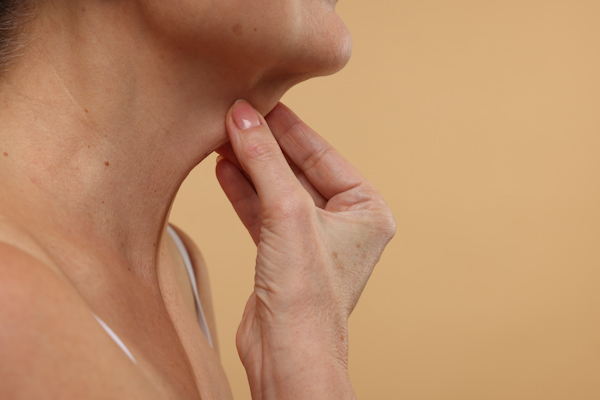
What Is Chin Liposuction?
Chin liposuction, also called submental liposuction, is a surgical procedure that removes localized fat beneath the chin using thin cannulas. Its primary purpose is to reduce fullness in the submental area and create a more defined transition between the chin and neck.
Unlike weight-loss procedures, chin liposuction is intended to contour a specific area rather than reduce overall body weight.
By reducing excess fat beneath the chin, the procedure may improve the visibility of the jawline and create a more defined neck profile. The degree of improvement depends on several factors, including the amount of fat present before surgery, skin elasticity, chin projection, and the individual’s neck anatomy.
One important consideration is that chin liposuction does not directly remove excess skin. After fat is removed, the skin needs to adapt to the new underlying contour. Patients with good skin elasticity are generally better positioned to achieve a smooth result from liposuction alone.
For this reason, appropriate patient selection is essential when considering double chin removal surgery.
How Is Chin Liposuction Performed?
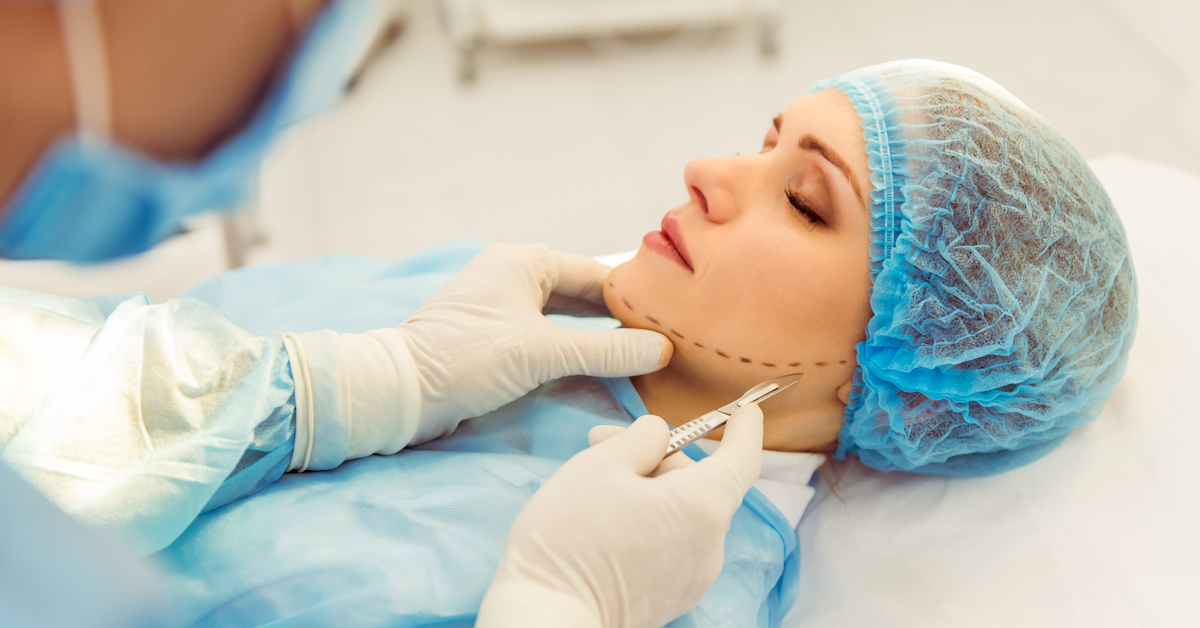
Before chin liposuction, the surgeon assesses the distribution of fat beneath the chin, the condition of the skin, and the overall anatomy of the jawline and neck. This evaluation helps determine whether liposuction alone is appropriate and allows the surgical plan to be tailored to the patient’s needs.
The procedure generally involves several stages.
- Assessment of the chin and neck
The surgeon examines the jawline, neck angle, skin elasticity, and areas of localized fat. The goal is to determine whether the double chin is primarily caused by excess fat, loose skin, or structural features.
- Anesthesia planning
The appropriate anesthesia method depends on the extent of the procedure and the patient’s individual circumstances. Local anesthesia, sedation, or general anesthesia may be considered as appropriate.
- Small incision points
Small incisions are made in carefully selected locations, commonly beneath the chin. These access points allow the surgeon to introduce thin cannulas into the targeted area.
- Removal of localized fat
Fat is removed in a controlled manner to reduce submental fullness and improve the contour of the chin and neck. The objective is not simply to remove as much fat as possible, but to create a balanced contour that complements the patient’s facial proportions.
The technique and amount of fat removed are determined individually.
- Postoperative care
Following the procedure, the patient’s condition is assessed and postoperative instructions are provided. A compression garment or chin strap may be recommended in selected cases to support the treated area during recovery.
The exact surgical approach, anesthesia plan, and postoperative care instructions vary according to the individual patient’s needs.
Who Is a Good Candidate for Chin Liposuction?
Chin liposuction may be suitable for people who have localized fat beneath the chin and sufficient skin elasticity to accommodate the reduction in underlying fat.
Although suitability must be determined through an individual assessment, potential candidates often share several characteristics:
- Localized fat beneath the chin that affects the definition of the jawline.
- Persistent submental fullness despite weight loss or maintaining a stable weight.
- Relatively good skin elasticity.
- A stable body weight.
- General health that is compatible with the planned surgery.
- Realistic expectations about the changes the procedure can achieve.
Age alone does not determine whether someone is a suitable candidate. Younger individuals can develop a double chin because of genetics, while older patients may have a combination of localized fat and age-related skin laxity.
The structure of the chin and neck must also be considered. For example, someone with a recessed chin may continue to have a less defined profile even after the fat beneath the chin has been reduced.
A physical examination and review of the patient’s medical history are essential before determining whether chin liposuction is appropriate.
Who Is Not a Suitable Candidate for Chin Liposuction?
Not every double chin can be corrected with liposuction alone. When the primary concern is loose skin, underlying tissue laxity, or the structural position of the chin, removing fat may not produce the desired result.
An alternative or more comprehensive approach may need to be considered in the following situations:
- Significant excess skin or pronounced sagging in the neck.
- Severely reduced skin elasticity.
- A double chin that is primarily related to chin projection or other anatomical features rather than excess fat.
- Medical conditions that make the planned surgery unsuitable.
- Expectations that cannot reasonably be achieved through liposuction.
These factors do not necessarily mean that no cosmetic procedure is appropriate. Instead, they indicate that the treatment plan may need to be reconsidered.
A thorough assessment helps determine whether liposuction alone, a neck lift, or another approach is more suitable for the patient’s anatomy and goals.
Does Chin Liposuction Tighten Loose Skin?
Chin liposuction primarily removes fat. It does not directly remove excess skin or correct significant skin laxity.
When the skin has good elasticity, it may gradually adapt to the new contour after the underlying fat has been reduced. This can contribute to a smoother and more defined appearance beneath the chin.
However, the skin’s ability to retract varies between individuals. Age, genetics, previous weight fluctuations, and the amount of existing skin laxity can all influence the outcome.
In patients with substantial loose skin, removing fat alone may not provide adequate tightening. In some cases, existing skin laxity may become more noticeable after the underlying volume has been reduced.
This is why a preoperative assessment should consider not only the amount of fat that can be removed, but also how the skin is likely to respond after surgery.
Chin Liposuction vs. Neck Lift: What Is the Difference?
Chin liposuction and neck lift surgery can both improve the appearance of the chin and neck, but they address different concerns.
Chin liposuction primarily targets localized fat deposits beneath the chin. A neck lift is designed to address loose skin and laxity in the neck tissues. Depending on the surgical plan, it may also involve adjustments to the underlying tissues.
For patients whose main concern is excess fat and whose skin has adequate elasticity, chin liposuction alone may be appropriate.
For those with significant skin laxity, excess skin, or more pronounced changes in the neck contour, a neck lift may offer a more suitable approach.
Some patients have both localized fat and loose skin. In these situations, a combination of procedures may be considered when clinically appropriate.
The decision should not be based on the assumption that a more extensive procedure will always produce a better result. The most appropriate treatment is the one that addresses the patient’s specific concerns while taking their anatomy, health, and expectations into account.
How Does Chin Liposuction Change the Face and Jawline?
The aim of chin liposuction is to reduce fullness beneath the chin and create a more defined transition between the lower face and neck.
Depending on the patient’s anatomy, reducing localized fat may make the jawline appear more distinct, improve the neck profile, and change the overall contour of the lower face.
However, chin liposuction does not change the underlying structure of the jawbone. Factors such as a recessed chin or a naturally different neck angle can influence the degree of improvement that can be achieved.
Swelling after surgery can also temporarily affect the appearance of the treated area. The initial postoperative appearance should therefore not be considered the final result.
Before-and-after photographs should be interpreted with these differences in mind. Outcomes vary according to the patient’s starting anatomy, skin quality, fat distribution, and surgical plan. One person’s result cannot guarantee a similar outcome for someone else.
What Is Recovery Like After Chin Liposuction?
Recovery after chin liposuction varies depending on the surgical technique, the extent of treatment, and the individual’s healing response.
Common temporary effects may include swelling, bruising, tenderness, tightness, and changes in sensation around the treated area. Some patients may also experience temporary numbness.
During the early stages of recovery, swelling can make the area beneath the chin appear fuller than expected. As the swelling subsides, the jawline and neck contour generally become easier to assess. However, complete tissue healing and the development of the final contour may take longer.
Following the surgeon’s postoperative instructions is important. Recommendations concerning compression garments, physical activity, wound care, and follow-up appointments should be tailored to the individual patient.
There is no single recovery timeline that applies to everyone. The rate of healing depends on the extent of the procedure and the patient’s individual circumstances.
Is a Compression Garment Necessary After Chin Liposuction?
Some patients are advised to wear a specialized compression garment or chin strap after chin liposuction. These garments apply controlled pressure to the treated area and may form part of the postoperative care plan.
Whether a garment is required, when it should be worn, and how long it should be used depend on the surgical technique, the extent of treatment, and the surgeon’s recommendations.
The garment should not be excessively tight or worn for longer than instructed. Patients should follow the specific guidance provided by their surgical team rather than relying on a standard schedule.
Not every patient will need to use a compression garment for the same length of time.
When Are the Results of Chin Liposuction Visible?
Some changes in the chin and neck contour may be noticeable relatively early after surgery. However, swelling, bruising, and temporary tissue changes can make it difficult to assess the result during the initial recovery period.
As swelling decreases, the definition of the jawline, the transition between the chin and neck, and the reduction in localized fullness become easier to evaluate.
The final contour develops as the tissues heal and adapt. The timing varies according to the patient’s healing response and the surgical technique used.
Follow-up appointments allow the surgeon to monitor recovery and assess the progress of the results. Patients should avoid judging the final outcome based solely on the first few days or weeks after surgery.
Is Chin Liposuction Permanent?
Chin liposuction permanently removes some of the fat cells from the treated area. However, this does not mean that the appearance of the chin and neck will remain unchanged throughout life.
Significant weight gain can cause the remaining fat cells to enlarge, potentially changing the contour beneath the chin. In addition, age-related changes in the skin and supporting tissues can gradually affect the appearance of the jawline and neck.
Maintaining a relatively stable body weight can help preserve the results over time. Nevertheless, natural aging continues independently of the procedure.
It is useful to distinguish between the permanent removal of some fat cells and the long-term appearance of the treated area. While the removed cells do not return, changes in weight, skin elasticity, and tissue structure can still influence the outcome.
What Are the Risks of Chin Liposuction?
Chin liposuction is a surgical procedure performed near important anatomical structures in the face and neck. Like other surgical treatments, it carries potential risks and complications.
Possible risks include:
- Swelling, bruising, and tenderness.
- Bleeding and infection.
- Asymmetry or contour irregularities.
- Unevenness of the skin surface.
- Temporary or persistent changes in sensation.
- Complications related to anesthesia.
The likelihood and severity of complications depend on the patient’s health, anatomy, and the surgical technique used.
Careful patient selection, appropriate surgical planning, realistic expectations, and postoperative monitoring are important components of the treatment process. Patients should discuss the potential risks, benefits, and limitations of the procedure with their plastic surgeon before making a decision.
Why Is an Assessment of the Chin and Neck Anatomy Important?
Achieving a natural-looking result with double chin removal requires more than simply measuring the amount of fat beneath the chin. The projection of the chin, the shape of the jawline, the angle of the neck, skin elasticity, and the distribution of fat all contribute to the final contour.
For example, reducing submental fat may not fully address a less defined profile when the chin is naturally recessed. Similarly, removing fat from an area with significant skin laxity may not provide the degree of definition the patient expects.
At MD Aesthetics, an assessment with Op. Uzm. Dr. Murat Diyarbakırlıoğlu can help determine the underlying factors contributing to a double chin and identify the treatment options that may be appropriate for the patient’s anatomy.
The objective of individualized planning is to achieve a balanced contour that complements the rest of the face and neck while taking the limitations of each procedure into account.
Understanding whether excess fat, skin laxity, or anatomical features are the primary concern is an important step toward selecting the right treatment.