





Why Does Loose Skin Develop After Gastric Sleeve Surgery?
Gastric sleeve surgery reduces the size of the stomach, helping patients lose weight by limiting the amount of food they can consume. Following significant weight loss, the skin and underlying tissues must adapt to a smaller body volume. However, the skin’s ability to stretch and retract is limited.
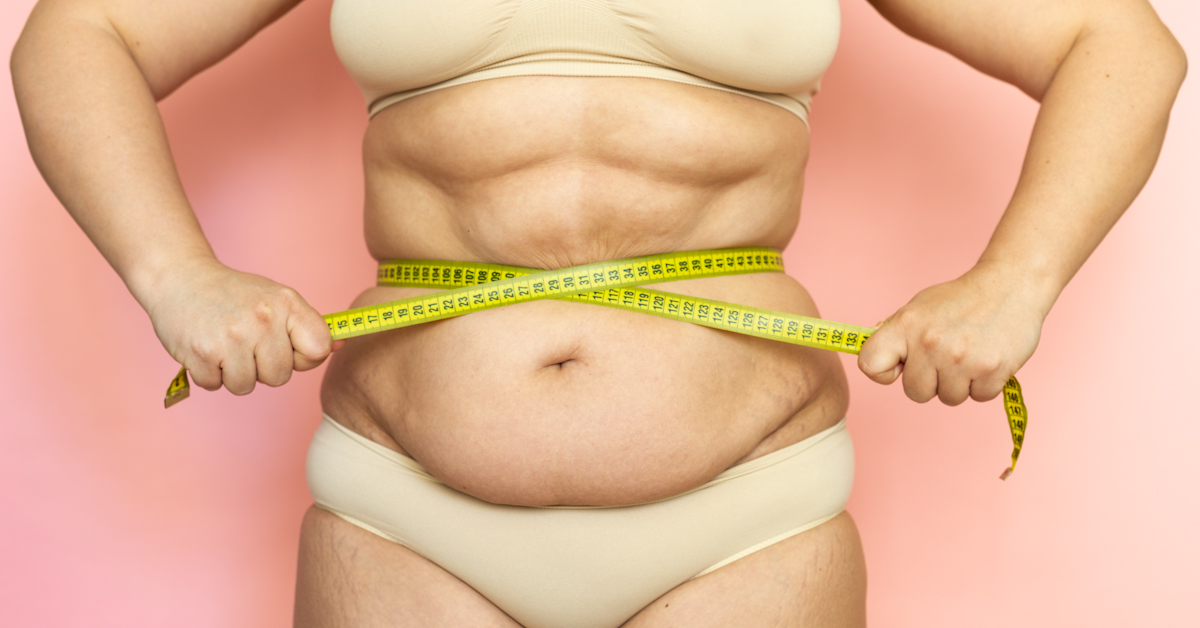
In people who have been overweight for many years, the skin may have remained stretched for a prolonged period. As fat volume decreases during weight loss, the skin does not always shrink at the same rate. As a result, loose skin may develop around the abdomen, upper arms, thighs, and breasts.
Several factors can influence the extent of loose skin:
- Total amount of weight lost: The greater the weight loss, the more the skin may need to adapt to changes in body volume.
- Speed and duration of weight loss: Significant weight loss over a relatively short period may make it more difficult for the skin to adjust to the body’s new proportions.
- Skin elasticity: Age, genetics, and the natural structure of the skin all influence its ability to retract.
- Duration of obesity: Skin that has remained stretched for many years may be less able to regain its previous firmness after weight loss.
- Pre-existing stretch marks and skin laxity: Stretch marks and existing skin looseness may indicate reduced skin elasticity.
- Nutritional status and muscle mass: Adequate protein and micronutrient intake are important for maintaining muscle mass and supporting overall tissue health.
Therefore, loose skin after gastric sleeve surgery is not a direct consequence of the surgical procedure itself. It is primarily associated with the amount of weight lost, the skin’s natural elasticity, and the patient’s overall health.
Does Everyone Develop Loose Skin After Gastric Sleeve Surgery?
No. Not everyone who undergoes gastric sleeve surgery experiences the same degree of skin laxity. Some people notice only mild looseness after losing weight, while others develop more pronounced folds of excess skin.
The amount of weight lost is not the only determining factor. For example, two people who lose a similar amount of weight may have very different skin elasticity, ages, weight histories, and body compositions. This is why the degree of loose skin experienced by one person cannot be used to predict the outcome for another.

Will Loose Skin Tighten Naturally After Gastric Sleeve Surgery?
The skin may retract to some extent following weight loss. However, the degree of natural tightening depends on skin elasticity, the amount of excess skin, and how much time has passed since weight loss.
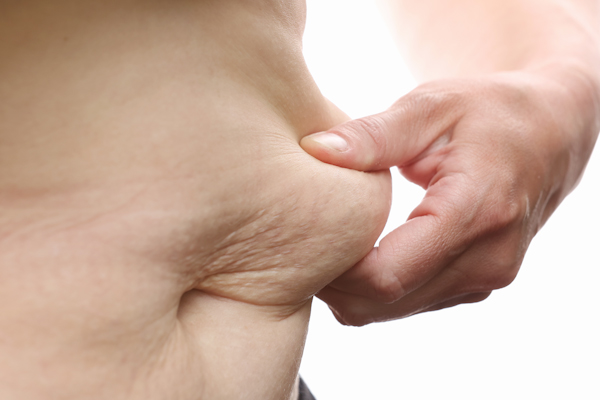
People with mild skin laxity may notice some improvement over time. However, when significant excess skin and pronounced folds are present, it is unlikely that they will disappear completely on their own. When skin elasticity has been substantially reduced, the body’s ability to adapt to its new contours may be limited.
For this reason, it is important not to rush into evaluating the final body shape while weight loss is still ongoing. Allowing weight loss to be completed and body weight to remain stable for a period of time helps establish the extent of excess skin and provides a more reliable basis for considering possible surgical procedures.
How Can Loose Skin After Gastric Sleeve Surgery Be Removed?
The treatment of loose skin after gastric sleeve surgery depends on the degree of skin laxity and the areas affected. Not every patient requires surgery. For mild skin looseness, lifestyle adjustments and selected non-surgical treatments may be considered. When there is significant excess skin, surgical removal may be a more effective option.
Several factors are taken into account when planning treatment:
- Completion of weight loss and stabilisation of body weight
- Regular exercise aimed at maintaining muscle mass
- Assessment and correction of protein, vitamin, and mineral deficiencies
- Consideration of non-surgical treatments for suitable patients with mild skin laxity
- Planning post-bariatric body contouring procedures when significant excess skin is present
It is important to understand that exercise and cosmetic treatments cannot necessarily replace surgical skin removal. The most appropriate approach depends on the condition of the existing tissues and the patient’s expectations.
Can Exercise Improve Loose Skin After Gastric Sleeve Surgery?
Exercise plays an important role in maintaining healthy weight management and preserving muscle mass after gastric sleeve surgery. Resistance training, in particular, can help develop muscle and positively influence overall body appearance.
However, exercise does not remove excess skin. Building muscle may create a firmer appearance in certain areas, but it cannot eliminate significant skin folds. For example, if excess skin remains around the back of the upper arms or the abdomen, exercise cannot surgically remove that tissue.
Exercise is therefore an important part of supporting the post-bariatric body contouring process, but it is not a standalone treatment for significant excess skin.
Do Creams and Skin-Tightening Treatments Work for Loose Skin After Gastric Sleeve Surgery?
Moisturisers and skincare products can support the skin’s hydration and surface appearance. However, they should not be expected to eliminate significant excess skin.
Energy-based treatments such as radiofrequency, focused ultrasound, and certain laser procedures may provide limited improvement in mild to moderate skin laxity in suitable patients. Results vary depending on the technology used, the treatment area, and the existing condition of the skin. These treatments are not equivalent to surgically removing large folds of excess skin. Although some skin-tightening technologies have shown promising results, the available evidence regarding their effectiveness and durability varies between methods.
Therefore, relying solely on non-surgical treatments may not be realistic for people with advanced skin laxity.
What Is Post-Bariatric Surgery?
Post-bariatric surgery refers to a range of surgical procedures designed to remove excess skin and improve body contours following substantial weight loss, whether achieved through bariatric surgery or other methods.
The purpose of these procedures is not limited to achieving a firmer appearance. Excess skin folds can also cause friction, irritation, recurring skin problems, hygiene difficulties, and restrictions in movement. In suitable patients, post-bariatric body contouring may help reduce these problems.
The appropriate procedure depends on the location and amount of excess skin. While some patients may benefit from surgery targeting a single area, others may require a combination of procedures performed in stages.
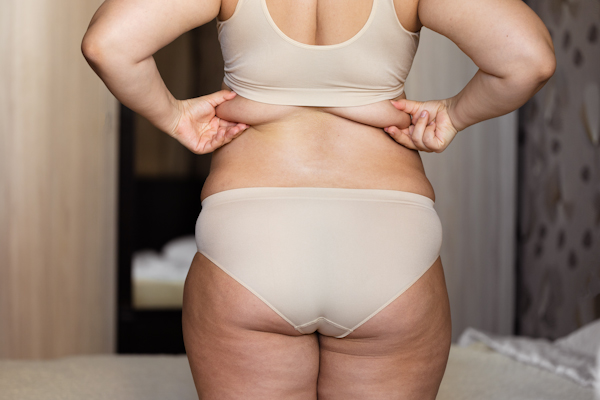
Which Areas Can Develop Loose Skin After Gastric Sleeve Surgery?
Following significant weight loss, excess skin can develop in several areas of the body. The most commonly affected areas include the abdomen, upper arms, inner thighs, breasts, back, and buttocks. Each area may require a different surgical approach.
Loose Abdominal Skin After Gastric Sleeve Surgery
Excess skin and folds may develop in the abdominal area, particularly across the lower abdomen. For some people, this can be noticeable under clothing, while others may experience skin irritation and hygiene difficulties.
A tummy tuck may be considered when there is significant excess abdominal skin. During the procedure, excess skin is removed, and the abdominal wall may also be assessed to determine whether any additional correction is appropriate.
Loose Arm Skin After Gastric Sleeve Surgery
Loose skin may accumulate along the inner and back portions of the upper arms. An arm lift, also known as brachioplasty, is performed to remove excess skin and improve the contour of the upper arms.
Loose Skin on the Legs and Inner Thighs After Gastric Sleeve Surgery
Loose skin along the inner thighs can cause friction, irritation, and difficulties when choosing clothing. A thigh lift aims to remove excess skin and improve the contour of the thighs in suitable patients.
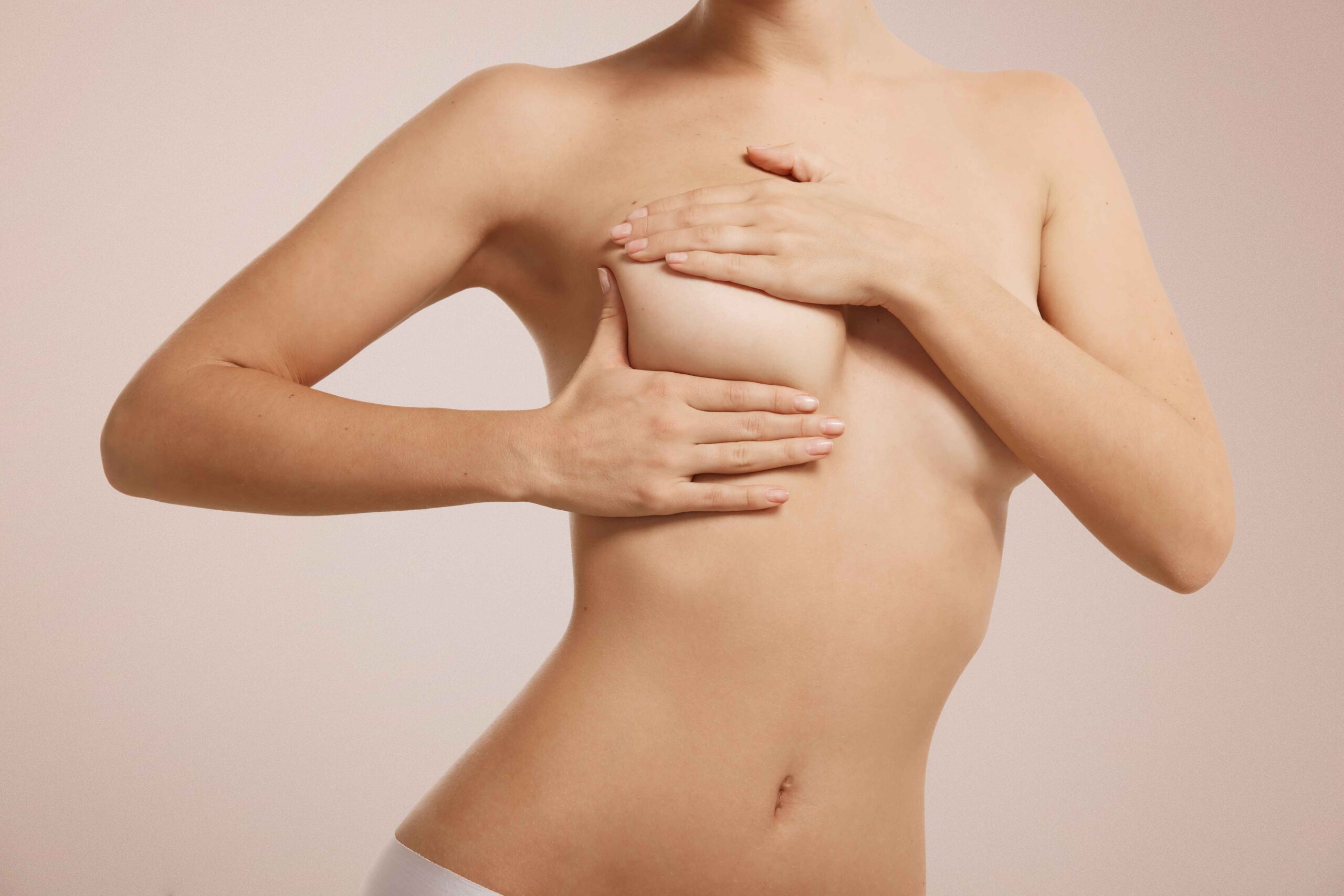
Breast Sagging After Gastric Sleeve Surgery
Significant weight loss can lead to a reduction in breast volume, loose skin, and changes in nipple position. A breast lift may be considered to reposition the breasts and remove excess skin. For patients who have experienced considerable volume loss, options such as breast implants or volume restoration using their own tissue may also be discussed following an individual assessment.
Loose Skin on the Back and Buttocks After Gastric Sleeve Surgery
Excess skin around the back, waist, and buttocks can affect the rear and side contours of the body. Depending on the patient’s anatomy, these areas may be addressed through a lower body lift or more extensive body contouring procedures.
How Is a Tummy Tuck Performed After Gastric Sleeve Surgery?
The main purpose of a tummy tuck is to remove excess abdominal skin and reshape the abdominal contour. The extent of the procedure depends on the amount of excess skin and the condition of the abdominal wall.
In suitable patients, the muscles and supporting connective tissues of the abdominal wall are also assessed. If the patient’s anatomy indicates a need for it, repair of the abdominal wall may be included in the surgical plan. Liposuction may also be used in selected cases to refine the contours, but it cannot remove significant excess skin on its own.
A tummy tuck leaves a surgical scar. Its position and length depend on the amount of skin removed and the surgical technique used.
How Are Arm Lift and Thigh Lift Procedures Performed After Gastric Sleeve Surgery?
Arm lift and thigh lift procedures aim to create more balanced contours by surgically removing excess skin from the affected areas. The location and amount of loose skin determine where the incisions are placed and how long they need to be.
These procedures leave surgical scars. More extensive skin removal may require longer incisions. For this reason, surgical planning should take into account both the expected improvement in body contour and the visibility of the resulting scars.
When Can Skin Removal Surgery Be Performed After Gastric Sleeve Surgery?
One of the most important requirements for post-bariatric body contouring is that most of the weight loss has been completed and body weight has become stable. If a patient is still losing weight, further changes may lead to additional loose skin or alter the body contours achieved through surgery.
For many patients, weight stabilisation becomes relevant around 12 to 18 months after bariatric surgery. However, this is not a fixed surgical timeline that applies to everyone. The individual’s weight-loss progress and overall condition must be taken into account.
Nutritional status should also be assessed before surgery. Blood tests may be used to investigate deficiencies in protein, iron, vitamin B12, folate, vitamin D, and other essential vitamins and minerals. Nutritional deficiencies can affect wound healing, particularly in patients who have undergone bariatric surgery. Any identified deficiencies should be addressed before surgery when necessary.
Who Is a Suitable Candidate for Skin Removal Surgery After Gastric Sleeve Surgery?
Not everyone with significant excess skin is automatically suitable for surgery. Before making a surgical decision, the patient’s weight history, current body weight, general health, and nutritional status must be evaluated together.
In general, suitable candidates may include people whose weight has stabilised, whose nutritional status is appropriate for surgery, whose health conditions that could affect recovery are under control, and who have realistic expectations. The ability to follow postoperative care instructions and attend follow-up appointments is also important.
What Are the Risks of Skin Removal Surgery After Gastric Sleeve Surgery?
Post-bariatric body contouring procedures may involve extensive surgical areas and long incisions. For this reason, each patient’s individual risk factors must be carefully assessed before surgery.
Potential complications include bleeding, infection, fluid accumulation (seroma), delayed wound healing, wound separation, circulation problems, noticeable surgical scars, and the possible need for revision surgery. Thromboembolic complications, such as deep vein thrombosis and pulmonary embolism, must also be considered during surgical risk assessment.
Protein, vitamin, and mineral deficiencies that can occur after bariatric surgery may negatively affect wound healing. Smoking and nicotine use can also impair tissue circulation and recovery, so they must be addressed before surgery.
What Is the Recovery Process Like After Skin Removal Surgery Following Gastric Sleeve Surgery?
The recovery process varies depending on the type of surgery, the number of areas treated, and the overall extent of the procedure. Pain, tenderness, swelling, and bruising may occur during the first few days. In some cases, surgical drains may be required to manage fluid accumulation.
Compression garments may be recommended to support the surgical areas and help manage swelling. The timing of returning to daily activities and exercise depends on the extent of the surgery and the progress of recovery, and should be determined by the surgeon.
Procedures involving multiple areas may be performed during the same operation or planned in stages. The most appropriate approach is determined by considering the patient’s health, total operating time, surgical risks, and recovery requirements.
Does Skin Removal Surgery After Gastric Sleeve Surgery Leave Scars?
Yes. Surgical procedures that remove excess skin leave incision scars. Their location and length depend on the procedure performed and the amount of skin removed. The patient’s skin characteristics, genetics, and wound-healing capacity can also influence how the scars look over time.
The aim of surgical planning is to position incisions as appropriately as possible while improving body contours. However, scar-free skin removal surgery is not possible. Patients should have realistic expectations about scarring before undergoing these procedures.
Are the Results of Skin Removal Surgery After Gastric Sleeve Surgery Permanent?
The excess skin removed during surgery does not grow back. However, long-term results depend on maintaining a stable weight, the natural ageing process, and individual skin characteristics. Significant weight changes or pregnancy after surgery may affect the body’s contours.
Maintaining a stable weight, following a balanced diet, and staying physically active can help support long-term results. Nevertheless, no surgical procedure can completely prevent ageing or future changes in body shape.
What Factors Affect the Cost of Skin Removal Surgery After Gastric Sleeve Surgery?
The cost of post-bariatric body contouring depends on the procedures required by each patient. A tummy tuck alone is not comparable in scope to a more extensive surgical plan involving the abdomen, arms, and thighs.
Factors that may influence the cost include the number of areas treated, whether procedures are performed in one session or in stages, the overall surgical scope, hospital and anaesthesia arrangements, the required hospital stay, and postoperative follow-up needs. An individual assessment is necessary to establish the appropriate surgical plan and provide an accurate quotation.
Why Is Careful Planning Important Before Post-Bariatric Surgery?
Body contouring after significant weight loss involves more than simply identifying areas of excess skin. The timing of weight-loss completion, how long the patient’s weight has remained stable, nutritional levels, previous surgical history, skin quality, and personal expectations must all be considered.
Op. Dr. Murat Diyarbakırlıoğlu evaluates each patient’s anatomical characteristics and general health when planning post-bariatric body contouring, taking into account which areas may need to be addressed first. When surgery is required in multiple areas, the decision to perform procedures during the same session or in stages is also made with patient safety and recovery in mind.
There is no single standard solution for loose skin after gastric sleeve surgery. The most appropriate approach is determined after weight loss has been completed and a detailed surgical assessment has been carried out.