




Why Does Swelling Occur After Surgery?
Postoperative swelling is primarily part of the body’s natural inflammatory response to surgery. During an operation, tissues are carefully manipulated or treated, and the body responds by directing fluids and immune activity toward the area as healing begins.
Several factors can contribute to postoperative edema, including surgical trauma, tissue repair, temporary changes in lymphatic circulation, fluid retention, and inflammation.
A certain degree of swelling is therefore expected after many surgical procedures. The amount and duration, however, can vary considerably depending on the type and extent of surgery and the individual patient.
How Long Does Swelling Last After Surgery?
There is no single timeline for postoperative swelling because every procedure and every patient is different.
Procedures such as rhinoplasty, liposuction, tummy tuck, breast surgery, and facelift can all have very different recovery patterns. Swelling is often most noticeable during the first days and weeks, then gradually decreases as the tissues heal.
Even when most visible swelling has subsided, smaller amounts of residual edema can remain for several weeks or months. This is particularly relevant after extensive body contouring procedures, where the tissues require more time to fully settle.
For this reason, the early postoperative appearance should not be considered the final result.
What Can Help Reduce Swelling After Surgery?
Postoperative swelling cannot always be eliminated quickly, but the recovery process can be supported by following the surgeon’s instructions carefully.
Depending on the procedure, patients may be advised to maintain gentle movement, drink enough fluids, follow a balanced diet, and use compression garments or other postoperative support as recommended.
The most important point is that recovery should follow the individual surgical plan. A technique that is appropriate after one procedure may not be suitable after another.
Does Drinking Water Help Reduce Postoperative Edema?
Staying adequately hydrated is an important part of recovery after surgery.
Adequate fluid intake supports normal circulation and helps the body maintain its fluid balance during the healing process. However, drinking more water does not directly eliminate postoperative edema and should not be considered a standalone treatment for swelling.
Patients should follow their surgeon’s recommendations regarding fluid intake, particularly if they have been given specific postoperative instructions.

Can Your Diet Affect Swelling After Surgery?
Nutrition plays an important role in tissue repair and overall recovery.
A balanced diet that provides sufficient protein, vitamins, minerals, and fluids can support the body’s healing process. Fresh fruits and vegetables can contribute important nutrients, while adequate protein provides the building blocks needed for tissue repair.
Salt intake is also worth considering. Excessive consumption of salty and highly processed foods may contribute to fluid retention in some patients, which can make swelling feel more noticeable.
What Is the Relationship Between Salt and Postoperative Swelling?
After surgery, consuming excessive amounts of salt may increase fluid retention and contribute to a greater sensation of swelling.
For this reason, patients may benefit from limiting highly processed foods, very salty meals, and products with excessive sodium during recovery.
This does not mean that salt needs to be completely eliminated. The goal is to maintain a balanced diet and follow the nutritional recommendations provided by the medical team.
Does Walking Help Reduce Swelling After Surgery?
Gentle movement can be an important part of postoperative recovery when it has been approved by the surgeon.
Light walking may support blood circulation, encourage lymphatic flow, and reduce the discomfort associated with prolonged inactivity. It can also help patients gradually return to their normal daily activities.
However, walking should not be confused with exercise. Strenuous workouts, heavy lifting, and intense physical activity should generally be avoided during the early recovery period unless specifically cleared by the surgeon.
Can Compression Garments Help Reduce Postoperative Swelling?
Compression garments are commonly incorporated into the recovery plans for procedures such as liposuction and tummy tuck surgery.
When appropriately fitted and used according to the surgeon’s instructions, compression garments can provide support to the treated tissues and contribute to postoperative edema management. They may also make movement more comfortable during the early recovery period.
The type of garment, level of compression, and duration of use should always be determined according to the procedure and the patient’s individual recovery.
Can Lymphatic Drainage Massage Help With Postoperative Edema?
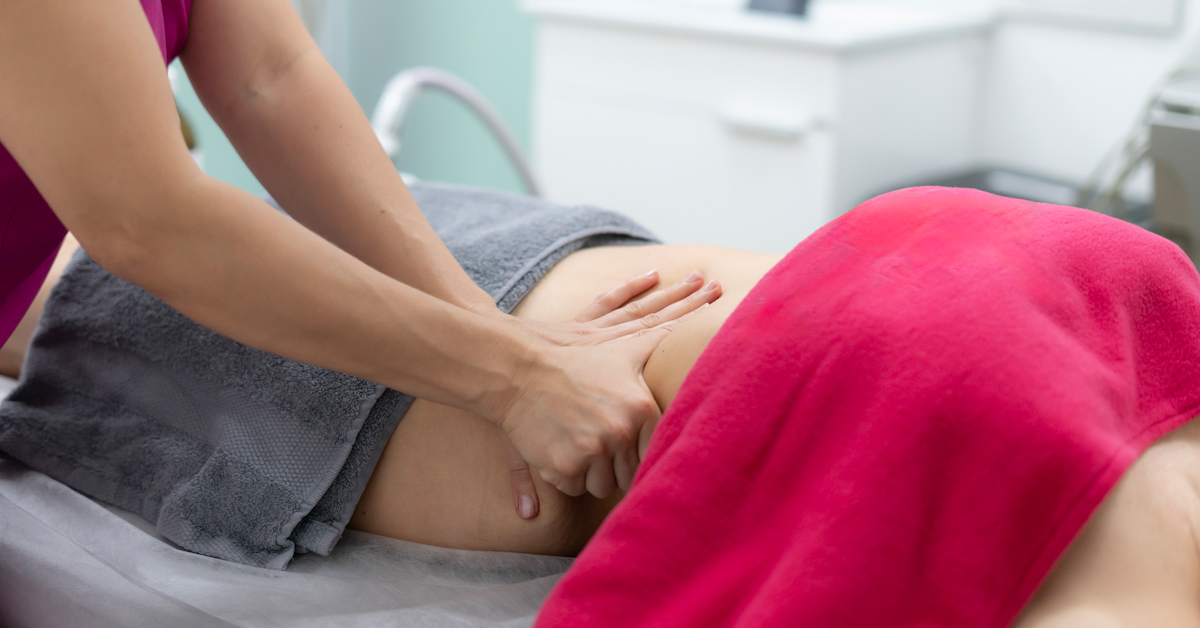
Lymphatic drainage massage may be included in the postoperative care plan for some patients, particularly after certain body contouring procedures.
When appropriately performed, it may support lymphatic circulation, help manage swelling, and improve patient comfort. However, it is not necessary for every patient.
The timing and frequency of lymphatic drainage should be determined by the surgeon. Postoperative massage should also be performed by someone experienced in working with surgical patients, as excessive pressure or inappropriate techniques may interfere with healing.
Can Cold Applications Reduce Postoperative Swelling?
In some procedures, controlled cold applications may be recommended during the early recovery period.
When approved by the surgeon, cold therapy may provide temporary relief and help reduce the sensation of swelling. However, it is not appropriate for every surgical site, and direct or excessive cold exposure can potentially damage healing tissues.
Patients should therefore only use cold applications according to their surgeon’s specific instructions.

Common Mistakes That May Increase Postoperative Swelling
Some habits can make recovery more difficult or contribute to prolonged swelling.
Ignoring postoperative instructions, returning to intense exercise too early, smoking, inadequate fluid intake, inconsistent compression garment use, and missing follow-up appointments can all interfere with the recovery process.
This is particularly important after body contouring procedures such as liposuction and tummy tuck surgery, where postoperative care plays an important role in allowing the tissues to heal and settle properly.
Does Postoperative Swelling Affect the Final Surgical Result?
Swelling can temporarily change the appearance of the treated area and make the result look uneven or different from what the patient expected.
This does not necessarily mean that something has gone wrong.
As edema gradually decreases and the tissues settle, the contours usually become clearer. Patients should therefore avoid judging the final result during the early recovery period unless their surgeon identifies a specific concern.
Healing takes time, and the timeline varies according to the procedure, the extent of surgery, and the individual patient.
When Should You Contact Your Surgeon About Swelling?
Although swelling is expected after surgery, not every change should automatically be considered normal.
Patients should contact their surgical team if they experience a sudden increase in swelling, severe or worsening pain, high fever, increasing redness, unusual discharge, or unexpected areas of significant hardness.
These symptoms may require medical assessment to determine whether they are part of normal healing or indicate a complication.
When in doubt, it is always safer to contact the surgical team rather than attempting to diagnose the problem independently.
The Importance of Patience During Recovery After Cosmetic Surgery
One of the most important parts of postoperative recovery is understanding that the body needs time to heal.
Swelling does not disappear immediately, and the final appearance of an operation may not be visible for weeks or months. Following the surgeon’s instructions, attending scheduled follow-ups, maintaining appropriate activity levels, and allowing the tissues enough time to recover can all contribute to a smoother healing process.
This is especially important after extensive body contouring procedures, where postoperative swelling can persist while the tissues gradually adapt to their new contours.