







Why Is a Compression Garment Worn After Liposuction?
Following liposuction, the body naturally responds to surgery with swelling, fluid accumulation, and temporary inflammation. A compression garment applies controlled, consistent pressure to the treated areas, helping support the healing process.
Beyond providing physical support, compression garments help patients feel more comfortable during the early stages of recovery when tissues may be sensitive and movement may feel restricted. They are considered a standard component of most liposuction aftercare protocols and are commonly recommended by plastic surgeons worldwide.
Benefits of Wearing a Compression Garment After Liposuction
One of the primary reasons compression garments are used after liposuction is to help control postoperative swelling. Swelling is a normal part of healing and can temporarily obscure the body’s new shape. By supporting the tissues and helping manage fluid accumulation, compression garments may contribute to a more predictable recovery process.
Patients often report feeling more secure and supported while wearing their garment, particularly during the first weeks after surgery. Compression may also help tissues heal more evenly and support skin adaptation to newly contoured areas.
Potential benefits include:
- Supporting postoperative swelling management
- Providing gentle support to healing tissues
- Enhancing comfort during movement
- Assisting skin adaptation to body contours
- Supporting a smoother recovery process
Individual experiences vary, and results depend on multiple factors including surgical technique, anatomy, and adherence to postoperative instructions.
How Long Should You Wear a Compression Garment After Liposuction?
One of the most common questions patients ask is how long they will need to wear their compression garment. The answer depends on several factors, including the extent of liposuction performed, the areas treated, the volume of fat removed, and the individual’s healing response.
Some patients may require longer periods of compression than others. For this reason, there is no universal timeline that applies to every case. Your surgeon will provide recommendations based on your procedure and recovery progress.
The most important factor is following your surgeon’s instructions rather than comparing your recovery timeline with someone else’s.
How Many Hours Per Day Should a Compression Garment Be Worn?
During the early stages of recovery, patients are typically advised to wear their compression garment for most of the day. As healing progresses and swelling gradually decreases, garment usage may be adjusted according to the surgeon’s recommendations.
The transition to reduced wear is usually individualized and based on healing milestones rather than fixed dates. Regular follow up appointments allow your surgeon to evaluate recovery and determine whether any changes are appropriate.
What Happens If You Don’t Wear a Compression Garment?
Compression garments are prescribed for a reason. Failing to wear them as recommended may affect the recovery process and can potentially lead to prolonged swelling or less comfortable healing.
Without proper support, tissues may take longer to settle and adapt following surgery. Some patients may also experience increased discomfort during movement in the early recovery period.
Although compression garments do not create the surgical result themselves, they help support the conditions necessary for optimal healing and contour development.
Choosing the Right Compression Garment
Not all compression garments are the same. Selecting the correct garment is important for both comfort and recovery.
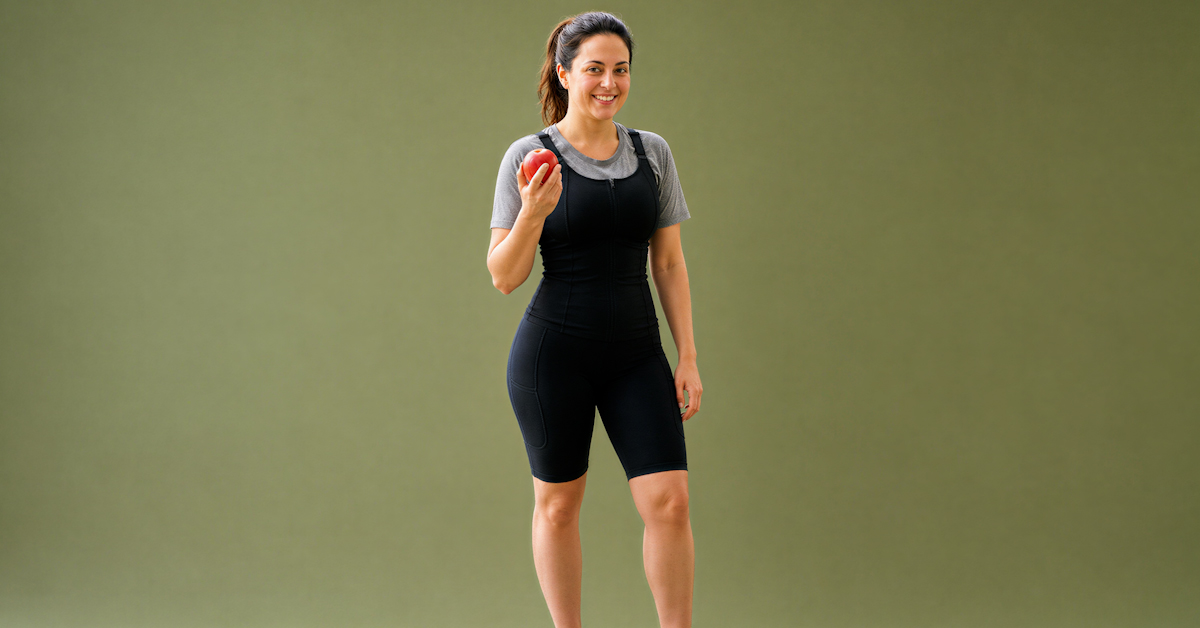
A properly fitted compression garment should provide consistent support without being excessively tight. Overly restrictive garments may cause discomfort and could interfere with circulation, while garments that are too loose may not provide adequate support.
When selecting a compression garment, factors to consider include:
- The area treated during surgery
- Appropriate sizing and fit
- Breathable, comfortable materials
- Consistent but gentle compression
- Ease of daily wear and maintenance
Most surgeons provide specific recommendations regarding the type of garment best suited for each procedure.

What Are Stage 1 and Stage 2 Compression Garments After Liposuction?
Compression garments used after liposuction are often designed to support different stages of recovery. For this reason, patients may hear the terms Stage 1 garment and Stage 2 garment during their post operative journey.
A Stage 1 compression garment is typically worn during the early recovery period. At this stage, swelling, tenderness, and fluid retention are usually more noticeable. These garments are designed to provide support while maintaining comfort during the initial healing phase.
As recovery progresses, some patients may transition to a Stage 2 compression garment. These garments may provide a different level of compression and support as the tissues continue to heal and adapt to their new contours.
Because every patient’s recovery is unique, the timing and duration of Stage 1 and Stage 2 garment use should always be determined by the operating surgeon. The most appropriate garment depends on factors such as the extent of the procedure, the treatment areas, and individual healing progress.
Can Patients Switch from a Stage 1 to a Stage 2 Garment?
In some cases, surgeons may recommend transitioning from a Stage 1 garment to a Stage 2 garment as swelling decreases and healing progresses. This transition is intended to support recovery while helping the body adapt to its new shape. However, not every patient follows the same timeline, and garment recommendations should always be personalized according to the surgeon’s post operative protocol.
Tips for Wearing a Compression Garment After Liposuction
Patients often adapt quickly to wearing their garment, but proper usage remains important throughout recovery.
To maximize comfort and support healing:
- Wear the garment as directed by your surgeon
- Ensure the fit remains snug but comfortable
- Maintain good hygiene and garment cleanliness
- Attend all scheduled follow up appointments
- Report any unusual discomfort to your surgical team
Small adjustments in postoperative care can have a meaningful impact on the overall recovery experience.
The Relationship Between Compression Garments and Swelling
Swelling is expected after liposuction and often fluctuates during recovery. While compression garments do not eliminate swelling entirely, they can help support the body’s natural healing response.
Patients frequently notice that swelling is more manageable when compression garments are worn consistently. As healing progresses, swelling gradually subsides and body contours become increasingly visible.
It is important to remember that final results develop over time. Temporary swelling can persist for weeks or even months, depending on the extent of surgery.
Can Compression Garments Be Combined With Lymphatic Drainage Massage?
In some cases, surgeons may recommend combining compression garment use with postoperative lymphatic drainage massage. These approaches can complement each other when incorporated into a personalized recovery plan.
Lymphatic drainage massage is designed to support fluid movement and may help patients feel more comfortable during healing. However, timing and suitability vary from patient to patient, and any massage treatment should only be initiated with surgeon approval.
Recovery plans should always be individualized rather than based on generalized recommendations.
Do Compression Garments Affect Final Liposuction Results?
Compression garments do not replace surgical skill, nor do they directly create the final contour. However, they can play a supportive role in the healing process by helping tissues settle and adapt following surgery.
As swelling decreases and tissues mature, patients begin to see their new body contours emerge more clearly. Consistent adherence to postoperative instructions, including compression garment use, contributes to a smoother recovery journey and may support overall satisfaction with results.
Common Myths About Compression Garments After Liposuction
Several misconceptions exist regarding postoperative compression.
One common myth is that tighter compression automatically leads to better results. In reality, excessive pressure can cause discomfort and may not improve healing.
Another misconception is that wearing a compression garment for longer than recommended will enhance outcomes. Recovery is a biological process, and more compression is not always better.
It is also incorrect to assume that all patients require the same garment or recovery protocol. Every procedure and every patient is unique, which is why personalized postoperative guidance is so important.
Post Liposuction Recovery in Turkey
Turkey has become one of the leading destinations for body contouring procedures, including liposuction. In addition to experienced surgeons and modern medical facilities, comprehensive postoperative care plays an important role in the patient experience.
Recovery plans often include compression garment guidance, routine follow up assessments, and individualized recommendations based on the patient’s procedure and healing progress. For international patients, structured aftercare can be particularly valuable in supporting a comfortable recovery before returning home.