







When Is Liposuction Considered for Lipedema Treatment?
Liposuction is generally considered when symptoms continue despite conservative treatment measures. Compression garments, physical activity, manual lymphatic drainage, and lifestyle modifications may help manage swelling and discomfort, but they do not remove the abnormal fat tissue associated with lipedema.
Patients experiencing persistent pain, tenderness, mobility limitations, or a significant impact on their quality of life may benefit from a surgical evaluation. Since every case is unique, the decision to proceed with liposuction should always be based on a comprehensive consultation and individualized treatment plan.
What Is the Difference Between Conservative Treatment and Liposuction?
Conservative treatment focuses on symptom management rather than fat removal. Compression therapy, lymphatic support treatments, regular exercise, and healthy lifestyle habits may help reduce discomfort, support circulation, and improve daily function.
Liposuction offers a different approach. Rather than focusing solely on symptom control, the procedure aims to reduce the volume of lipedema affected fat tissue. For this reason, conservative treatments and liposuction are often viewed as complementary rather than competing options. Many patients continue certain conservative therapies even after surgery as part of their long term management plan.
Our Approach to Lipedema Treatment at MD Aesthetics
At MD Aesthetics, we understand that lipedema treatment is about far more than appearance. Our priority is to carefully assess each patient’s symptoms, anatomy, lifestyle, and treatment goals to develop a personalized surgical plan.
During the consultation process, Dr. Murat Diyarbakırlıoğlu performs a detailed evaluation of the affected areas and discusses the patient’s concerns and expectations. The goal is not only to reduce excess fat tissue but also to help improve comfort, mobility, and overall quality of life while maintaining natural body proportions.
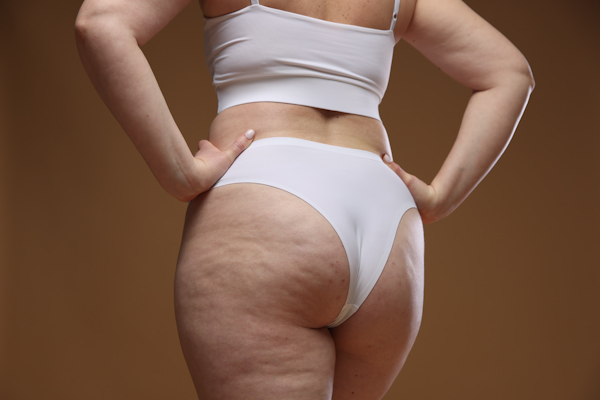
Which Liposuction Techniques Are Used for Lipedema?
The most appropriate liposuction technique depends on the patient’s anatomy, the extent of the condition, and the treatment objectives.
VASER Liposuction
VASER technology uses ultrasound energy to selectively target fat tissue before removal. This approach may allow for more controlled fat extraction while helping preserve surrounding structures. For some patients, VASER technology can contribute to a smoother recovery experience and more precise contouring.
MicroAire Assisted Liposuction
MicroAire assisted liposuction utilizes specialized vibrating cannulas designed to facilitate the removal of fat tissue with enhanced precision. This advanced technology allows surgeons to work more efficiently while helping minimize trauma to surrounding blood vessels, nerves, and lymphatic structures.
For many lipedema patients, MicroAire technology can be a valuable tool in achieving a more controlled and effective treatment process.
The choice of technique is always determined following a detailed medical assessment and consultation.
How Is Lipedema Surgery Performed?
Before surgery, a thorough examination and treatment plan are developed based on the areas affected by lipedema and the patient’s overall goals.
During the procedure, lipedema affected fat tissue is carefully removed from the targeted areas using specialized liposuction techniques. The aim is to reduce the volume of diseased fat tissue while improving body contours and preserving important surrounding structures.
The extent of surgery varies depending on the number of treatment areas and the severity of the condition. In some cases, treatment may be performed in multiple stages to optimize safety and outcomes.
Recovery After Lipedema Liposuction
Recovery varies from patient to patient. Swelling, bruising, tenderness, and temporary discomfort are common during the initial healing period.
Patients are typically encouraged to begin gentle walking soon after surgery to support circulation and recovery. Over the following weeks, swelling gradually decreases and daily activities can be resumed according to the surgeon’s recommendations.
While some improvements may be noticeable early on, final results often continue to develop over several months as the tissues settle and heal.
Compression Garments After Lipedema Surgery
Compression garments are an important component of post operative care following lipedema liposuction. They may help support the treated tissues, assist with swelling management, and contribute to a more comfortable recovery process.
Many patients begin with a Stage 1 compression garment during the early stages of healing when swelling is at its highest. As recovery progresses, patients may transition to a Stage 2 compression garment, which typically provides continued support while offering greater comfort for longer term wear.
The type of garment and duration of use should always be determined by your surgeon based on your individual recovery process.
The Role of Lymphatic Drainage Massage
In some patients, lymphatic drainage massage may be incorporated into the recovery plan after surgery. This specialized technique is designed to support lymphatic circulation and may assist with swelling management during the healing process.
Some patients also find that lymphatic drainage massage helps improve comfort and reduce feelings of tightness. However, it is not necessary for every patient, and the timing and frequency of treatment should always be determined by the surgeon.
Expected Results After Liposuction
Many patients report improvements in symptoms such as heaviness, tenderness, discomfort, and mobility limitations following lipedema surgery.
In addition to symptom relief, patients may notice more balanced body proportions and improved contour in the treated areas. However, results vary between individuals, and no surgical procedure can guarantee a specific outcome.
Long Term Lipedema Management
It is important to understand that lipedema is a chronic condition. Although liposuction can significantly reduce the volume of affected fat tissue and improve symptoms, ongoing management remains important.
Maintaining a healthy lifestyle, engaging in regular physical activity, attending follow up appointments, and following your surgeon’s recommendations can help support long term results. Some patients may also benefit from ongoing compression therapy depending on their individual circumstances.
Successful long term management often involves a combination of surgical treatment and healthy lifestyle habits.
Risks and Potential Complications
As with any surgical procedure, lipedema liposuction carries certain risks.
Potential complications may include infection, bleeding, temporary numbness, prolonged swelling, contour irregularities, asymmetry, or the need for revision surgery. While complications are uncommon when surgery is performed by an experienced surgeon, patients should fully understand the potential risks before proceeding.
These considerations will be discussed in detail during your consultation.
Lipedema Treatment in Turkey
Turkey has become one of the leading destinations for patients seeking advanced body contouring procedures and lipedema treatment. Experienced surgeons, modern medical facilities, and comprehensive patient care services attract individuals from around the world.
At MD Aesthetics, we provide personalized support throughout every stage of the patient journey, from the initial consultation and treatment planning to post operative care and recovery guidance.
Factors Affecting the Cost of Lipedema Surgery
The cost of lipedema treatment varies depending on several factors, including the number of areas being treated, the complexity of the procedure, the techniques used, and the patient’s individual treatment requirements.
Because every treatment plan is unique, an accurate quotation can only be provided following a detailed medical assessment and consultation.