




Can You Smoke After Plastic Surgery?
Smoking after plastic surgery is strongly discouraged because it can interfere with the body’s natural healing process. Following surgery, the tissues need an adequate supply of blood and oxygen to repair themselves. Smoking can make this process more difficult.
Nicotine causes blood vessels to constrict, reducing blood flow to the surgical area. Carbon monoxide in cigarette smoke also interferes with the blood’s ability to carry oxygen. When healing tissues receive less oxygen, they may struggle to repair themselves effectively.
This can increase the risk of delayed wound healing, infection and wound separation. In more serious cases, reduced circulation can contribute to tissue damage or tissue necrosis. The effects are not necessarily limited to the first few days after surgery, as wound healing continues over several weeks.
For this reason, patients are generally advised to avoid smoking throughout the recovery period and follow their surgeon’s specific instructions. Ideally, quitting tobacco permanently is the most beneficial option for both surgical recovery and long-term health.
How Does Smoking Affect Wound Healing?
Wound healing is a complex biological process involving several stages. After surgery, the body works to control bleeding, manage inflammation and produce new tissue. These processes depend on adequate oxygen supply, healthy circulation and the activity of cells responsible for tissue repair.
Smoking can interfere with several of these mechanisms. Nicotine narrows blood vessels, which may reduce the amount of blood reaching the incision. Carbon monoxide binds to haemoglobin, making it more difficult for the blood to transport oxygen to the tissues.
Smoking can also affect the body’s inflammatory response and the activity of fibroblasts, which are cells involved in producing collagen. Collagen is an essential structural protein that helps repair and strengthen healing tissue. When these processes are disrupted, wounds may take longer to heal and may be more vulnerable to complications.
In plastic surgery, healthy wound healing matters for more than simply closing an incision. It also contributes to the quality of the final aesthetic result. The way surgical incisions heal can influence the appearance of scars over time.
Can Smoking Damage Stitches After Surgery?
Smoking does not directly damage the suture material itself. However, it can affect the tissue that the stitches are holding together. For the edges of an incision to heal properly, the surrounding tissue needs sufficient blood flow and oxygen.
When circulation is compromised, the wound edges may take longer to join. This can increase the risk of wound separation, infection and delayed healing. These concerns are particularly important in procedures involving longer incisions or areas where the skin is under greater tension.
It is also important to understand that having stitches removed does not mean the wound has completely healed. The skin may appear closed on the surface while deeper tissues are still repairing and gaining strength. Patients should not assume that smoking is safe simply because their stitches have been removed.
Does Smoking Make Surgical Scars Worse?
The appearance of a surgical scar depends on several factors, including genetics, skin characteristics, surgical technique, wound tension and the healing process. Smoking can negatively affect some of these processes and may contribute to poorer scar quality in certain patients.
Delayed healing, wound infection and wound separation can all influence how a scar develops. Reduced circulation and impaired tissue repair may also affect collagen formation and the way the wound matures.
However, smoking does not mean that every patient will inevitably develop more visible scars. The outcome varies from person to person. Avoiding smoking is one of the steps patients can take to reduce preventable risks and give their tissues better conditions in which to heal.
What Are the Risks of Smoking After Plastic Surgery?
Smoking can affect several aspects of postoperative recovery. Delayed wound healing and surgical site infections are among the most recognised concerns. Reduced blood circulation can also contribute to wound separation and, in some cases, tissue necrosis.
These risks can be particularly significant in procedures where the blood supply to repositioned skin or soft tissue needs to be carefully maintained. Smoking may also increase the risk of respiratory and cardiovascular complications associated with surgery and anaesthesia.
The level of risk varies according to the type of operation, the patient’s general health, smoking history and exposure to nicotine. Smoking does not mean that complications will definitely occur, but it is a modifiable risk factor that should be taken seriously.
Which Plastic Surgery Procedures Are More Affected by Smoking?
Smoking is a concern after all types of surgery, but certain procedures require particular attention because they involve extensive tissue movement or depend on maintaining a healthy blood supply to specific areas.
Smoking After a Tummy Tuck
A tummy tuck, also known as abdominoplasty, involves removing excess skin and, when appropriate, repositioning the remaining abdominal tissues. Because relatively large areas of skin and soft tissue are involved, maintaining adequate blood circulation is essential.
Smoking can reduce blood flow to the abdominal area and interfere with wound healing. This may increase the risk of delayed healing, wound separation and skin necrosis. For this reason, smoking after a tummy tuck is a particularly important concern, and patients are generally expected to follow strict smoking cessation instructions.
Smoking After a Breast Lift or Breast Reduction
Breast lift and breast reduction procedures involve reshaping breast tissue and repositioning the skin. In many cases, the nipple and areola are also moved to a new position. Maintaining their blood supply is therefore essential.
Smoking can compromise circulation and potentially affect nipple and areola healing. It may also increase the risk of delayed incision healing, wound separation and, in more serious cases, tissue loss.
Because of these considerations, avoiding nicotine is especially important for patients undergoing procedures that involve repositioning the nipple-areola complex.
Smoking After Breast Augmentation
Smoking after breast augmentation can affect incision healing and increase the risk of general surgical complications, particularly infection and delayed wound healing.
It would not be accurate to suggest that smoking directly causes every implant-related complication. However, problems such as infection or poor wound healing can affect the implant and the overall surgical result. Patients planning breast augmentation should therefore discuss all smoking and nicotine use with their surgeon before the procedure.
Smoking After Rhinoplasty
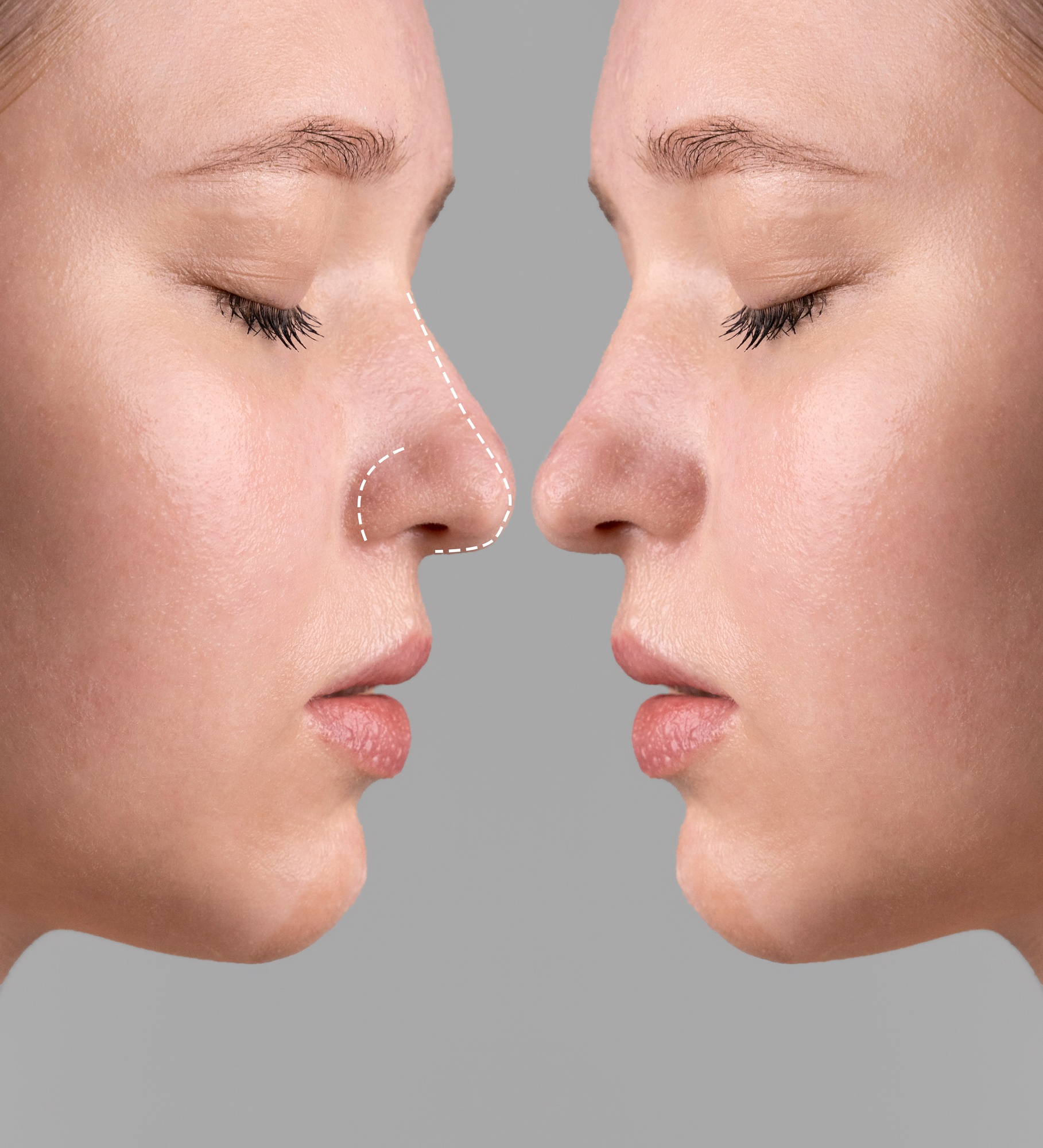
Following rhinoplasty, the tissues inside and outside the nose need time to recover. Smoking may interfere with circulation and tissue repair, while also affecting respiratory health.
Smoking does not necessarily mean that the final rhinoplasty result will be compromised in every patient. However, avoiding tobacco products during recovery can help support the healing process and reduce preventable risks.
Smoking After a Facelift
A facelift involves repositioning facial skin and underlying tissues. Maintaining adequate blood supply to the repositioned skin is particularly important for preserving tissue health.
Because nicotine can constrict blood vessels, smoking may increase the risk of wound healing problems and skin necrosis after a facelift. Patients considering facial rejuvenation surgery should discuss smoking cessation as part of their preoperative preparation.
When Should You Stop Smoking Before Plastic Surgery?
Patients planning plastic surgery are generally advised to stop smoking as early as possible before their procedure. Quitting before surgery gives the body time to recover from some of the harmful effects of smoking and may help reduce postoperative complications.
The World Health Organization reports that patients who stop smoking approximately four weeks or more before surgery have a lower risk of complications and better postoperative outcomes. Evidence also suggests that longer periods without smoking can provide additional benefits.
However, the recommended period is not identical for every patient or procedure. Depending on the extent of surgery, the patient’s health and the surgeon’s assessment, a longer period without nicotine may be required.
It is important to be honest about smoking habits during the preoperative consultation. Patients should disclose how frequently they smoke and whether they use other nicotine-containing products, including electronic cigarettes or nicotine replacement products. This information helps the surgical and anaesthesia teams assess individual risks and plan appropriately.
How Long After Surgery Can You Smoke Again?
There is no single number of days after surgery when smoking becomes safe for everyone. The appropriate period depends on the procedure, the size and location of the incisions, the patient’s general health and how well the tissues are healing.
An incision that looks closed on the surface does not necessarily mean that the deeper tissues have fully recovered. Tissue repair and scar maturation continue after the initial wound closure, particularly following procedures involving larger areas of skin.
For this reason, patients should not decide independently when to start smoking again. They should follow their surgeon’s instructions and avoid cigarettes and other nicotine products for the recommended period. Ideally, surgery can also be an opportunity to quit smoking permanently.
Is Smoking Just One Cigarette After Surgery Harmful?
It is not possible to say that smoking one cigarette will automatically cause a surgical complication. However, even a single cigarette exposes the body to nicotine and other substances that can temporarily affect circulation and oxygen delivery.
The idea that one cigarette cannot make a difference is therefore misleading, particularly during the early stages of wound healing. Repeated exposure may further interfere with the conditions tissues need to recover.
If you have smoked after surgery, do not hide this information from your surgical team. A single cigarette does not mean that a complication will necessarily develop, but being honest allows your care team to advise you appropriately. The best next step is to avoid further smoking and follow your postoperative instructions.
Are E-Cigarettes and Hookah Harmful After Surgery?
Products used as alternatives to traditional cigarettes should not automatically be considered safe after plastic surgery. Electronic cigarettes, hookah and heated tobacco products may still expose the body to nicotine or other substances that can affect health and recovery.
Many e-cigarettes contain nicotine, which can constrict blood vessels and potentially compromise circulation to healing tissues. Hookah and heated tobacco products also expose users to harmful substances, even when they are perceived as less harmful than conventional cigarettes.
There is still limited clinical evidence on the specific surgical risks of every alternative product. However, the absence of extensive research does not establish that these products are safe during recovery. Patients should disclose all tobacco and nicotine use to their surgeon rather than simply replacing cigarettes with another product.
Can You Use Nicotine Patches or Gum After Plastic Surgery?
Nicotine patches and gum are commonly used as part of smoking cessation programmes. Unlike cigarettes, they do not expose the user to carbon monoxide and the many other substances produced by tobacco combustion. However, they still deliver nicotine into the body.
The use of nicotine replacement therapy around the time of plastic surgery requires individual assessment. Nicotine itself can affect blood vessels, and plastic surgery guidance advises surgeons to consider nicotine exposure from sources other than cigarettes, including patches and vaping products.
Patients should not automatically assume that nicotine patches or gum are either completely safe or universally prohibited. If you are struggling to stop smoking, discuss available cessation options with your surgeon and the healthcare professional managing your smoking cessation treatment. The most appropriate approach will depend on your procedure and individual circumstances.
Does Quitting Smoking Help You Recover Faster After Surgery?
Quitting smoking can improve the conditions needed for healing and reduce the risk of certain postoperative complications. Once smoking stops, the body begins to recover from some of its effects on circulation and oxygen delivery.
Stopping before surgery is particularly beneficial. The World Health Organization reports that quitting approximately four weeks before an operation is associated with a lower risk of complications. Continuing to avoid smoking after surgery also helps protect the tissues while wound healing is still underway.
Of course, quitting smoking does not eliminate every possible complication. Surgical technique, general health, nutrition and postoperative care all contribute to recovery. Nevertheless, avoiding tobacco and nicotine is one of the most important steps patients can take to reduce preventable risks.
Can Smokers Have Plastic Surgery?
Smoking does not automatically mean that a person can never undergo plastic surgery. However, it is an important factor in determining whether a patient is suitable for a procedure and whether surgery should be postponed.
During the preoperative assessment, the surgeon may consider how many cigarettes the patient smokes each day, how long they have smoked, whether they use other nicotine products and their overall health. The type and extent of the planned operation are also important.
Some patients may be asked to stop smoking for a specific period before surgery. In procedures where healthy circulation and wound healing are particularly important, the surgeon may recommend postponing elective surgery until nicotine use has been stopped.
The aim is not to exclude patients unnecessarily, but to reduce avoidable risks and create the best possible conditions for a safe recovery.
How Can You Support Wound Healing After Plastic Surgery?
Avoiding smoking and nicotine products is an important part of postoperative care, but it is not the only factor that supports healing. The body also needs adequate nutrition, hydration and appropriate wound care.
A balanced diet with sufficient protein provides essential building blocks for tissue repair. Patients should follow their surgeon’s instructions regarding medications, dressings, activity restrictions and wound care. Attending scheduled follow-up appointments is equally important, as these allow the surgical team to monitor healing and identify potential concerns.
If you notice increasing redness, worsening pain, unusual discharge, fever or separation along the incision, contact your healthcare team promptly. These symptoms may require medical assessment rather than waiting for the next routine appointment.
Every patient recovers differently. Following the instructions provided by your own surgical team is therefore more important than relying on general recovery timelines.