







The Evolution of Aesthetic Surgery: A 2026 Perspective
The era of one size fits all beauty standards is officially over. In 2026, aesthetic surgery is built around personalized anatomical planning, functional and natural results, technology assisted clinical decision making, and multidisciplinary collaboration. This shift has transformed both how surgeons operate and how patients define successful outcomes.
Aesthetic procedures are now tailored not only to physical anatomy, but also to lifestyle, age, and long term aesthetic goals.
Key Aesthetic Surgery Trends in 2026
Personalized Aesthetics
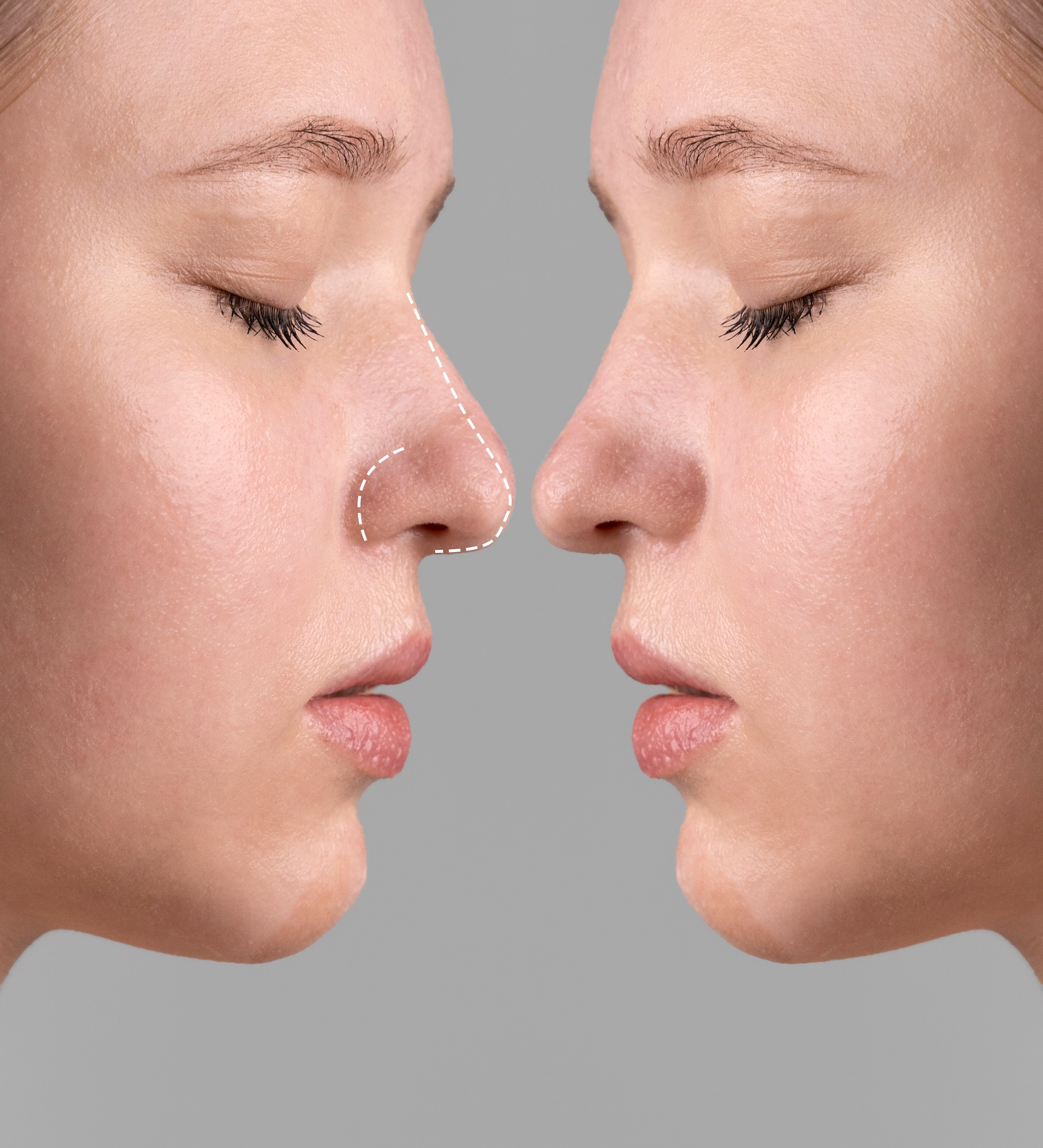
Personalized aesthetics sits at the core of cosmetic surgery 2026 trends. Advanced 3D body analysis, facial simulations, and AI assisted surgical planning allow procedures to be customized at an unprecedented level. Patient specific implants, individualized fat distribution strategies, and anatomy preserving techniques are becoming standard practice.
This approach marks a clear departure from standardized procedures toward bespoke aesthetic strategies.

Minimal Invasive and Hybrid Treatments
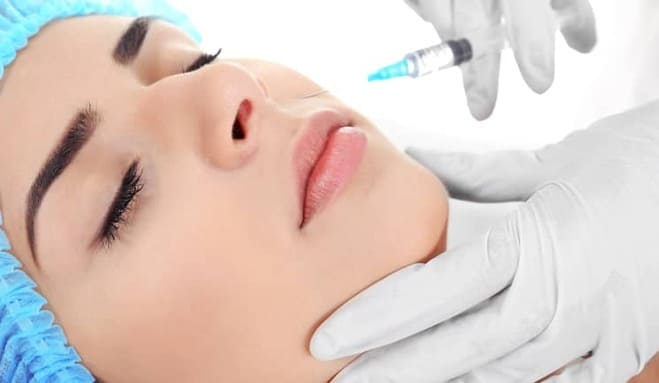
Patients in 2026 increasingly seek maximum results with minimal surgical intervention. As a result, hybrid treatments combining surgery with non surgical aesthetic procedures are gaining popularity. Smaller incisions, reduced tissue trauma, and faster recovery times play a central role in treatment decisions.
Minimal invasive cosmetic surgery is no longer a trend, but an expectation.
High Definition Techniques and Natural Results
High definition body contouring continues to grow in demand, particularly techniques that respect muscle anatomy and enhance natural contours. Both male and female patients prefer results that appear refined rather than exaggerated.
The shift toward natural looking aesthetic surgery reflects broader changes in social perception and patient awareness.
Artificial Intelligence and Digital Technologies
Artificial intelligence in aesthetic surgery is transforming preoperative planning and patient safety. AI powered facial and body analysis, outcome prediction models, and complication risk assessment tools support surgeons in delivering more predictable results.
Rather than replacing surgeons, AI enhances clinical accuracy and patient satisfaction.
Energy Based Technologies
Advanced energy based devices such as VASER, laser, and radiofrequency systems play an increasingly important role in cosmetic surgery 2026. These technologies support fat reduction, skin tightening, and tissue quality improvement, either as standalone treatments or as surgical adjuncts.
Technology is not replacing surgery, but amplifying its effectiveness.

Aesthetic Procedures Gaining Popularity in 2026
Demand is shifting from isolated procedures to comprehensive treatment plans. High definition liposuction, combined body contouring techniques, revision aesthetic surgery, male cosmetic procedures, and natural facial rejuvenation are among the most requested treatments.
Patients increasingly value long term aesthetic planning over single interventions.
Changing Patient Expectations
The 2026 aesthetic surgery patient is more informed, more analytical, and significantly less tolerant of unnecessary risk. Transparency, education, and process management are just as important as final results. Clinics must invest in clear communication, realistic expectation setting, and structured consultation pathways.
Safety, Ethics, and Regulations
As new technologies emerge, safety standards in aesthetic surgery continue to tighten. Enhanced patient selection, advanced preoperative assessments, data privacy, and ethical marketing practices have become essential components of responsible cosmetic surgery.
In 2026, safety is not a competitive advantage. It is a baseline requirement.

The Future of Aesthetic Surgery: Strategic Insights for Clinics
Modern aesthetic surgery is no longer just a medical service. It is a fully managed patient experience. Clinics that invest in advanced technology, outcome predictability, multidisciplinary teams, and international patient coordination will lead the future of cosmetic surgery.