





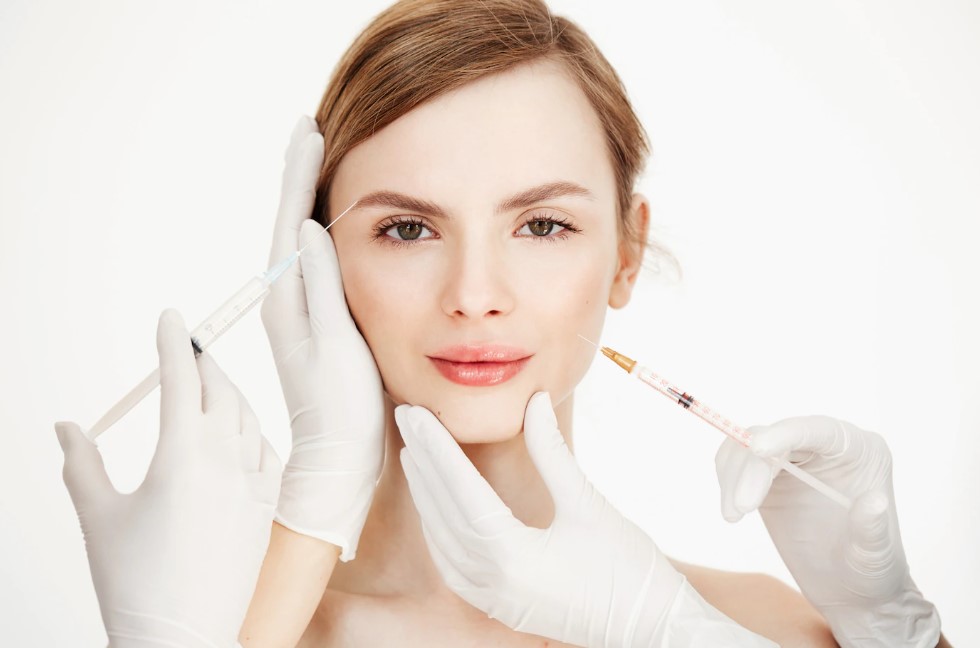


What Is Botox?
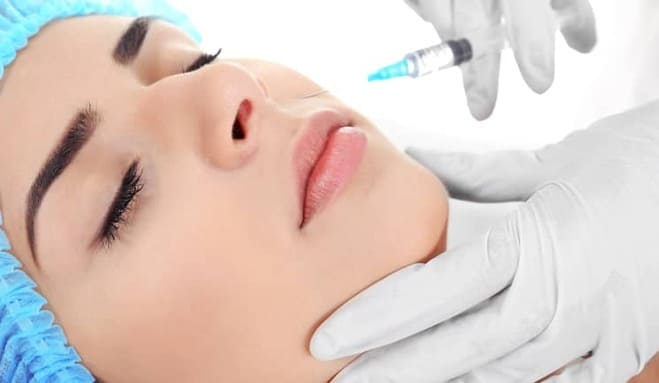
The medical name for Botox is Botulinum Toxin Type A. This substance works by temporarily blocking nerve signals to targeted muscles, thereby reducing muscle contraction. In aesthetic applications, this mechanism softens expression lines, diminishes the appearance of wrinkles, and restores a more youthful and dynamic facial expression.
Botox is not limited to cosmetic purposes. It is also an effective treatment option for various medical conditions, including excessive sweating (hyperhidrosis), migraine attacks, certain movement disorders, and teeth clenching (bruxism).
Aesthetic Applications of Botox

Masseter Botox: Slimming the Jawline
One of the most popular Botox applications in recent years is masseter Botox. Excessive development of the jaw muscles can create a square or broader facial appearance. By administering Botox injections into the masseter muscle, the muscle activity is reduced, allowing the lower face to appear slimmer and more contoured.
Beyond its aesthetic benefits, masseter Botox also provides therapeutic value. It is an effective treatment option for patients experiencing nighttime teeth grinding, jaw pain, and temporomandibular joint (TMJ) disorders.
Pre-Treatment Preparation for Botox
Before undergoing Botox treatment, certain precautions should be considered:
-
Blood-thinning medications and supplements (such as aspirin or vitamin E) should be discontinued after consulting with your physician.
-
Botox is not recommended for pregnant or breastfeeding individuals.
-
If there is an active infection or skin condition in the treatment area, the procedure should be postponed.
This preparation phase helps ensure a safer procedure and enhances the overall effectiveness of the treatment.
Post-Botox Recovery Process
-
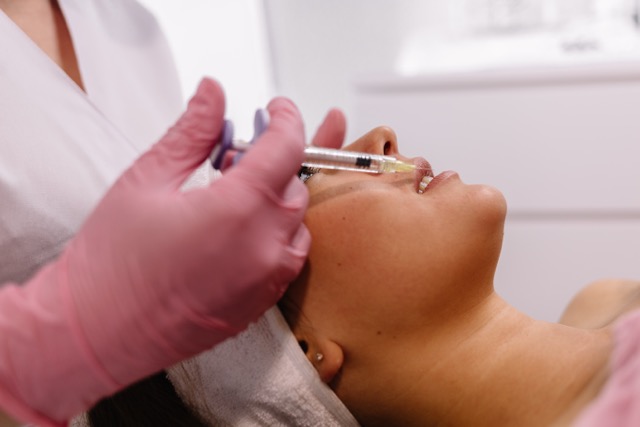
The procedure is typically completed within 10–15 minutes, and patients can return to their normal daily activities the same day. However, to ensure natural and long-lasting results, certain post-treatment guidelines should be followed.
During the first 24 hours:
-
Avoid massaging or rubbing the treated areas.
-
Do not lie face down.
-
Refrain from sauna, steam rooms, and intense physical exercise.
Most patients begin to notice the effects of Botox within 3–5 days, with full results becoming visible around 10–14 days. While the duration of effect varies individually, results generally last between 4–6 months.
-
Possible Side Effects and Risks
Botox Complications and the Importance of Choosing the Right Physician
Examples often described online as “Botox complications” highlight how treatments performed without proper expertise can lead to undesirable outcomes. Incorrect dosing, inaccurate injection points, or the use of unregulated products may result in an unnatural, frozen, or artificial facial expression.
Preventing such complications begins with selecting a reputable clinic and an experienced physician. Receiving treatment from a specialist with advanced anatomical knowledge and refined aesthetic judgment—such as Dr. Murat Diyarbakırlıoğlu—ensures both safety and results that remain natural and balanced.
Botox Procedure Results


