










A Lower Body Lift is a comprehensive body contouring procedure designed to correct sagging skin and tissue deformities, most commonly seen after significant weight loss. The surgery typically targets areas such as:
-
Lower abdomen
-
Buttocks
-
Waistline
-
Upper thighs
By removing excess skin and reshaping the underlying tissues, the procedure provides a circumferential (360-degree) improvement of the lower body. Rather than being a localized correction, it focuses on restoring overall proportion, firmness, and body harmony.

Who Is a Suitable Candidate?
A Lower Body Lift may be appropriate for individuals who:
-
Have experienced major weight loss following bariatric surgery (gastric sleeve, gastric bypass, etc.)
-
Have lost 40 kg (≈ 88 lbs) or more through diet and exercise
-
Show reduced skin elasticity but maintain good general health
-
Experience discomfort, hygiene challenges, or clothing limitations due to excess skin
Final eligibility should always be determined through a detailed surgical consultation, including assessment of skin quality, fat distribution, and medical history.
How Is the Procedure Performed?
A Lower Body Lift is performed under general anesthesia and usually takes 4–6 hours, depending on the extent of correction. The surgical stages generally include:
-
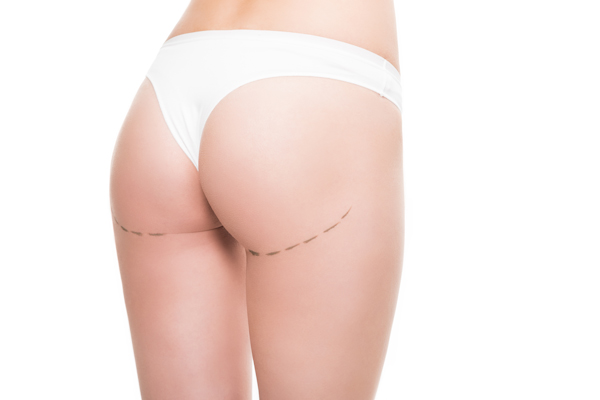
Preoperative marking and incision planning
-
Removal of excess skin and redundant tissue
-
Reshaping and tightening of subcutaneous structures
-
Optional liposuction for contour refinement
-
Closure with aesthetic sutures and specialized dressings
Postoperative hospitalization of 1–3 days may be recommended based on patient recovery and surgical scope.
Recovery Process and Results
Although recovery varies individually, the typical course includes:
-
First 2 weeks: Rest and continuous use of a medical compression garment
-
Early phase: Gentle walking encouraged to support circulation
-
Initial weeks: Swelling, bruising, and temporary tightness are expected
-
Weeks 4–6: Gradual return to normal daily activities
-
3–6 months: Final body contour becomes fully visible
Routine follow-up visits are essential for monitoring healing and optimizing scar management.

Benefits and Potential Risks
Benefits:
-
Noticeable tightening of the lower body
-
Removal of excess, sagging skin
-
Improved clothing fit and physical comfort
-
Enhanced body image and confidence
Potential Risks:
- Temporary numbness or sensory changes
-
Swelling and bruising
-
Infection or wound healing complications
-
Visible scarring
-
Anesthesia-related risks
When performed by an experienced plastic surgeon with appropriate patient selection and postoperative care, complication rates can be significantly minimized.
Lower Body Lift vs. Belt Lipectomy
- Belt Lipectomy: Involves a full circumferential incision addressing the abdomen and waist extensively
-
Lower Body Lift: Primarily focuses on regions below the waist, including the buttocks and upper thighs
The choice between procedures depends on anatomical needs and surgical objectives.
Patient Experience
Following a Lower Body Lift, patients frequently report:
-
A more sculpted, youthful silhouette
-
Increased comfort in movement and clothing
-
Improved self-confidence
For many individuals after massive weight loss, this procedure represents the final step in completing their physical transformation.
In summary, a Lower Body Lift is a highly effective surgical solution for restoring lower body contours after major weight loss. A personalized evaluation by a qualified plastic surgeon is crucial to determine suitability and ensure optimal outcomes.