











What Is Gynecomastia?
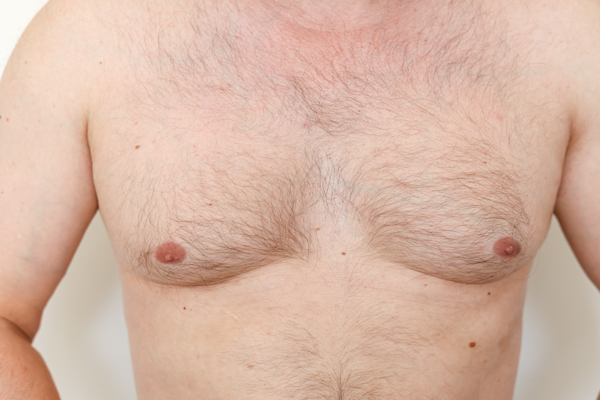
Gynecomastia refers to the enlargement of glandular breast tissue in males. It develops due to an imbalance between estrogen and testosterone levels.
Key characteristics include
True gynecomastia involves glandular tissue, not just fat
It may affect one or both breasts
It can be symmetrical or asymmetrical
It can occur during different life stages
Gynecomastia is different from chest fat accumulation. Excess fat alone is called pseudogynecomastia and requires a different treatment approach. This distinction is critical when planning gynecomastia treatment or gynecomastia surgery.

Causes of Gynecomastia
Gynecomastia develops when estrogen activity outweighs androgen activity in male breast tissue. The most common causes include the following.
Hormonal Changes
Puberty related hormonal fluctuations
Age related testosterone decline
Medical Conditions
Liver disease
Kidney failure
Thyroid disorders
Hypogonadism
Medications and Substances
Anabolic steroids
Certain antidepressants
Anti androgen medications
Alcohol and recreational drugs
Weight Gain
Obesity can increase estrogen production and worsen male breast enlargement, often masking true gynecomastia.
Identifying the underlying cause is essential for selecting the correct gynecomastia treatment strategy.
Gynecomastia vs Chest Fat: Understanding the Difference
Not all male chest enlargement is gynecomastia.
Gynecomastia
Firm or rubbery tissue
Located directly beneath the nipple
May be tender or sensitive
Chest Fat
Soft fatty tissue
Diffuse chest fullness
No glandular component
This difference cannot always be determined visually. A physical examination and imaging may be required to distinguish gynecomastia vs chest fat accurately.
Diagnosis: How Gynecomastia Is Evaluated
A correct diagnosis is the foundation of safe and effective treatment. Evaluation typically includes
A detailed medical history
A focused physical examination
Hormonal blood tests when indicated
Ultrasound or mammography in selected cases
Diagnosis confirms whether gynecomastia surgery is appropriate or whether non surgical management should be considered.
When Is Treatment Necessary?
Gynecomastia treatment is usually recommended when
The condition persists beyond puberty
Physical discomfort or pain is present
Psychological distress affects quality of life
Lifestyle changes do not improve the condition
Early assessment prevents unnecessary delays and supports better outcomes.

Non Surgical Treatment Options
In select cases, non surgical approaches may be considered
Observation during puberty
Hormonal regulation under medical supervision
Lifestyle changes such as weight control and substance avoidance
However, established glandular tissue rarely resolves without surgery. For persistent cases, gynecomastia surgery remains the most reliable option.
Surgical Treatment for Gynecomastia
Surgery is the definitive treatment for long standing gynecomastia.
Surgical techniques may include
Excision of glandular tissue
Liposuction for excess fat
Combined techniques for optimal chest contour
The surgical plan is individualized based on tissue composition, skin quality, and chest anatomy.
For detailed information about gynecomastia surgery, click here.
Recovery and Post Operative Expectations
Recovery after gynecomastia surgery depends on the extent of the procedure.
Typical recovery timeline includes
Mild swelling and bruising during the first weeks
Use of a compression garment for several weeks
Return to desk work within five to seven days
Gradual return to exercise after three to four weeks
Final gynecomastia surgery results become visible over two to three months.
Long Term Results and Recurrence
Gynecomastia surgery offers long lasting results when
Glandular tissue is fully removed
Hormonal balance remains stable
Weight is maintained
Steroid or drug use is avoided
Recurrence is rare when the underlying causes of gynecomastia are properly addressed.

Risks and Safety Considerations
Gynecomastia surgery is safe when performed by an experienced surgeon. As with any procedure, potential risks include
Temporary swelling or bruising
Asymmetry
Scar formation
Temporary changes in nipple sensation
Strict adherence to surgical safety protocols significantly reduces complications.
Choosing the Right Surgeon
The success of gynecomastia treatment depends heavily on surgeon expertise. A qualified surgeon should provide
Accurate diagnosis
Personalized treatment planning
Aesthetic understanding of male chest proportions
Clear discussion of risks and realistic outcomes
A patient focused approach is essential for natural looking and balanced results.