


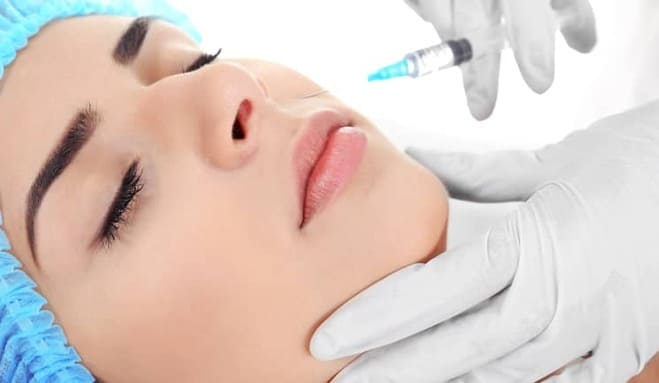



Although Botox is widely known for reducing wrinkles, it actually has a much broader range of applications in both aesthetic and medical practice. Botox works by administering small doses of a substance called botulinum toxin, which temporarily blocks the communication between nerves and muscles. By preventing muscle contractions, it helps soften the appearance of wrinkles. However, its uses are not limited to facial rejuvenation. So, what else can Botox be used for?
Areas of Botox Use
1. Wrinkles and Signs of Aging
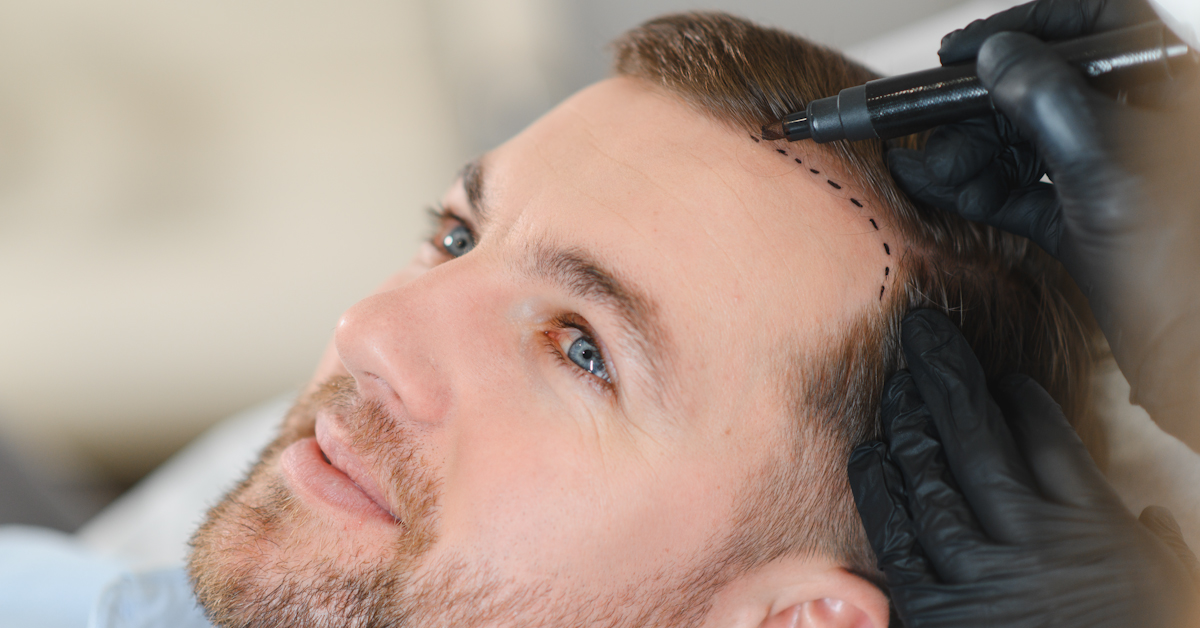
The most common use of Botox is to reduce expression lines that develop over time. Deep lines in areas such as the forehead, around the eyes, and between the eyebrows can be effectively minimized with Botox injections. Because these wrinkles can create a tired or aged appearance, Botox remains popular for its rejuvenating effect.
2. Excessive Sweating (Hyperhidrosis)
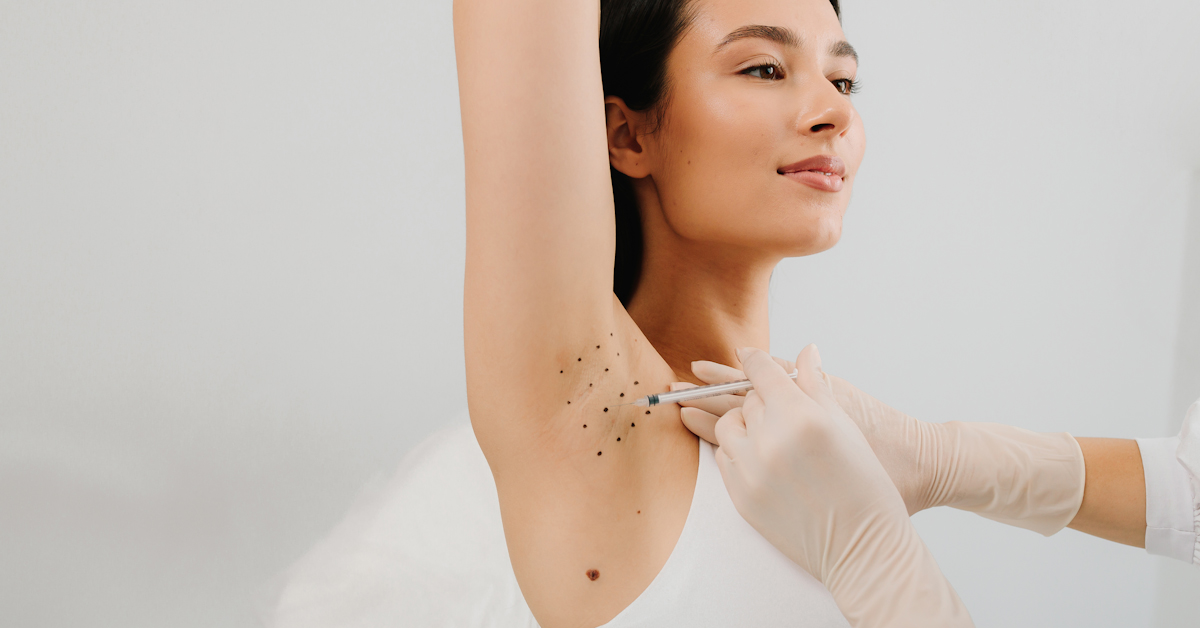
Botox can also be used to manage excessive sweating. It works by temporarily blocking the activity of sweat glands. Common treatment areas include the underarms, hands, and feet, where sweating can be significantly reduced.
3. Migraine Treatment
Numerous studies indicate that Botox can help relieve migraine symptoms. Injections administered in specific points around the head and neck may reduce the frequency and severity of migraine attacks. This can be particularly beneficial for patients experiencing chronic migraines.
4. Teeth Grinding and Jaw Muscle Relaxation
Botox is frequently used to relax the jaw muscles. In individuals with bruxism (teeth grinding), this application can decrease muscle tension, helping to prevent jaw pain and dental damage. It may also contribute to a more refined jawline aesthetically.
5. Brow Lift
Botox can create a subtle brow lift without surgery. By relaxing targeted muscles around the eyes, the eyebrows can assume a naturally elevated position, resulting in a fresher and more youthful expression.
6. Gummy Smile (Excessive Gum Display)
For individuals concerned about excessive gum visibility when smiling, Botox can help. By limiting the upward movement of the upper lip, Botox provides a more balanced and harmonious smile.

Advantages of Botox
Botox is a non-surgical, quick, and effective procedure. The recovery period is minimal, and most patients can immediately return to their daily activities. Since the effects are temporary, patients retain flexibility to repeat or discontinue treatment as desired.
Risks and Considerations
While Botox is generally considered safe, side effects may occur if not properly administered. Mild bruising, swelling at the injection site, or temporary discomfort can be observed. Therefore, treatment should always be performed by an experienced medical professional. Additionally, Botox is not recommended during pregnancy or breastfeeding.
Conclusion
Botox is not solely a wrinkle treatment; it is a versatile solution for various aesthetic and medical concerns. For personalized guidance and a treatment plan tailored to individual needs, consultation with a qualified physician is essential.