






What Is Botox?
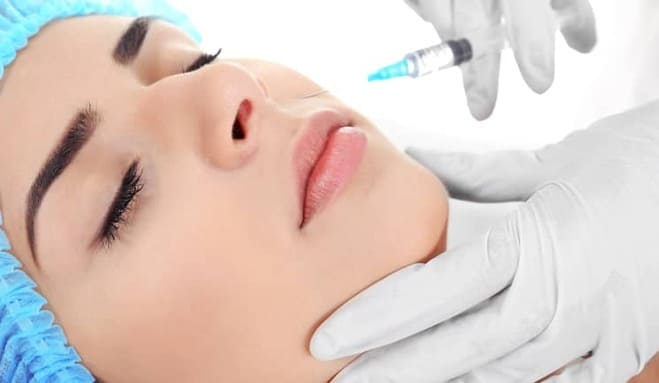
The medical name of Botox is Botulinum Toxin Type A. This neurotoxic protein temporarily blocks the communication between nerves and muscles, preventing muscle contractions.
In aesthetic use, this controlled muscle relaxation helps to reduce wrinkles, soften facial lines, and create a younger, refreshed appearance.
Botox isn’t limited to cosmetic purposes — it’s also highly effective in the treatment of excessive sweating (hyperhidrosis), migraines, muscle tics, and jaw clenching (bruxism).

Aesthetic Uses of Botox
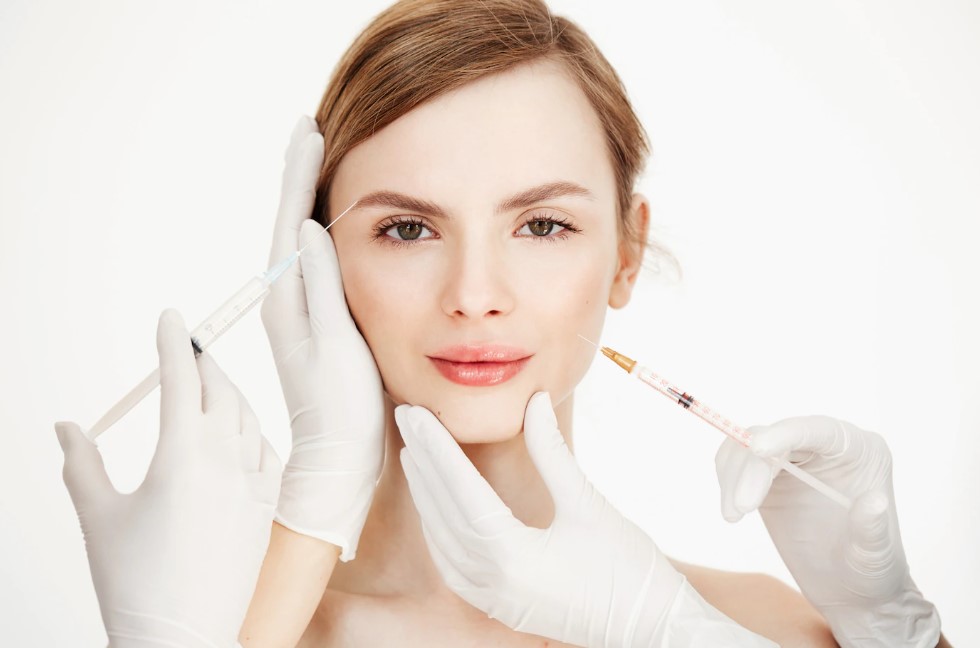
The most common areas for Botox application include:
-
Forehead lines
-
Frown lines (between the eyebrows)
-
Crow’s feet (around the eyes)
-
Bunny lines (sides of the nose)
-
Upper lip fine lines
-
Chin and masseter area
-
Neck lines – also known as “Botox Turkey Neck” or “Nefertiti Botox”
In addition to reducing wrinkles, these applications help achieve a more balanced, lifted, and youthful facial contour.
Masseter Botox – Facial Slimming and Jawline Definition
Masseter Botox is one of the most popular aesthetic applications in recent years.
In patients with overdeveloped jaw muscles, the face may appear wide or square-shaped. Injecting Botox into the masseter muscles relaxes the area, giving the face a more slender and V-shaped contour.
Medically, it also provides relief for jaw tension, teeth grinding, and TMJ pain.
Botox for Turkey Neck – Neck Rejuvenation and Nefertiti Lift
As we age, the neck muscles (platysma) tend to tighten and pull the skin downward, creating what’s commonly known as a “turkey neck.”
Botox for turkey neck—also referred to as the Nefertiti Lift—helps relax these muscles, smooth out neck lines, and lift the jawline.
The result is a refined neck contour and a more defined lower face, without surgery.
This turkey neck botox technique has become one of the most requested non-surgical rejuvenation procedures in Turkey, especially among women over 35.
Preparation Before Botox
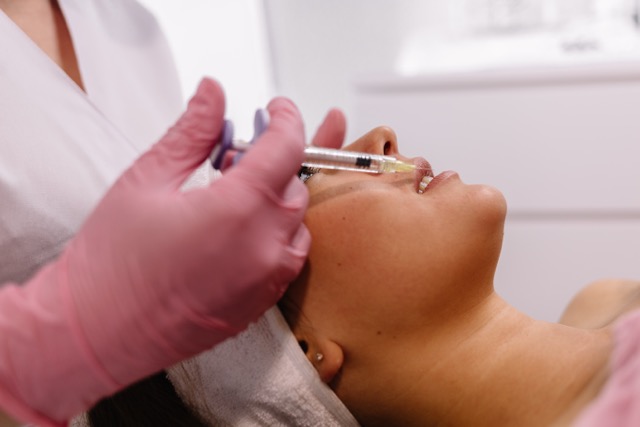
Before receiving Botox injections, several precautions should be taken:
-
Avoid blood thinners and supplements (such as aspirin or vitamin E) after consulting your doctor.
-
Botox is not recommended for pregnant or breastfeeding women.
-
If there’s any infection or skin irritation at the injection site, treatment should be postponed.
Following these steps helps ensure a safe and effective treatment experience.
After the Procedure – Recovery and Care
A Botox session usually takes 10–15 minutes, and patients can return to daily activities the same day.
However, for best and most natural results, a few key rules should be followed within the first 24 hours:
-
Avoid touching or massaging the treated area.
-
Do not lie face down.
-
Avoid sauna, steam room, and intense physical activity.
Results typically start to appear within 3–5 days, with full effects visible after 10–14 days.
The duration of results varies but generally lasts 4–6 months.
Possible Side Effects and Risks
When performed by an experienced professional, Botox is a safe and predictable procedure.
However, mild and temporary side effects may occur, such as:
-
Redness or minor bruising at the injection site
-
Temporary swelling
-
Mild headache
In rare cases, improper technique may lead to eyebrow drooping or facial asymmetry — which is why it’s essential to choose a qualified and experienced physician.
Avoiding Botox Disasters – Choosing the Right Doctor
The internet is full of “Botox gone wrong” cases, usually resulting from unqualified practitioners or counterfeit products.
Incorrect dosing or poor injection technique can cause frozen facial expressions or unnatural results.
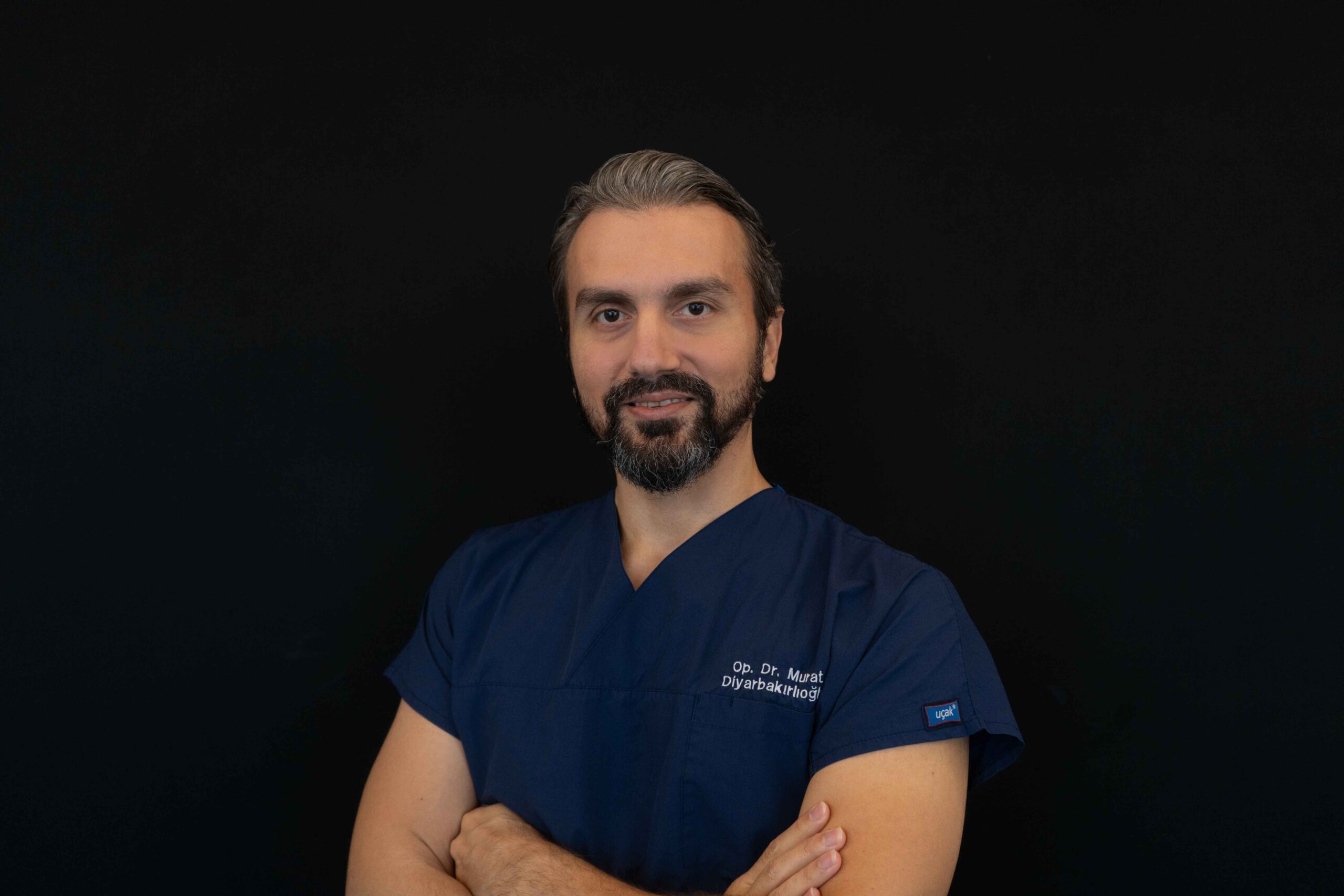
To avoid these risks, always choose a trusted and certified clinic, such as Dr. Murat Diyarbakırlıoğlu’s MD Aesthetics, known for expertise and patient safety.
Common Botox Brands in Turkey
The most widely used and FDA-approved Botox brands include:
-
Botox® – the original and most recognized brand
-
Dysport® – known for faster onset
-
Xeomin® – purified formulation minimizing allergy risk
The choice of product depends on each patient’s needs, as determined by the treating physician.