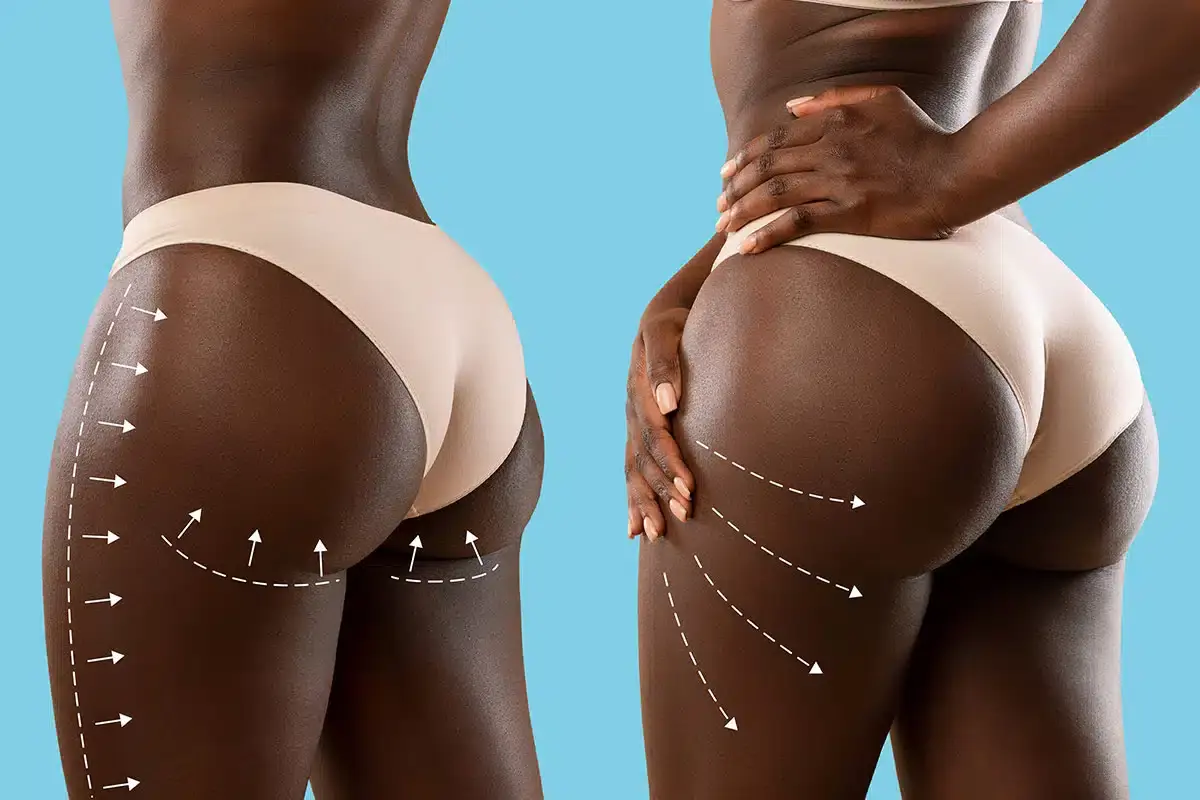






BBL is an aesthetic surgical method that aims to reshape buttock volume and body proportions by transferring fat tissue taken from specific areas of the body to the buttock area.


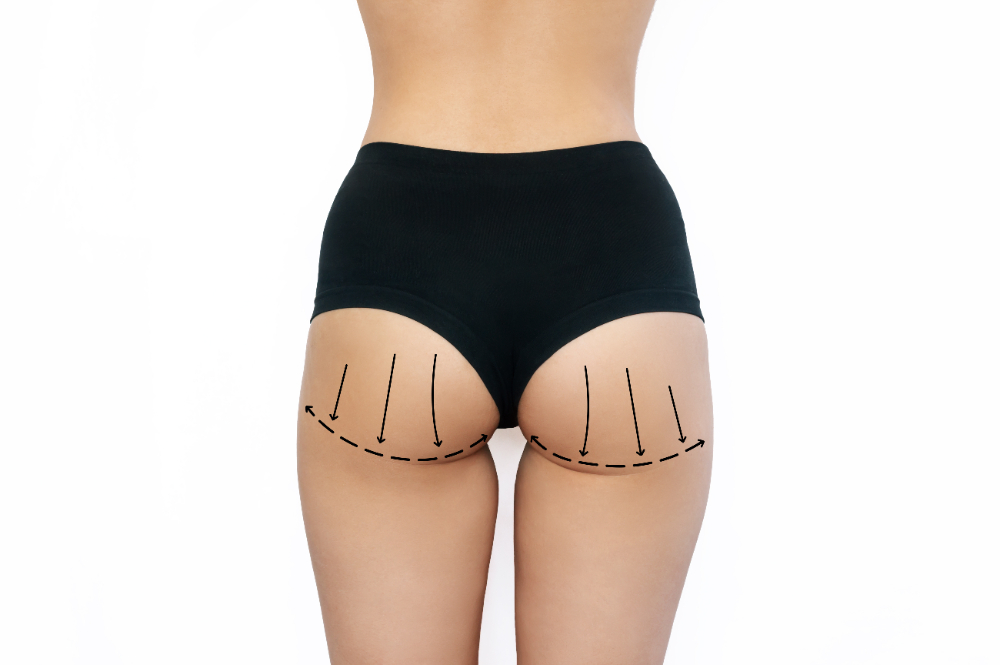
The goal in buttock augmentation is not only to increase volume but also to make the ratio between the waist and hips more harmonious. BBL, liposuction, and other surgical options are planned individually according to the patient's anatomy.

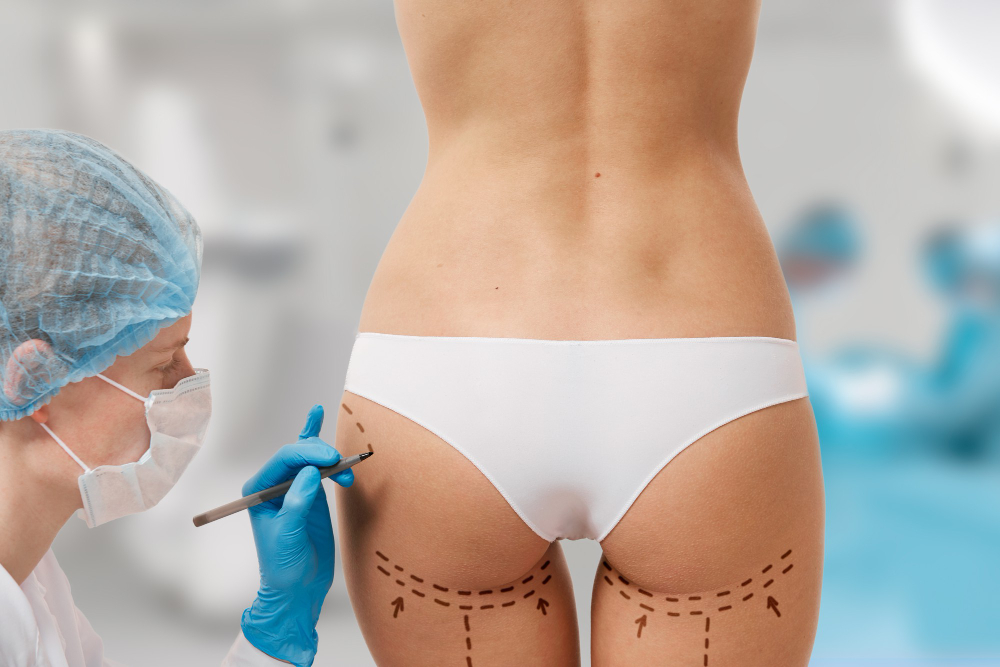

European Board of Plastic Reconstructive Aesthetic Surgeons
International Society of Aesthetic Plastic Surgery

Turkish Society of Plastic, Reconstructive and Aesthetic Surgery

Aesthetic Plastic Surgery Association
What Is Buttock Aesthetic Surgery?
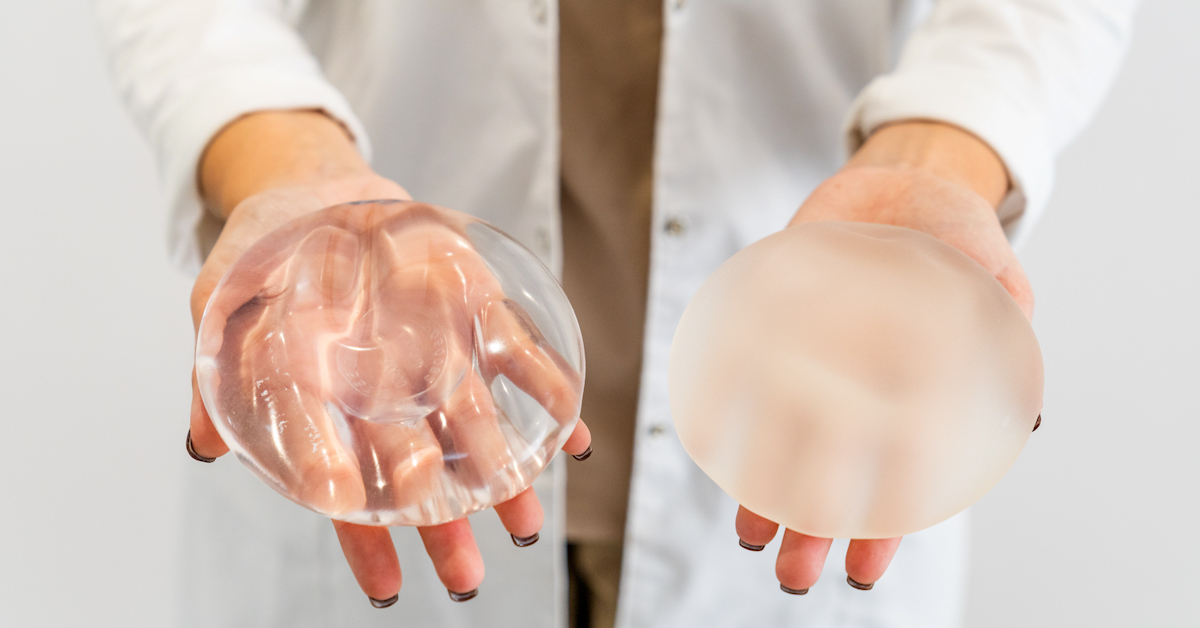
Buttock aesthetic surgery refers to surgical procedures designed to reshape the buttocks by addressing concerns such as insufficient volume, flattening, sagging, asymmetry, or disproportion between the waist and hips. Depending on the patient’s anatomy and treatment goals, buttock reshaping may involve liposuction, fat transfer with BBL (Brazilian Butt Lift), buttock implants, or a combination of selected techniques.
A Brazilian Butt Lift, commonly known as BBL, uses the patient’s own fat to enhance and reshape the buttocks. Fat is first removed from suitable donor areas such as the abdomen, waist, flanks, or back through liposuction. After appropriate preparation, selected fat is transferred to the buttock area according to the surgical plan.
For international patients researching BBL in Turkey, treatment should not focus solely on increasing buttock volume. Waist-to-hip proportions, available donor fat, skin quality, buttock anatomy, general health, and realistic expectations all need to be evaluated together.
What Is a Brazilian Butt Lift (BBL)?
BBL is a fat-transfer-based body contouring procedure. Unlike buttock augmentation with implants, the procedure uses the patient’s own fat tissue to modify buttock volume and contour.
The operation generally consists of two main components:
- Liposuction to remove fat from suitable areas of the body
- Preparation and transfer of selected fat to the buttock area
Liposuction itself also contributes to the overall result. Reducing localized fat around the waist, abdomen, back, or flanks can change the relationship between the waist and buttocks, helping create a more proportionate silhouette.
Patients considering a Brazilian Butt Lift in Turkey should therefore receive an individualized body contouring assessment rather than choosing the procedure according to a predefined buttock size or shape.
Who Is a Suitable Candidate for BBL?
BBL may be considered for individuals who would like to improve buttock volume or shape and have sufficient donor fat for transfer.
Potential candidates may include people who:
- Experience flattening or loss of volume in the buttocks
- Have asymmetry or disproportion in the buttock area
- Want greater definition between the waist and hips
- Have sufficient fat deposits suitable for harvesting
- Have a relatively stable body weight
- Are in general health suitable for elective surgery
- Have realistic expectations about fat retention, shape, scars, and recovery
- Can follow postoperative positioning and follow-up recommendations
BBL is not a weight-loss procedure. It is a body contouring operation, and the amount of fat that can be transferred safely depends on individual anatomy and surgical assessment.
Patients considering BBL in Istanbul should undergo a detailed medical consultation before surgery to assess their health history, previous procedures, medications, body composition, and suitability for fat transfer.
Preparation Before BBL Surgery
Preoperative preparation is an important part of BBL surgery. The patient’s general health, previous operations, current medications, supplements, smoking status, and relevant medical history should be reviewed before the procedure.
Preparation may include:
- Following the surgeon’s recommendations regarding smoking and nicotine use
- Reviewing blood-thinning medications and supplements under medical supervision
- Maintaining adequate nutrition and hydration
- Informing the medical team about existing conditions and previous surgeries
- Planning postoperative assistance, accommodation, and transportation
- Understanding positioning and mobility recommendations for the recovery period
International patients travelling for BBL in Türkiye should also plan enough time for preoperative evaluation and postoperative follow-up rather than arranging their return journey immediately after surgery.
How Is BBL Surgery Performed?
BBL surgery is generally performed under anesthesia, with the exact anesthetic and surgical plan determined according to the extent of liposuction and fat transfer.
First, liposuction is performed on selected donor areas such as the abdomen, flanks, waist, or back. This stage removes localized fat while also reshaping the surrounding body contour.
The harvested fat is then prepared for transfer. The amount and distribution of transferred fat are determined according to the patient’s anatomy, tissue characteristics, and desired proportions.
The purpose of BBL is not simply to create a larger buttock. Surgical planning considers the relationship between the waist, hips, back, and buttocks to create an outcome that is proportionate to the patient’s overall physique.
BBL Safety and Fat Transfer Technique
Safety is a particularly important consideration in gluteal fat transfer. BBL carries specific risks that should be discussed openly before surgery, including the rare but serious risk of fat embolism.
Current international plastic surgery safety recommendations emphasize keeping injected fat within the subcutaneous tissue above the gluteal muscle fascia. Real-time ultrasound guidance is also supported by major plastic surgery organizations to help the surgeon visualize the position of the cannula during fat injection.
Patients researching BBL in Turkey or BBL in Istanbul should ask how the surgical plan addresses fat-transfer safety, where the procedure will be performed, who will perform the critical steps of surgery, and how postoperative complications are managed.
No aesthetic goal should take priority over safe anatomical limits.
Buttock Aesthetic Surgery Techniques
BBL With Fat Transfer
BBL uses the patient’s own fat for buttock augmentation and contouring. It may be suitable for individuals who have adequate donor fat and want both liposuction and buttock reshaping within the same surgical plan.
The final volume depends partly on how much transferred fat survives after healing. Not all transferred fat is expected to remain permanently, and the degree of fat retention varies between patients.
Liposuction for Buttock Contouring
Some patients may achieve greater buttock definition without requiring a large increase in buttock volume.
Liposuction of the waist, flanks, lower back, or adjacent areas can alter the surrounding contours and make the buttocks appear more defined. The areas selected for liposuction should be determined according to the patient’s individual fat distribution and body proportions.
Buttock Implants
Buttock implants may be considered in selected patients who do not have sufficient donor fat or whose treatment goals cannot be achieved appropriately through fat transfer alone.
Implant-based buttock augmentation has its own surgical considerations, risks, recovery characteristics, and eligibility criteria. The choice between fat transfer and implants should therefore be made after an individualized surgical evaluation.
What Results Can Be Expected From BBL?
The intended outcome of BBL varies from patient to patient. Rather than pursuing one standardized buttock shape, treatment planning should reflect the patient’s anatomy and overall body proportions.
Depending on the individual surgical plan, BBL may aim to:
- Increase buttock volume
- Improve projection or roundness
- Reduce visible asymmetries
- Improve the transition between the waist and hips
- Refine donor areas through liposuction
- Create more proportionate body contours
Patients considering BBL in Türkiye should understand that the final outcome depends on factors including existing anatomy, available donor fat, skin quality, healing characteristics, weight stability, and the proportion of transferred fat that remains after recovery.
Recovery After BBL Surgery
Recovery after BBL involves both the areas treated with liposuction and the buttock area receiving the fat transfer.
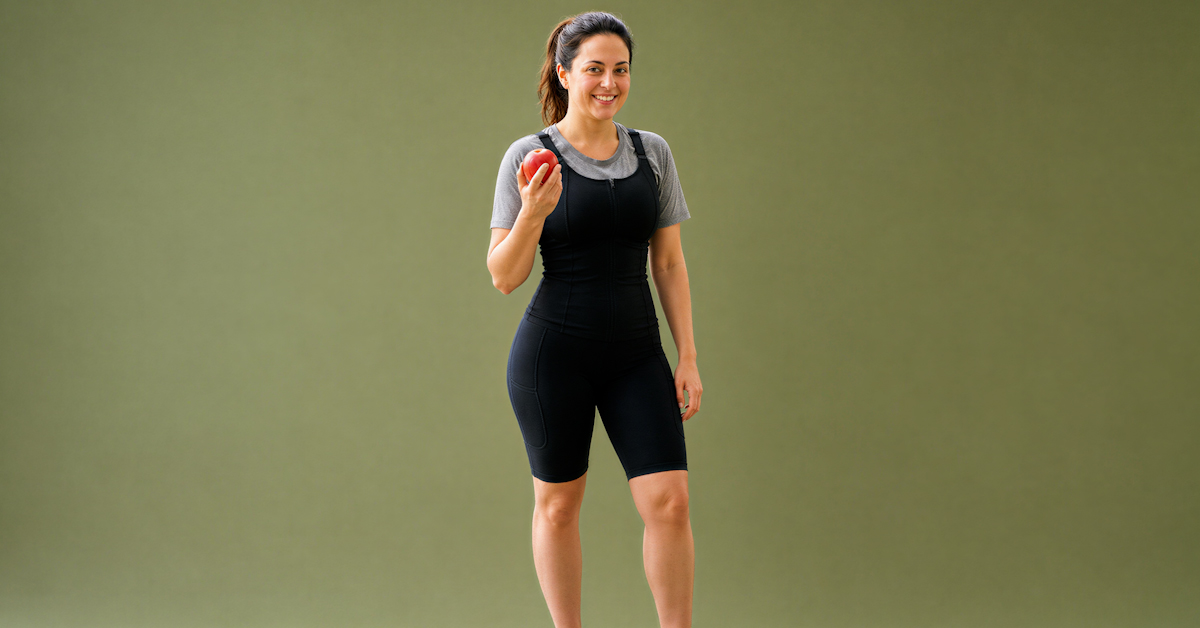
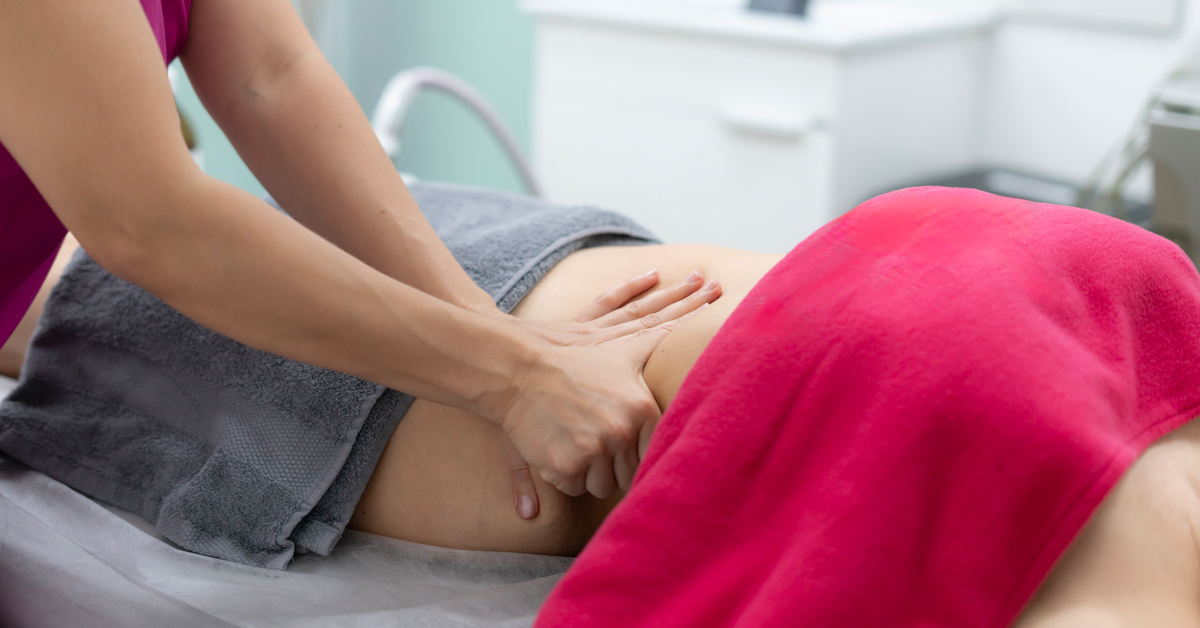
Swelling, bruising, tenderness, and temporary changes in sensation can occur during the early recovery period. Compression garments may be recommended for liposuction areas according to the surgeon’s postoperative protocol.
Pressure on the buttocks may need to be limited during the initial healing period. Instructions regarding sitting, sleeping position, walking, and use of supportive cushions should be individualized according to the surgeon’s recommendations.
Return to daily activities and exercise occurs gradually. The appropriate timeline depends on the extent of surgery, individual healing, and postoperative evaluation.
Because swelling and transferred fat change during the healing process, the final buttock contour cannot be assessed immediately after surgery. Several months may be required before the result becomes more stable.
International patients undergoing BBL in Istanbul should discuss postoperative accommodation, mobility, follow-up appointments, flight timing, and travel restrictions with their surgeon before making travel arrangements.
Are BBL Results Permanent?
Fat cells that successfully establish themselves after fat transfer can remain in the treated area long term. However, transferred fat behaves like other fat tissue in the body and can change in volume with significant weight gain or weight loss.
Aging, skin quality, lifestyle, and future weight changes may also alter the appearance of the buttocks over time.
Maintaining a relatively stable weight and healthy lifestyle can help preserve the postoperative body contour. There is no fixed percentage of transferred fat that will survive in every patient, so the long-term result should be assessed individually.
What Are the Risks of BBL?
As with any surgical procedure, BBL involves potential complications. These may include:
- Bleeding
- Infection
- Fluid accumulation
- Wound-healing problems
- Fat necrosis
- Contour irregularities or asymmetry
- Changes in sensation
- Blood clots
- Need for revision surgery
- Fat embolism, which is a rare but potentially life-threatening complication
The risks, alternatives, expected recovery, and limitations of the procedure should be discussed during the consultation before informed consent is given.
For patients researching Brazilian Butt Lift in Turkey, surgeon qualifications, experience in gluteal fat transfer, the medical facility, surgical technique, postoperative follow-up, and complication management should be evaluated alongside aesthetic expectations.
BBL in Turkey and Istanbul: Personalized Surgical Planning
International patients considering BBL in Turkey, BBL in Türkiye, or BBL in Istanbul may have different anatomical characteristics, travel requirements, recovery needs, and aesthetic expectations.
A responsible BBL plan begins with medical evaluation rather than a predetermined amount of fat transfer. The surgeon should assess body proportions, available donor fat, skin and tissue characteristics, health history, previous operations, and recovery logistics before recommending surgery.
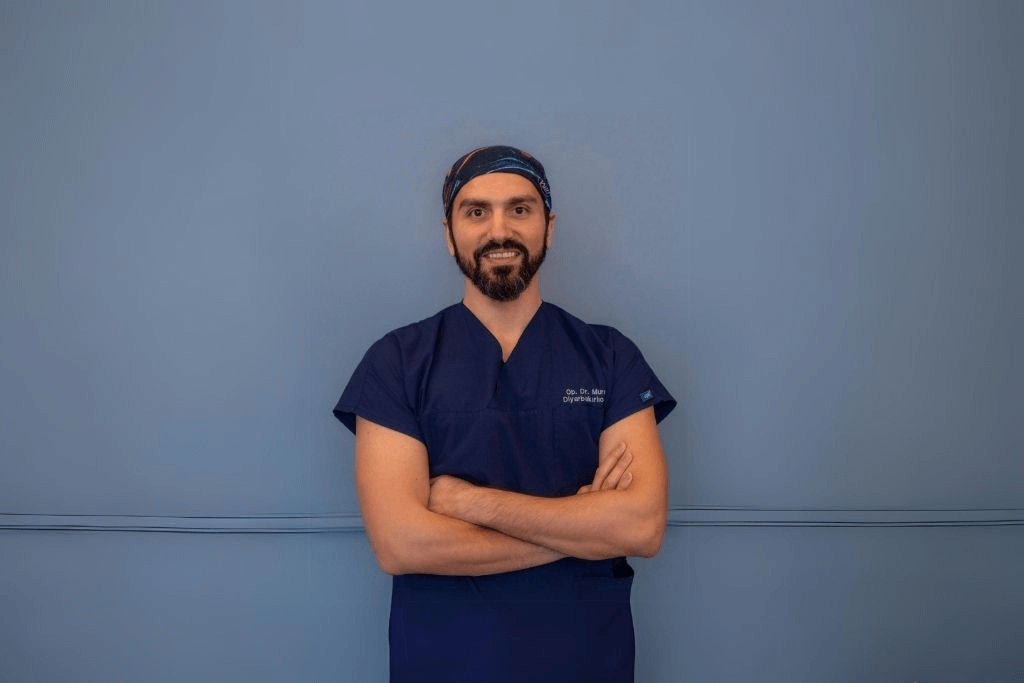
Dr. Murat Diyarbakırlıoğlu evaluates the patient’s anatomy, fat distribution, skin characteristics, and individual goals when planning buttock aesthetic surgery. Whether BBL, liposuction, implants, or another body contouring approach is considered, the appropriate treatment strategy should be determined after an individual medical assessment.







FAQ
At Murat Diyarbakırlıoğlu, we have been providing aesthetic services of high medical standards for over 25 years with the motto "Healthy beauty!".
BBL, or Brazilian Butt Lift, is a cosmetic procedure in which fat tissue harvested from specific areas of the body is processed and injected into the buttocks to create a fuller, more contoured, and proportionate appearance. Treatment planning is individualized based on body proportions and medical evaluation.
BBL may be considered for individuals who have insufficient buttock volume and adequate fat tissue in other areas of the body. Suitability is determined after a physician’s examination, taking into account general health status, fat distribution, and aesthetic expectations.
The BBL procedure involves liposuction to harvest fat followed by fat transfer to the buttocks. The duration typically ranges from two to four hours, depending on the extent of treatment and personalized surgical planning.
After the procedure, swelling, tenderness, and bruising may occur but gradually subside. To ensure optimal fat retention, patients should avoid direct pressure on the buttocks for a recommended period and follow postoperative care instructions closely. Return to daily activities varies depending on individual recovery.
A portion of the transferred fat survives permanently, while the remainder is naturally absorbed by the body. Long-term results depend on weight stability, lifestyle habits, and individual factors. The final appearance develops gradually and is assessed through follow-up appointments.